
Tue Dec 31 05:29:51 UTC 2024: ## Global Political Landscape Shifts in 2024: A Year of Elections and Upheaval
**New Delhi, December 31, 2024** – The year 2024 witnessed a wave of elections across the globe, resulting in a reshaped political landscape. From established leaders securing new terms to surprising upsets and power shifts, the outcomes have significant implications for international relations and domestic policies.
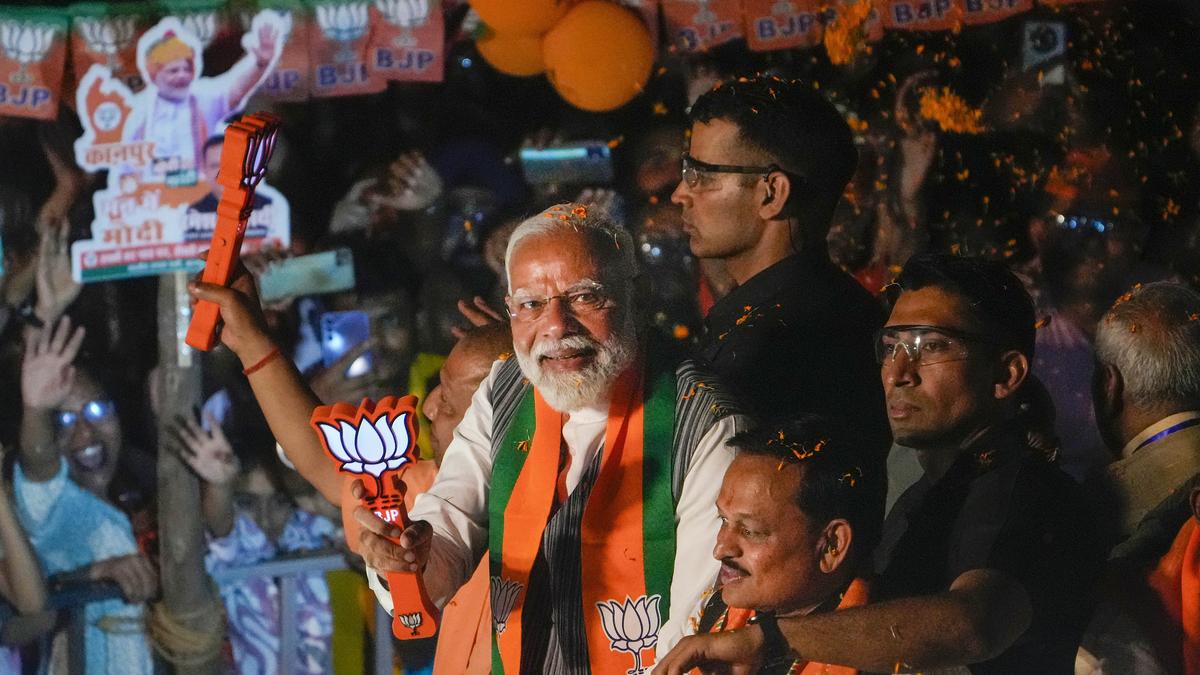
In India, Narendra Modi secured a third term as Prime Minister, although his BJP party lost its parliamentary majority, necessitating reliance on coalition partners. His victory was attributed to nationalist agendas, including the inauguration of the Ram Temple in Ayodhya.
Pakistan saw Shehbaz Sharif return as Prime Minister, leading a coalition government formed by the Pakistan Muslim League-Nawaz and the Pakistan Peoples Party. Asif Ali Zardari was elected President.
A dramatic comeback marked the US elections, with Donald Trump winning a second term despite facing numerous controversies, including a felony conviction and previous refusal to concede defeat.
In a significant shift, Britain’s Labour Party, led by Keir Starmer, achieved a landslide victory, ending 14 years of Conservative rule. Starmer cited Brexit, the COVID-19 pandemic, the war in Ukraine, and the previous government’s policies as reasons for the change.
South Africa saw the African National Congress (ANC) lose its parliamentary majority for the first time since the end of apartheid. However, President Cyril Ramaphosa was re-elected after the ANC formed a coalition government with the Democratic Alliance.
Iran held snap presidential elections following the death of President Ebrahim Raisi, resulting in the election of Masoud Pezeshkian. His victory comes at a time of heightened regional tensions.
France experienced a hung parliament after President Emmanuel Macron called early elections. A reshuffling of the government led to Michel Barnier’s resignation as Prime Minister, replaced by François Bayrou.
Sri Lanka held its first presidential and parliamentary elections since its 2022 economic crisis, with Anura Kumara Dissanayake elected president and his alliance securing a landslide victory.
Bangladesh saw Prime Minister Sheikh Hasina win a fourth term before being forced to flee following anti-government protests sparked by a controversial job quota policy. Nobel laureate Muhammad Yunus subsequently led an interim government.
Mexico elected Claudia Sheinbaum as its first female president, continuing the political trajectory set by her predecessor.
Nicolas Maduro’s victory in Venezuela’s presidential election was met with widespread international dispute and protests. Many countries refused to recognize the results.
Finally, Vladimir Putin secured a fifth term as Russian President, extending his rule to a length unseen since Stalin’s era.
These are just some of the significant electoral events of 2024, illustrating a year of dramatic political shifts and uncertainties across the globe. The long-term consequences of these changes remain to be seen.
 First Piper