
Thu Dec 26 12:40:47 UTC 2024: ## India’s Diplomatic Balancing Act: Navigating Global Challenges in 2024
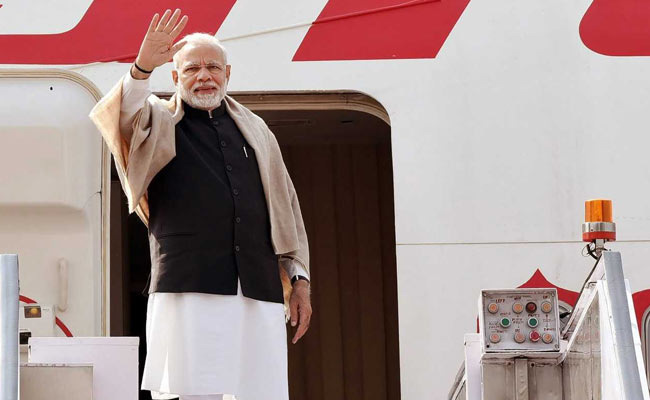
**New Delhi, India** – India’s foreign policy in 2024 demonstrated a complex balancing act, navigating significant challenges and opportunities across the globe. Prime Minister Narendra Modi’s historic visit to Kuwait, the first in 43 years, elevated bilateral ties to a strategic partnership, showcasing India’s strengthened engagement with the Middle East. This success comes amidst regional instability, yet India maintained close relationships with key stakeholders, including Gulf states, Israel, and Iran.
A major diplomatic achievement involved de-escalation of tensions with China. Following the 2020 Galwan Valley clash, India successfully negotiated a border patrolling agreement in October, ending a four-year standoff and facilitating a meeting between Modi and Xi Jinping. While this marks a potential reset, underlying challenges and China’s ambitions remain, particularly considering India’s economic dependence on its neighbor.
The US and Russia emerged as key partners in managing the China relationship. Despite differences, India-US ties strengthened, and the relationship with Russia remained robust, even amidst the Ukraine conflict. India’s neutral stance on the war has yielded dividends as both sides seek an end to hostilities. A potential Trump presidency could further reshape the geopolitical landscape, potentially driving a wedge between China and Russia, creating a more favorable environment for India.
However, instability emerged in India’s neighborhood. Political turmoil in Bangladesh following protests against Sheikh Hasina’s government raised concerns about the future of India-Bangladesh relations, particularly given anti-India sentiments from interim authorities and attacks targeting the Hindu community. Conversely, ties with the Maldives and Sri Lanka remained stable.
Overall, India’s global profile significantly increased in 2024. The country is increasingly seen as a vital partner on the world stage, presenting opportunities for New Delhi to further expand its international influence and leverage its growing global importance. However, managing complex relationships with China, navigating regional instability, and sustaining crucial partnerships will continue to be central challenges for India’s foreign policy in the coming years.
 First Piper