
Tue Dec 24 11:18:18 UTC 2024: ## 3D-Printed Guns: A Growing Threat to Global Security
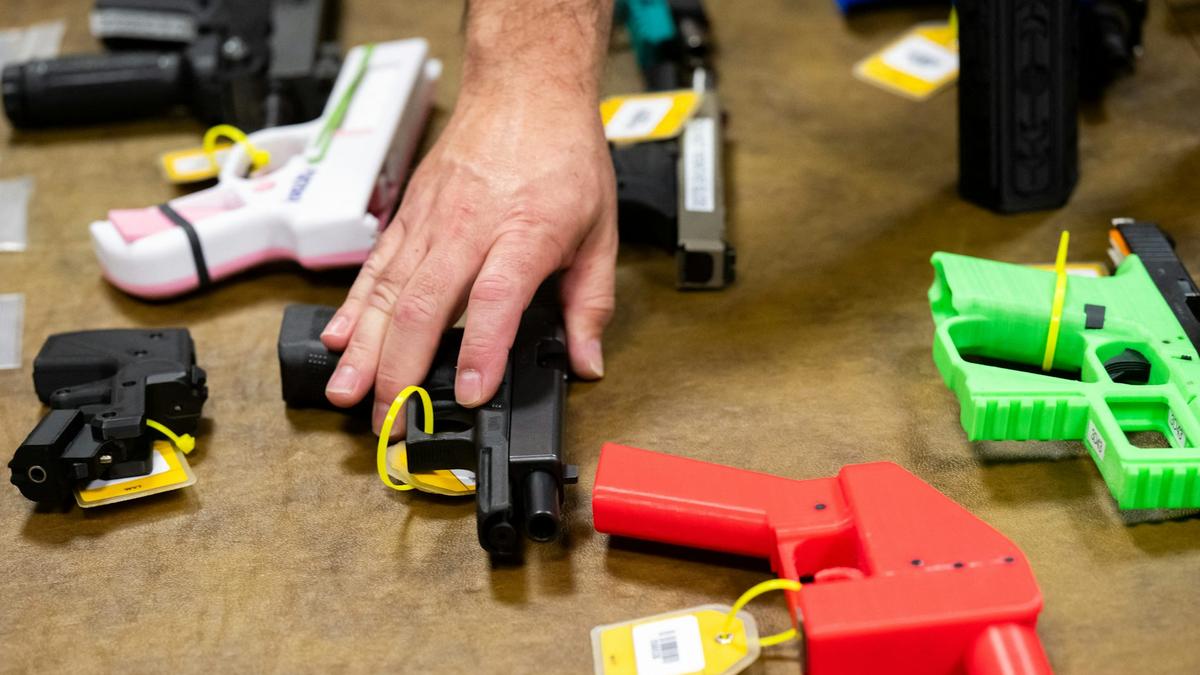
**New Delhi, Dec 24, 2024** – The rise of 3D-printed firearms, often called “ghost guns” due to their untraceable nature, is posing a significant challenge to law enforcement worldwide. A recent analysis reveals a sharp increase in both the seizure of these weapons and arrests related to their use in criminal activities.
The use of 3D-printed guns in violent crimes is escalating, highlighted by the recent shooting of UnitedHealthcare CEO Brian Thompson, where a 3D-printed weapon was allegedly used. Data shows nearly 38,000 suspected ghost guns were seized in the U.S. between 2017 and 2021, with a dramatic surge in 2021 alone. Arrests linked to these weapons are also climbing, with North America leading the way, followed by Europe and Oceania. The U.S. and Canada account for a combined 70% of global arrests related to 3D-printed firearms in 2023.
These weapons are not limited to common criminals. The analysis indicates involvement of various extremist groups, including far-right extremists, ethno-separatists, and jihadists, demonstrating the weapon’s appeal across the ideological spectrum. At least 15% of cases involving 3D-printed firearms between 2013 and mid-2024 were linked to terrorism.
The lack of serial numbers makes these guns difficult to trace, posing a serious challenge for law enforcement. Different countries are adopting varying approaches to regulation, ranging from Japan’s strict prohibition and harsh penalties to the more nuanced legal landscape in the U.S., where the First and Second Amendments create complexities in regulation.
While the U.S. requires licensing for selling 3D-printed firearms, producing them for personal use remains largely legal. Several U.S. states have introduced regulations, including mandatory serial numbers and background checks. The U.S. Supreme Court is currently reviewing federal restrictions on these weapons.
Conversely, Canada recently implemented a near-total ban on ghost guns. Australia and the European Union also have robust regulations in place, with some jurisdictions even criminalizing the possession of digital blueprints for 3D-printed guns. The U.K. recently updated its laws to specifically ban the production and possession of 3D-printed gun parts and is considering a ban on blueprints.
Experts predict that the use of 3D-printed guns in criminal activities will continue to increase, demanding a constant adaptation of regulations and law enforcement strategies to address this evolving threat to global security.
 First Piper