
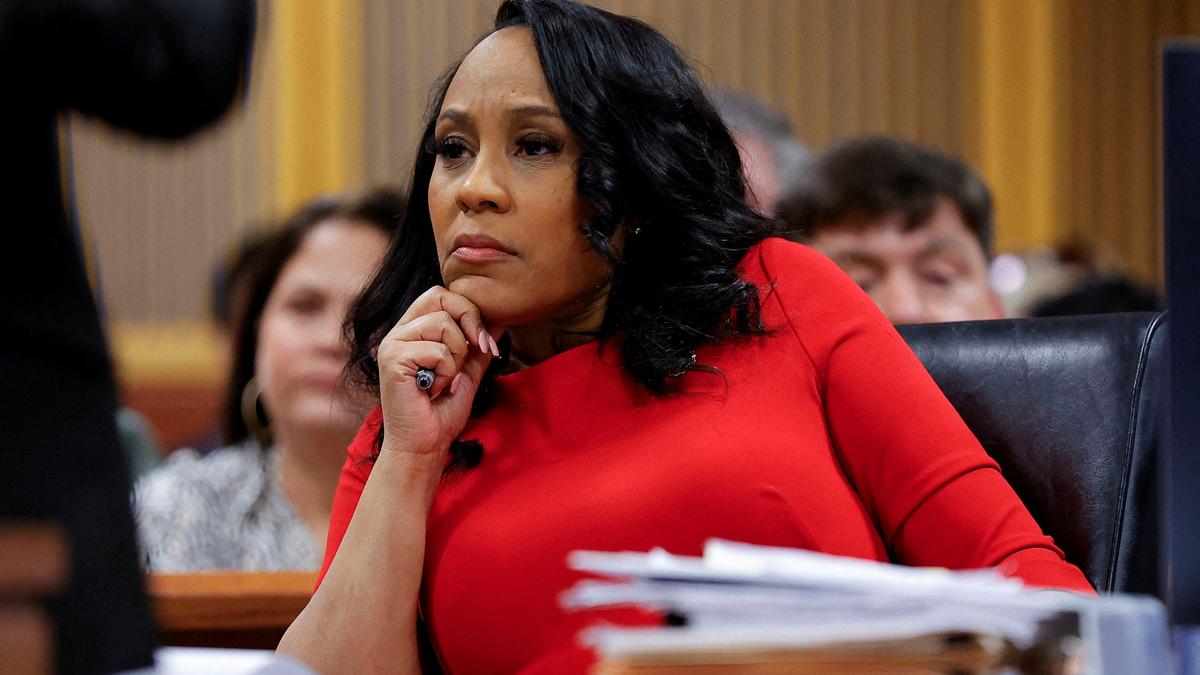
Fri Dec 20 03:30:05 UTC 2024: **Georgia Appeals Court Removes DA Fani Willis from Trump Election Interference Case**
**Atlanta, GA – December 20, 2024** – A Georgia appeals court has removed Fulton County District Attorney Fani Willis from the high-profile election interference case against President-elect Donald Trump and 18 others. The 2-1 ruling cites an “appearance of impropriety” stemming from Willis’s romantic relationship with special prosecutor Nathan Wade, whom she hired to lead the case. While acknowledging that such an appearance might not typically warrant removal, the court determined this case required disqualification to restore public confidence.
The case, which accuses Trump and his associates of attempting to overturn the 2020 election results in Georgia, has been plagued by delays. Willis’s office has already filed a notice of intent to appeal the decision to the Georgia Supreme Court.
This latest legal victory for Trump comes weeks after the Justice Department dropped federal prosecutions against him and as a New York hush-money case remains on hold due to his election win. The ruling leaves the future of the Georgia case uncertain. The Prosecuting Attorneys’ Council of Georgia will now be tasked with appointing a new prosecutor, a process that could be further delayed by the Supreme Court appeal. The new prosecutor could choose to continue, modify, or dismiss the case entirely.
Trump and his legal team celebrated the decision, calling it a victory against a politically motivated prosecution. While Willis and Wade acknowledged their relationship, they maintained it began after Wade’s hiring and ended before the trial began. However, allegations of improper financial benefits related to their relationship fueled concerns about the appearance of impropriety. A lower court judge had previously ruled that no conflict of interest existed but imposed conditions that proved insufficient to address the concerns of the appeals court.
The dissenting judge argued the appeals court overstepped its authority, asserting that the trial court had the discretion to handle the situation and that the majority ruling contradicted legal precedent. The case’s complexities and extensive resources required make it potentially difficult to find a replacement prosecutor.
 First Piper