
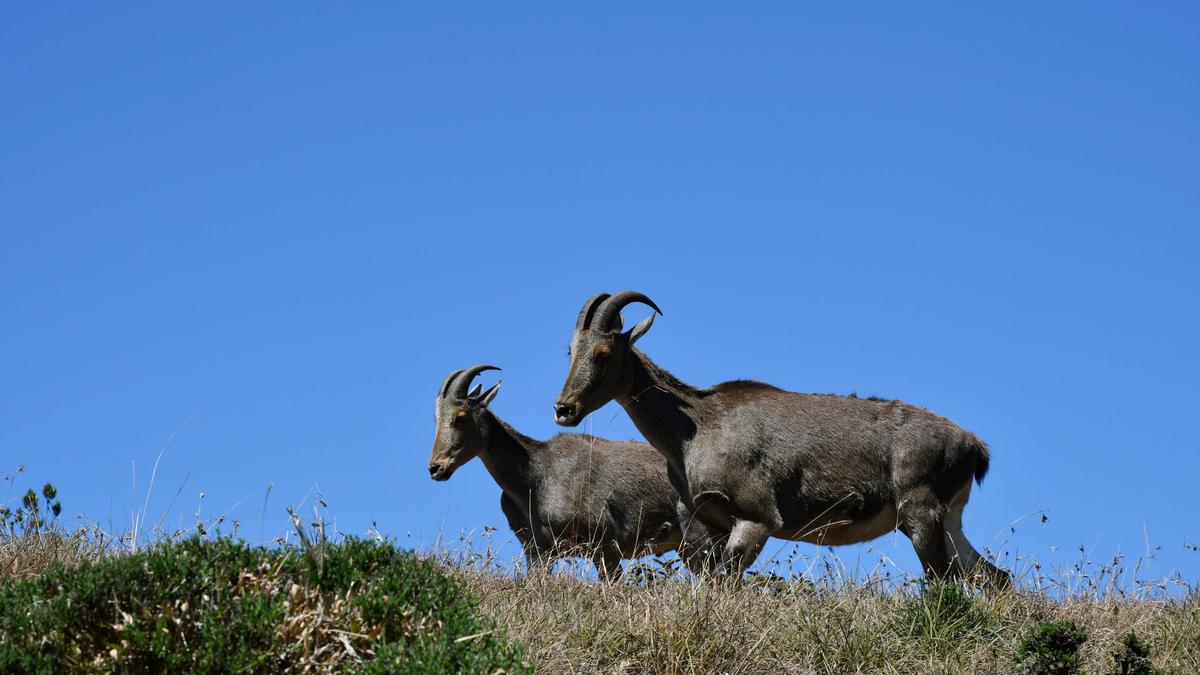
Fri Dec 20 02:03:00 UTC 2024: ## Nilgiri Tahr Conservation: Genetic Diversity Key to Long-Term Survival
**COIMBATORE, INDIA (December 20, 2024)** – While the Nilgiri tahr population has shown signs of recovery in recent decades, experts warn that ensuring genetic diversity is crucial for the species’ long-term survival. Recent studies highlight low genetic variation across Western Ghats populations, increasing their vulnerability to extinction.
Although conservation efforts have boosted numbers from an estimated 2,230 in 1978 to over 3,000 today, most tahr are concentrated in a few large populations, leaving many smaller, isolated groups at risk. These isolated populations are susceptible to genetic drift and inbreeding, further threatening their survival. Climate change is also predicted to reduce tahr habitat by over half by 2070.
While some researchers argue that inbreeding depression isn’t yet evident, others stress the urgent need for habitat contiguity. Connecting disparate populations would allow for interbreeding and increased genetic diversity, bolstering resilience against disease and environmental changes. The single largest population in Eravikulam National Park, with approximately 700 individuals, also exhibits the highest genetic diversity, supporting this argument.
However, increasing connectivity also poses challenges. While it can enhance genetic diversity, it may simultaneously increase the spread of communicable diseases, a concern highlighted by researchers who point to past population losses due to such diseases. The complex topography of the Western Ghats makes habitat modification and connectivity efforts challenging, but ongoing government initiatives are focused on removing invasive species and improving grasslands to facilitate tahr movement. The recolonization of certain habitats in the Nilgiris and Kanniyakumari regions offers a glimmer of hope. Ultimately, experts agree that fostering larger, interconnected populations is vital to securing a future for the Nilgiri tahr.
 First Piper