
Mon Dec 16 04:12:09 UTC 2024: ## South Korean President Yoon Suk Yeol Faces Impeachment Inquiry
**Seoul, South Korea –** Impeached South Korean President Yoon Suk Yeol is facing intense pressure to cooperate with investigations into his controversial declaration of martial law on December 3rd, 2024. The Constitutional Court began its review of the impeachment on Monday, December 16th, 2024, a process that could take up to 180 days but is expected to be quicker, based on precedent.
A joint investigative team, comprising police, an anti-corruption agency, and the Defence Ministry, plans to question Mr. Yoon on Wednesday, December 11th, 2024, regarding whether his actions constituted rebellion. Prosecutors also attempted to summon Mr. Yoon on Sunday, but he refused to comply. His security service has further resisted a police search of his office.
Mr. Yoon’s impeachment, stemming from the unprecedented martial law declaration, was passed by the opposition-controlled National Assembly on Saturday, December 14th, 2024. His presidential powers are suspended pending the Constitutional Court’s decision, which will determine whether he is removed from office or reinstated. Removal would trigger a presidential election within 60 days.
Mr. Yoon defended his actions as necessary to counter what he termed “anti-state forces” within the opposition Democratic Party. His justification has been met with widespread protests in Seoul, demanding his removal and arrest.
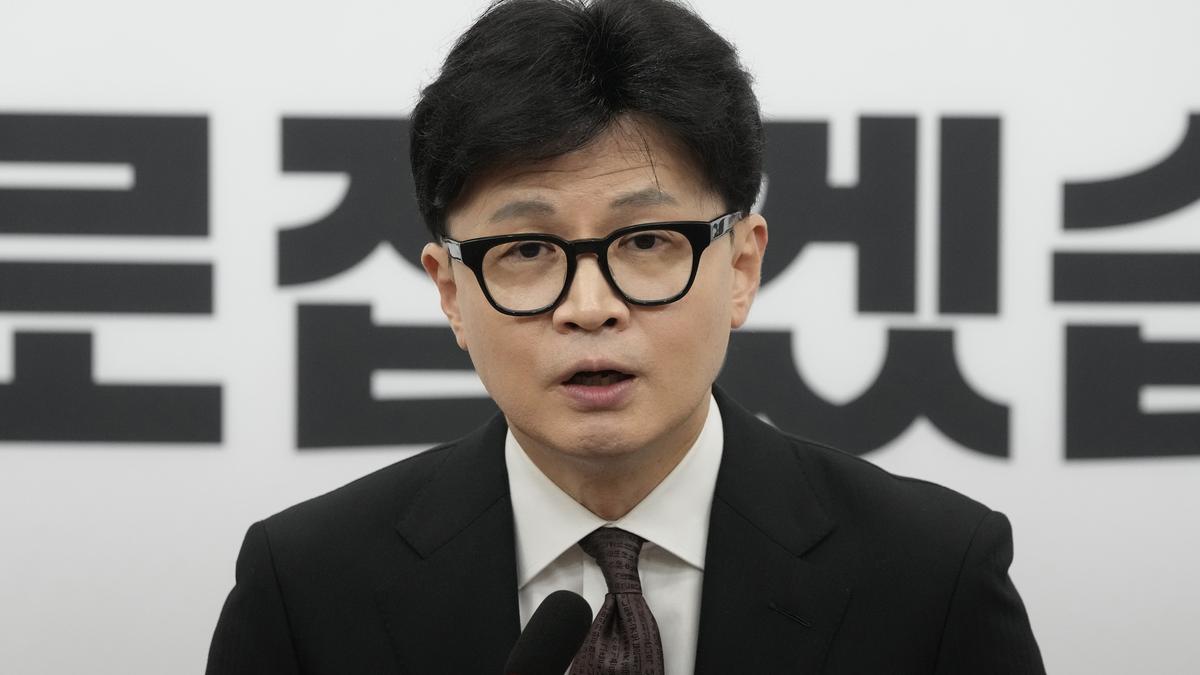
The political fallout is significant. Acting President Han Duck-soo is attempting to reassure allies and markets, while Democratic Party leader Lee Jae-myung, considered a frontrunner to replace Mr. Yoon, has called for a swift court ruling and a special council for policy cooperation. The impeachment has also deeply divided Mr. Yoon’s own People Power Party, leading to the resignation of party chairman Han Dong-hun, a vocal critic of the martial law decree. Mr. Han cited the potential for violence between citizens and soldiers had the martial law remained in effect.
The incident marks a dramatic escalation of political tensions in South Korea, raising concerns about the stability of the government and the economy. The Constitutional Court’s decision will ultimately determine the future of the presidency and the nation’s political landscape.
 First Piper