
Sun Dec 15 09:28:54 UTC 2024: ## UN Drought Talks Fail to Reach Binding Agreement in Riyadh
**Riyadh, Saudi Arabia** – The UN Convention to Combat Desertification (UNCCD) COP16 concluded without a binding agreement on combating drought, despite hopes for a protocol holding governments accountable for drought preparedness and response. While significant progress was made in laying the groundwork for a future global drought regime, the final agreement will be deferred to COP17 in Mongolia in 2026.
The 12-day meeting, which ended a day behind schedule, saw disagreements between developed and developing nations, particularly African countries who advocated for a binding protocol. Developed nations reportedly favored a less stringent framework. Indigenous groups also supported a protocol to improve monitoring and early warning systems.
The lack of a binding agreement is a setback following other unsuccessful international environmental negotiations, including biodiversity talks in Colombia, plastics pollution talks in South Korea, and climate finance discussions in Baku. Experts highlighted the challenges of fractured geopolitical landscapes hindering effective COP processes.
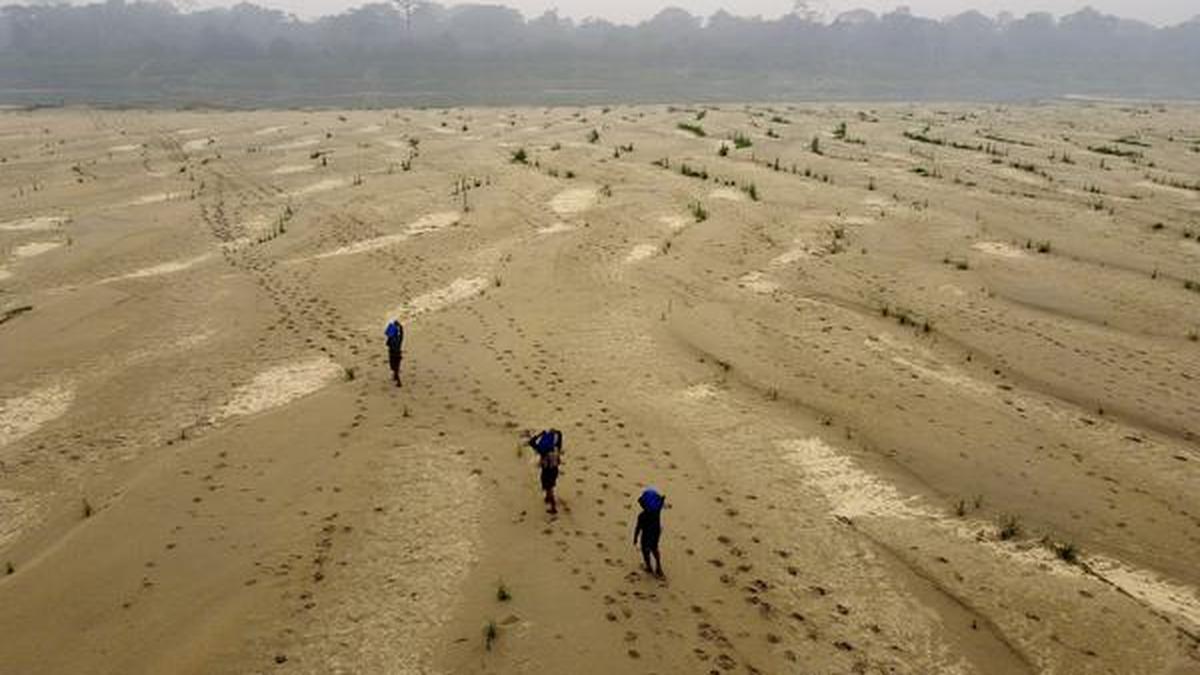
The urgency of the situation is underscored by the UN’s report stating that droughts cost over $300 billion annually and are projected to affect 75% of the world’s population by 2050. Despite the lack of a formal agreement, the UNCCD continues to push for the restoration of 1.5 billion hectares of land by the end of the decade, requiring at least $2.6 trillion in global investment. COP16 did see pledges exceeding $12 billion from various organizations.
While criticized for past actions at climate talks, Saudi Arabia, the host nation, launched initiatives to improve drought resilience, including early warning systems for sand and dust storms and engagement with the private sector in land preservation. Some participants viewed the focus on land and agriculture as less contentious than climate discussions, potentially fostering more unified action. The absence of a binding protocol, however, leaves the onus on individual nations to implement drought mitigation strategies.
 First Piper