
Sun Dec 08 11:37:16 UTC 2024: ## Assad Regime Collapses: Syria Fractures into Three, Reshaping Middle East Power Dynamics
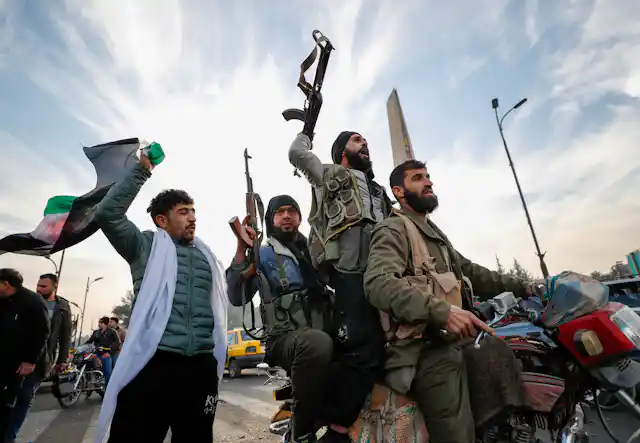
**Damascus, Syria** – In a stunning turn of events, the Assad regime in Syria has collapsed, falling to Sunni opposition forces after more than a decade of civil war. The swift victory, achieved with minimal resistance, has sent shockwaves through the Middle East and sparked a scramble among regional and global powers to assess the implications.
Syria is now effectively divided into three dominant factions:
* **Sunni Opposition Forces:** Backed by Turkey, these groups, ranging from former jihadists to secular militias, control central Syria, stretching from the Turkish to the Jordanian border. Internal divisions amongst these factions raise concerns about their ability to establish a stable, unified government.
* **Kurdish Forces:** Controlling northeastern Syria, Kurdish groups maintain US support, raising tensions with Turkey, which views their empowerment as a threat.
* **Alawite Forces:** Pro-Assad Alawite factions, concentrated in western Syria, retain ties with Iran, Iraq, and Hezbollah, potentially forming a stronghold for resistance to the new order.
This fragmentation presents significant challenges. The lack of a central authority and the deep-seated divisions between these groups suggest a prolonged period of instability and conflict.
The fall of Assad has dramatically shifted regional power dynamics:
* **Turkey:** Turkey’s influence in Syria is set to expand significantly, given its support for the victorious Sunni opposition. This raises concerns about the future of the Kurdish minority.
* **Israel:** The collapse disrupts the “axis of resistance,” weakening Iran’s influence and potentially isolating Hezbollah. Israel’s strategic position has improved, allowing a greater focus on countering Iran.
* **Iran:** Iran, which had heavily relied on Assad, suffers a major blow to its regional power and proxy network. Its influence has been severely weakened.
The situation also poses serious risks to neighboring countries, including increased refugee flows, cross-border violence, and escalating sectarian tensions. Turkey, already hosting millions of Syrian refugees, faces challenges in managing potential return flows. Iraq and Lebanon could see their fragile political and economic situations further destabilized.
While many Syrians celebrate Assad’s fall, the future remains uncertain. The absence of a unified government means sanctions are unlikely to be lifted, potentially prolonging the humanitarian crisis and fueling extremism. The long-term consequences of this seismic shift in the Middle East remain to be seen.
 First Piper