
Sat Nov 30 12:53:22 UTC 2024: ## Women’s Rise as Voters, But Not Leaders, Highlights Indian Election Paradox
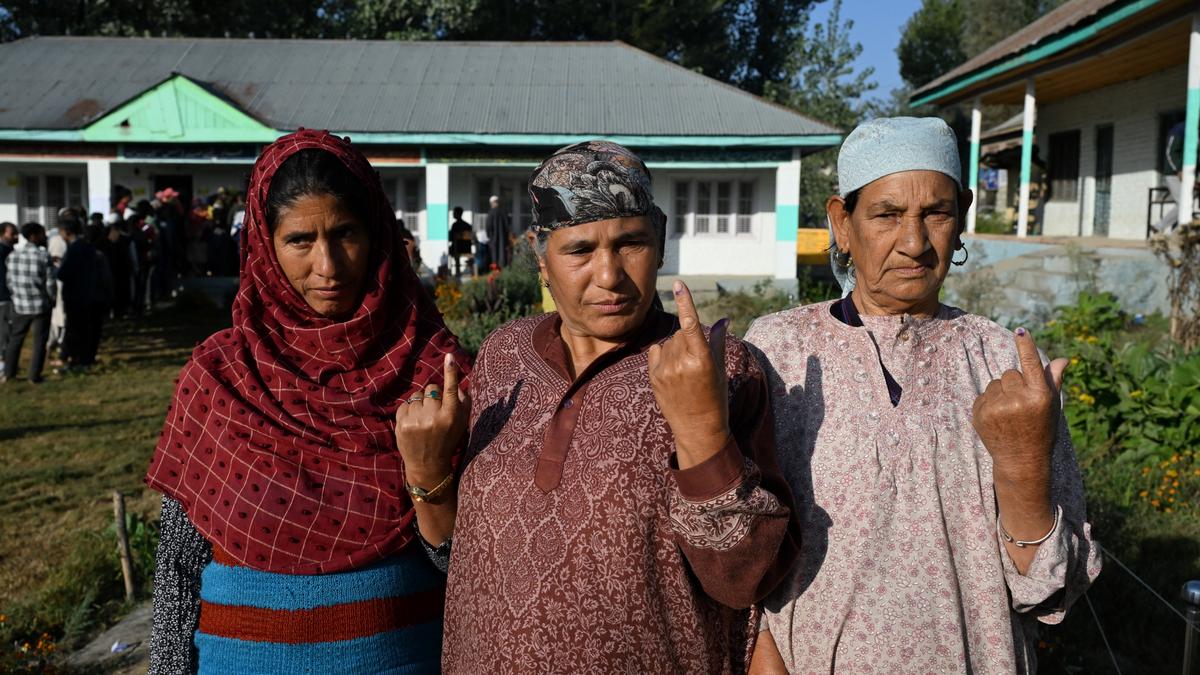
**New Delhi, November 30, 2024** – Recent state assembly elections in India have revealed a significant paradox: while women voters have wielded considerable influence, their representation in legislative bodies remains disappointingly low. The success of direct benefit transfer schemes targeting women, such as Madhya Pradesh’s Ladli Behena and Maharashtra’s Laadki Bahin, has created a powerful voting bloc, but this hasn’t translated into proportional female representation in elected office.
Despite these schemes boosting women’s political influence, the number of women MLAs actually decreased in states like Madhya Pradesh and Maharashtra after the implementation of these programs. This raises concerns about women being primarily beneficiaries rather than active decision-makers.
Political scientist Professor Ashwani Kumar attributes this discrepancy to the economic focus of these schemes, arguing that they don’t inherently guarantee empowerment and representation. However, he expresses optimism regarding the newly enacted Women’s Reservation Act, 2023, which mandates 33% reservation for women in the Lok Sabha and State Assemblies. He anticipates a “Keynesian social multiplier effect” leading to increased women’s representation.
BJP leader Vinay Sahasrabuddhe views these direct benefit transfers not as entitlements, but as empowerment tools, believing they will encourage greater female political participation. He cites a 1995 study showing that while initial female representatives often had political family connections, women subsequently asserted their independent identities and expanded their influence. He advocates for the Women’s Reservation Act to bridge the gap between women as voters and as lawmakers.
However, challenges remain. Capacity building within political parties for women candidates and a commitment from party leadership to grant them tickets are crucial but difficult steps. While reservations are seen as “State-sponsored feminism,” significant hurdles remain before women move from receiving state benefits to becoming active legislators.
 First Piper