
Sun Nov 24 02:47:26 UTC 2024: ## COP29 Climate Deal Reaches Accord, But Leaves Developing Nations Furious
**Baku, Azerbaijan –** A hard-fought climate deal was reached at the COP29 summit in Baku, Azerbaijan, early Sunday, but the agreement has sparked outrage among developing nations. The deal commits developed countries to provide at least $300 billion annually by 2035 to assist developing countries in transitioning to green economies and adapting to worsening climate disasters. This figure, while an increase from the current $100 billion pledge, is significantly lower than the $500 billion or more demanded by many developing nations.
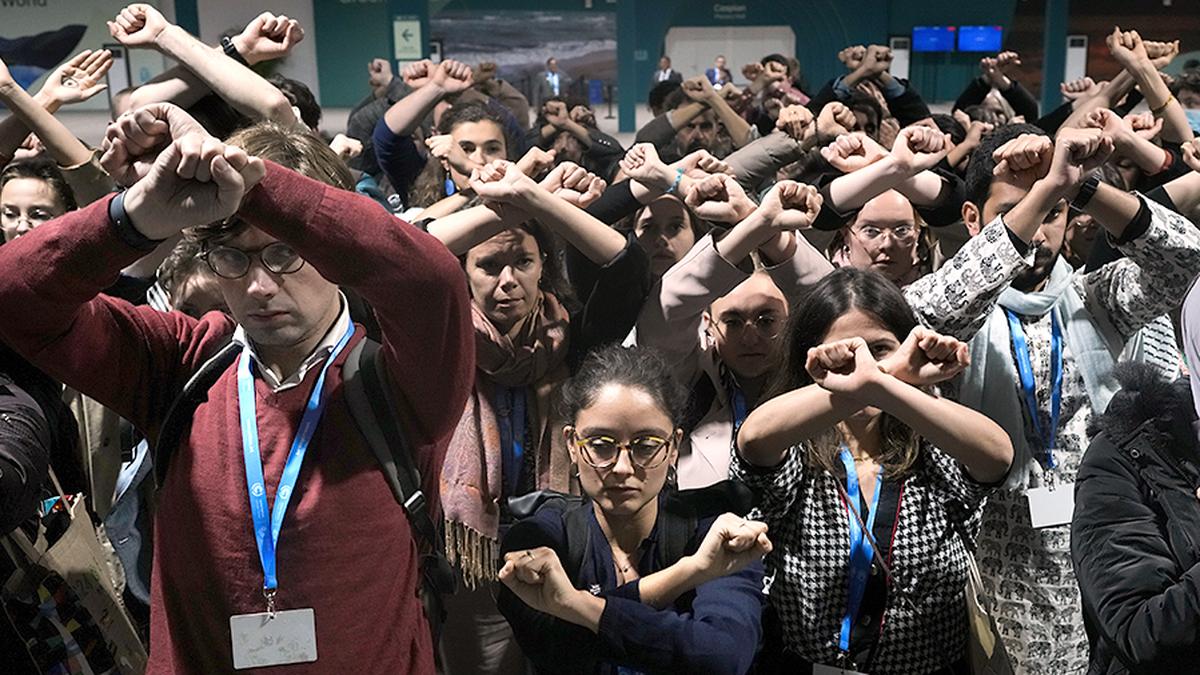
India vehemently rejected the $300 billion figure, calling it “a paltry sum” and “an optical illusion” that fails to address the scale of the climate crisis. Similar sentiments of disappointment were expressed by representatives from Sierra Leone, the Marshall Islands, and various negotiating blocs representing developing nations, including the Alliance of Small Island States, Least Developed Countries, and the African Group. These nations criticized the deal as demonstrating a lack of goodwill from developed countries like the US, Japan, and EU members.
While UN climate chief Simon Stiell acknowledged the deal’s imperfections, and UN Secretary-General Antonio Guterres expressed hope it would serve as a foundation for future progress, many viewed the outcome as a failure. Mohamed Adow, director of Power Shift Africa, called it “a disaster for the developing world” and a betrayal of both people and the planet. Experts had previously estimated that developed nations should be contributing at least $390 billion by 2035 to meet developing countries’ needs (excluding China).
The final agreement encourages, but does not mandate, contributions from emerging economies like China. Developed nations cited political and fiscal constraints, along with the anticipated return of climate change skeptic Donald Trump to the White House, as factors limiting further financial commitments. The deal sets a larger overall target of $1.3 trillion per year, but a significant portion is expected to come from private sources. Despite the strong opposition, the agreement passed after tense negotiations that saw several developing nations threaten to walk away. While some hailed it as a critical last-minute success, the deep dissatisfaction of the most vulnerable nations underscores the ongoing challenges in achieving global climate action.
 First Piper