
Sat Nov 23 19:24:29 UTC 2024: ## UN Climate Talks Approve Controversial Carbon Offset Scheme
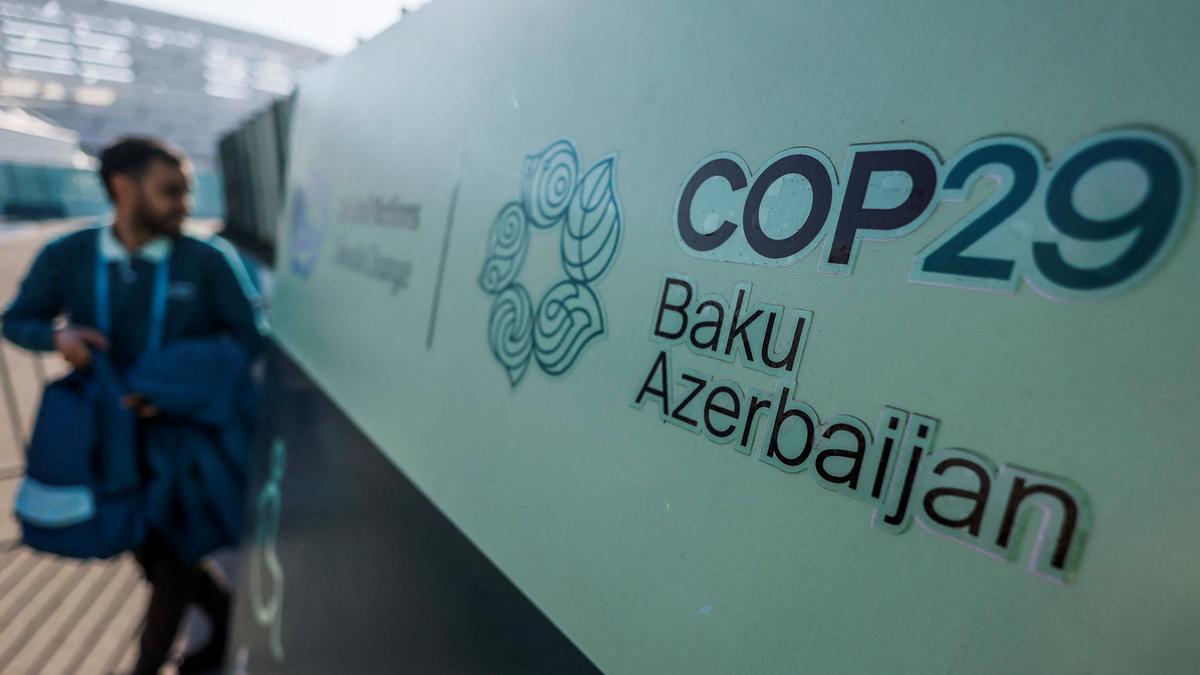
**Baku, Azerbaijan –** A new system allowing wealthy nations to purchase carbon offsets from developing countries was approved at the COP29 climate conference in Baku, Azerbaijan, on November 24th, 2024. While hailed by supporters as a way to direct investment towards emissions reduction in developing nations, the decision has sparked concerns about “greenwashing” – allowing countries to mask insufficient domestic emissions cuts.
The agreement, part of the long-debated Article 6 of the Paris Agreement, establishes both a UN-backed marketplace and a decentralized system of direct country-to-country trades. These trades involve carbon credits generated through activities like reforestation or renewable energy projects. While over 90 deals involving 140 pilot projects have already been agreed upon, critics warn that poorly designed systems could undermine global efforts to combat climate change.
Concerns center on the potential for dubious emissions reductions, allowing countries to meet targets through purchases rather than actual reductions in greenhouse gas emissions. The lack of transparency in some national plans, exemplified by Switzerland’s early trades, further fuels these worries. Experts from organizations like the Climate Action Tracker and NewClimate Institute have cautioned against the incentive for developing nations to underpromise on emissions cuts to maximize credit sales. The flexibility of self-set standards in country-to-country deals is also a major concern, with some researchers labeling Article 6 as the biggest threat to the Paris Agreement.
Despite the concerns, the UN-administered market is expected to launch, with numerous projects already awaiting participation. However, lingering doubts remain about the overall quality of carbon credits, with a history of scandals plaguing the unregulated voluntary carbon markets. Experts stress the need for robust oversight to prevent the new system from repeating past mistakes and creating new issues. The success of this new initiative will hinge on its ability to ensure environmental integrity and prevent wealthy nations from avoiding their responsibility to curb emissions.
 First Piper