
Sat Nov 23 15:30:00 UTC 2024: ## Avian Flu’s Deadly Leap: Milk Transmission Raises Alarm
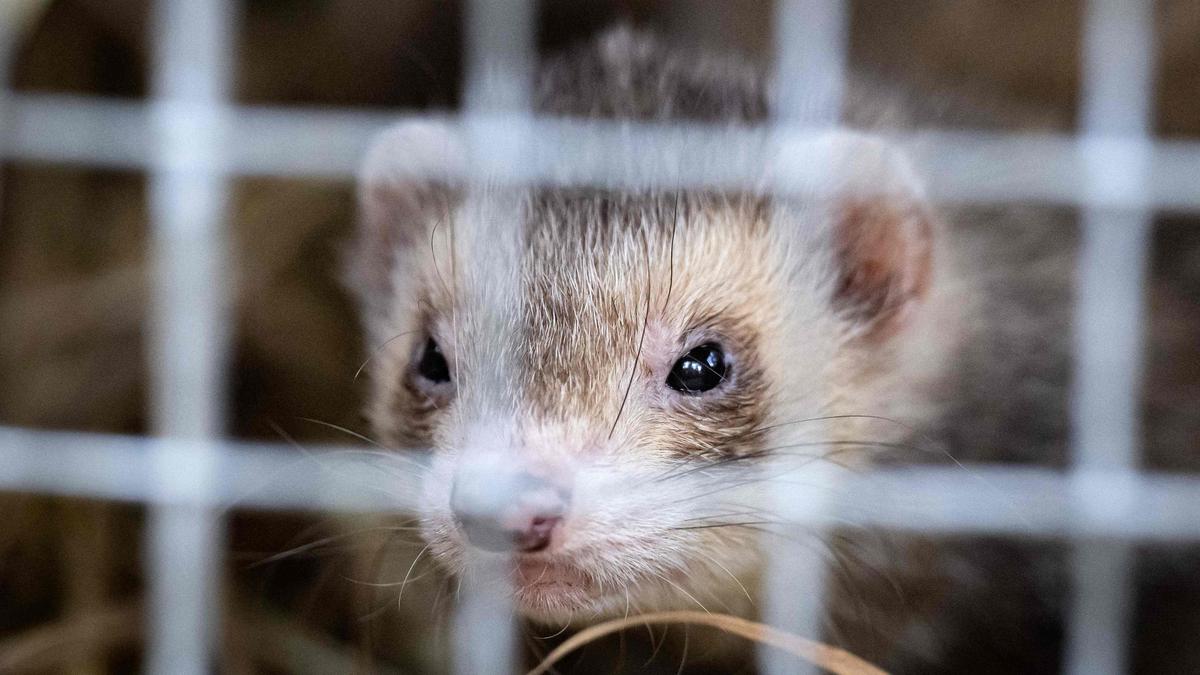
**New Delhi, November 26, 2024** – A concerning new study reveals the potential for the highly pathogenic avian influenza A(H5N1) virus to spread through milk, raising serious public health concerns. The research, currently available as a preprint, indicates that the 2.3.4.4b clade of the H5N1 virus, responsible for significant mortality in seabirds and other mammals worldwide, can infect the mammary glands of lactating ferrets, leading to high viral RNA levels in their milk. This infection resulted in 100% mortality in both the mother ferrets and their pups.
The study, which used ferrets as a model due to the challenges of conducting similar research in cattle, observed a significant increase in viral RNA in the milk of infected ferrets over time. Suckling pups exhibited high viral RNA levels in their oral and nasal cavities, strongly suggesting milk as the transmission route. The virus spread efficiently between ferrets through direct contact but not through airborne droplets.
This discovery comes amidst a growing H5N1 outbreak that has already infected over 58 people in the U.S. and spread to 616 dairy herds across 15 states. The first human case in the U.S. followed the initial detection of the virus in cattle, highlighting the potential for zoonotic transmission. The virus has been found in the mammary glands of infected cows, further fueling concerns about milk as a transmission vector.
While the ferret study is yet to undergo peer review, its findings underscore the urgent need for further research to determine the risk of human infection via milk consumption and the potential for transmission from infected mothers to their offspring. The World Health Organization and agricultural agencies are closely monitoring the situation and investigating potential mitigation strategies. The implications for public health and the dairy industry are significant, prompting calls for increased vigilance and further investigation into the potential transmission pathways.
 First Piper