
Sat Nov 23 19:33:34 UTC 2024: ## PhD Scholars in Tamil Nadu Expose Systemic Corruption and Exploitation in Universities
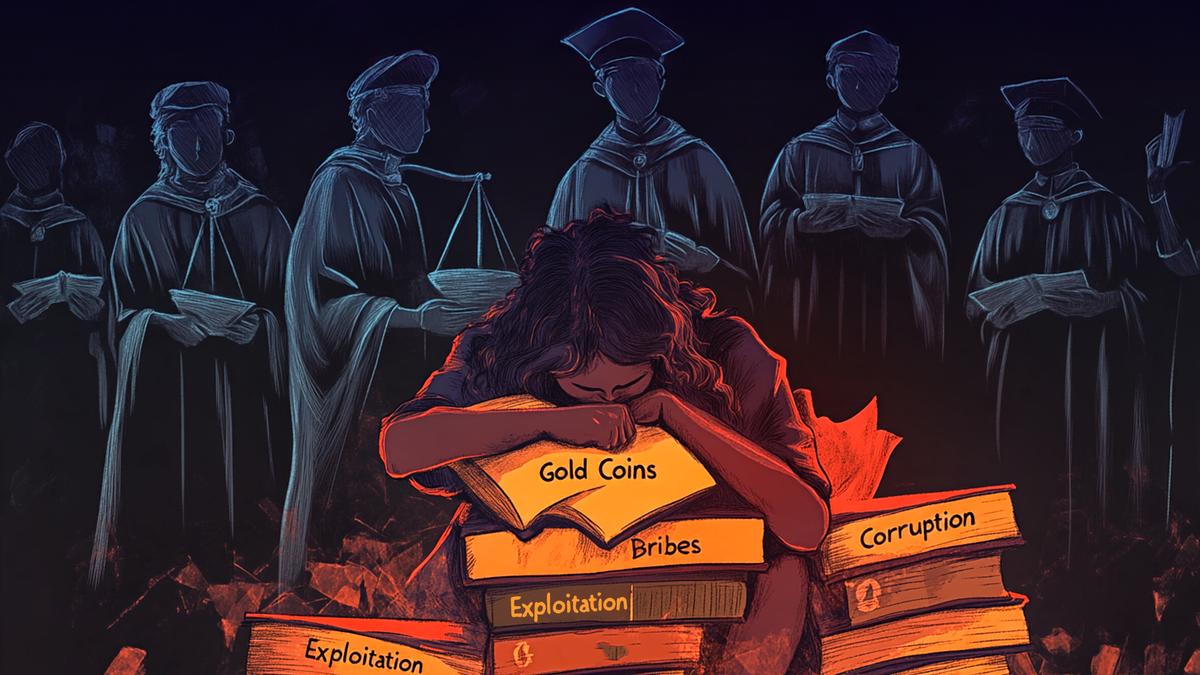
**Chennai, November 24, 2024** – A wave of protests by PhD scholars in Tamil Nadu universities has exposed widespread corruption and exploitation within the state’s higher education system. Recent convocation ceremonies have become platforms for students to publicly denounce the alleged demands for bribes, unethical labor, and harassment by their research guides.
Several scholars, including F. Israel Inbaraj at Bharathidasan University and A. Prakash at Bharathiyar University, presented petitions to the Governor-Chancellor detailing their experiences. Allegations include demands for ₹50,000-₹1 lakh in bribes for viva voce examinations, compulsory provision of gifts and services (including chauffeuring and childcare), and exploitation of students’ time for the guide’s personal research. One scholar recounted being forced to buy their supervisor lunch daily, while others described being treated as “slaves,” editing CVs and creating presentations for their guides’ personal projects.
The Tamil Nadu government has responded to these revelations, directing all university registrars to implement immediate measures to curb the harassment of research scholars. This includes establishing an online grievance reporting system.
The issue extends beyond individual universities, reflecting systemic problems exacerbated by factors like the high number of PhD scholars in Tamil Nadu (the highest in India in 2020-21, according to AISHE data) and the pressure to publish in specific, often costly, journals. The mandatory nature of PhDs for senior teaching positions has further intensified the competitive environment, contributing to the exploitative practices.
The consequences of this systemic abuse are severe. One IIT-Madras scholar, Sachin Kumar Jain, tragically took his own life in November 2023, allegedly due to undue pressure from his supervisor. The resulting investigation led to the suspension of the professor.
Academics interviewed highlight the “feudal” nature of the guide-scholar relationship, with demands ranging from gold coins to substantial sums of money, often demanded not just during the thesis process but even after its completion. The arbitrary nature of journal publication requirements further adds to the financial burden on students. The lack of sufficient remuneration for supervisors is also cited as a contributing factor.
While the Tamil Nadu government’s intervention is a positive step, experts warn that a multifaceted approach is necessary to address the deep-rooted problems within the system. They emphasize the need for systemic reforms that prioritize ethical conduct, fair compensation, and the well-being of research scholars, especially women who face additional vulnerabilities. The issue raises serious concerns about the quality of research and the future of Indian higher education.
 First Piper