
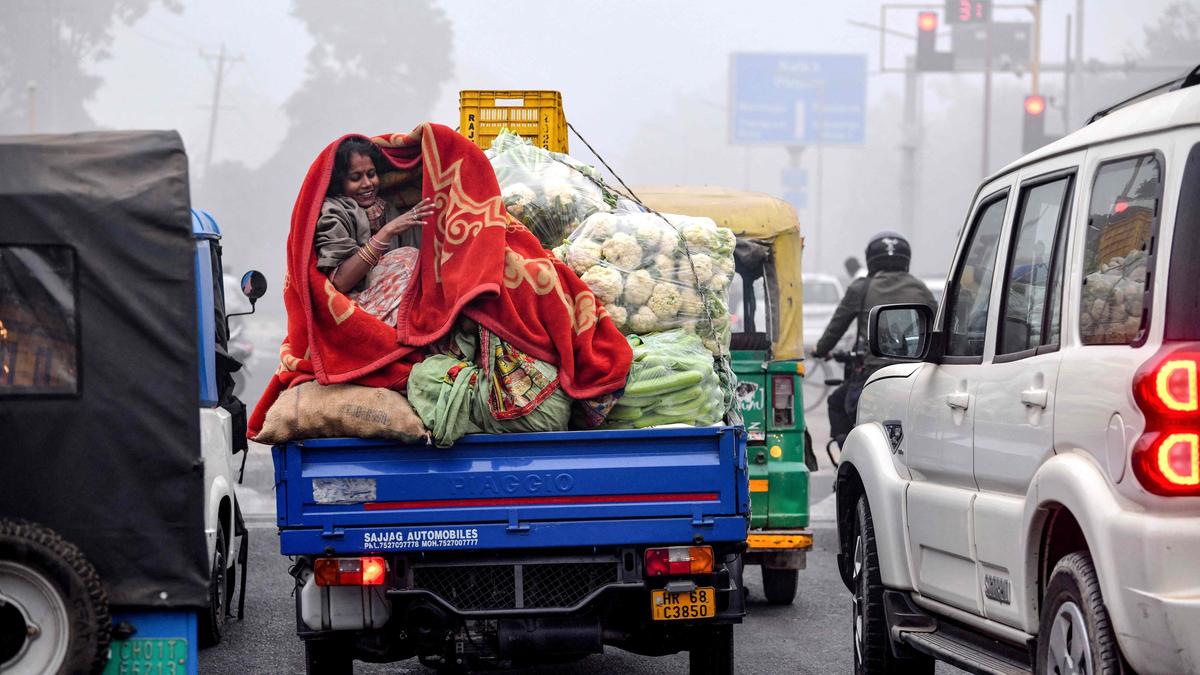
Fri Nov 22 02:19:42 UTC 2024: ## India Faces National Health Emergency Due to Soaring Air Pollution
**New Delhi, November 22, 2024** – A new report reveals a devastating link between India’s escalating air pollution and a national public health crisis. Experts warn that the country’s poor air quality is not just an environmental issue, but the leading cause of premature deaths, claiming nearly 2 million lives in 2021 alone.
Leading thoracic surgeon Dr. Arvind Kumar, who has witnessed firsthand the alarming deterioration of lung health across all age groups, states that the lungs of teenagers now resemble those of lifelong smokers. This alarming trend is supported by recent UN Environment Programme (UNEP) reports showing a more than 6% increase in emissions in India over the past year.
The impact extends beyond respiratory illnesses. Dr. Pallavi Pant of the Health Effects Institute highlights the devastating effects on pregnant women, children, the elderly, and those with pre-existing conditions, leading to increased respiratory infections, impaired lung function, and cardiovascular problems. Dr. Soumya Swaminathan, former WHO chief scientist, adds that long-term exposure links pollution to non-communicable diseases like hypertension, diabetes, and stroke.
While the National Clean Air Programme (NCAP) aims to reduce particulate matter pollution, experts express concerns over its effectiveness. Critics cite inadequate implementation, insufficiently targeted emission reduction strategies, and a lack of focus on transitioning away from fossil fuels as major shortcomings. They advocate for a regionalized approach, stricter enforcement, and health-centric policies. Dr. Swaminathan also suggests the creation of a unified regulatory body similar to the US EPA.
The economic burden is substantial, with increased healthcare costs and reduced productivity due to lost work and school days. Low-income communities, often located near pollution sources, bear the brunt of this crisis, mirroring the inequalities seen in the impact of climate change.
Initiatives like Dr. Kumar’s “My Solution to Pollution” campaign encourage community action to mitigate local pollution. However, experts emphasize the need for systemic change, including a significant shift towards renewable energy and reduced dependence on fossil fuels. Addressing household pollution in rural areas, where biomass fuels are prevalent, is also crucial.
The UNEP reports underscore the need for systemic changes in transportation, energy, and health sectors. Experts agree that a national clean air strategy must prioritize public health, climate mitigation, and community engagement. The urgency is clear: India’s choices today will directly impact the health of future generations.
 First Piper