
Tue Nov 19 20:21:34 UTC 2024: **Odisha Faces Mass Migration Crisis Fueled by Climate Change and Poverty**
**Bhubaneswar, Odisha – November 20, 2024** – An estimated 1.75 million people migrated from Odisha to other Indian states in 2023, driven primarily by poverty and the devastating impacts of climate change, according to a new report. The exodus, largely composed of vulnerable populations including women, children, the elderly, and those from backward castes, highlights a growing crisis exacerbated by recurrent heatwaves and cyclones.
A recent study by the Indian Institute of Technology (IIT) Hyderabad and the International Institute of Migration and Development (IIMAD) Kerala, funded by the International Rice Research Institute (IRRI), reveals that over 30% of Odia households rely on agriculture for income. The study, based on a sample of 15,000 households, found that 86% of interstate migrants relocated to urban areas seeking better employment opportunities. A concerning 40% of these migrants owned less than one acre of land, and nearly half came from families below the poverty line.
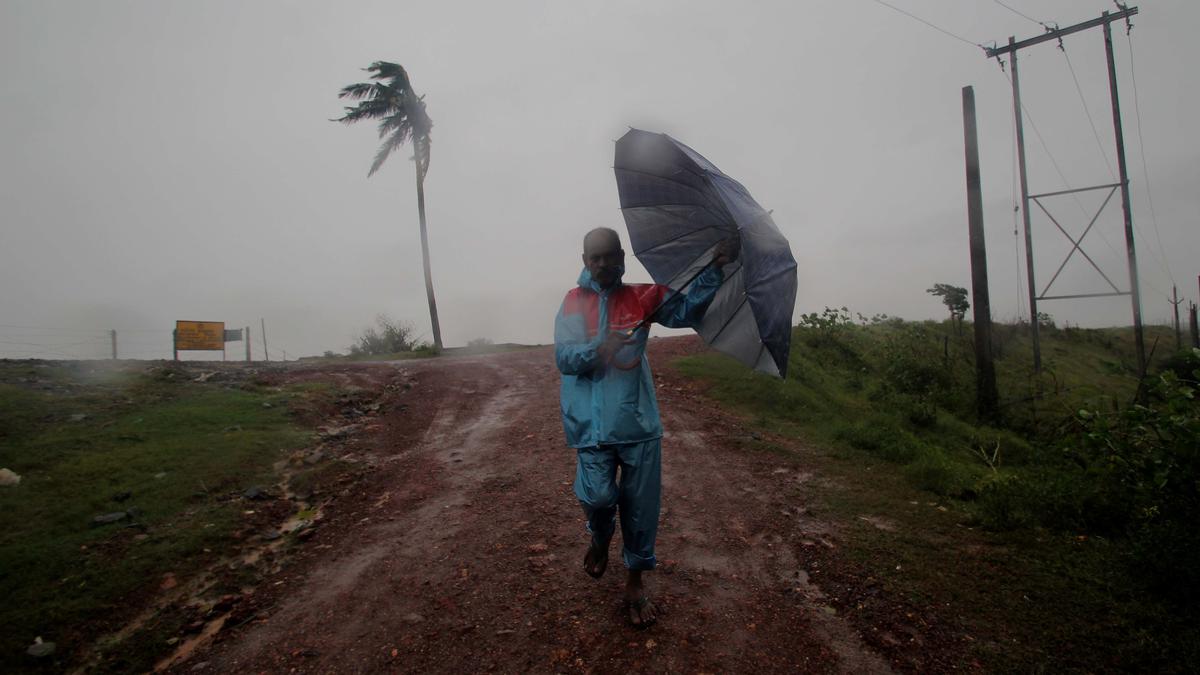
The recurrent nature of heatwaves in Ganjam and cyclones in Kendrapada, as noted in ongoing research supported by the FAO and IOM, severely impacts agricultural productivity and livelihoods, forcing many into migration. While the Odisha government has established a special task force to address distress migration and implemented initiatives like the Spice, Mushroom, and Millet Missions, the economic losses from extreme weather remain significant. The study also revealed a worrying trend: return migrants often fail to achieve lasting economic improvement, questioning the efficacy of migration as a solution.
The Odisha government is bolstering its disaster response mechanisms, including enhancing its network and implementing the Incident Response System. However, a major challenge lies in the lack of robust data on regional migration disparities. The Odisha Migration Survey 2023 offers crucial insights to address this gap, informing targeted interventions and policies to alleviate the crisis. The ongoing situation underscores the urgent need for comprehensive strategies to build resilience and manage migration effectively in the face of climate change.
 First Piper