
Mon Nov 18 16:43:17 UTC 2024: ## India Unveils Ambitious Maritime Vision, Launches Key Trade Corridors
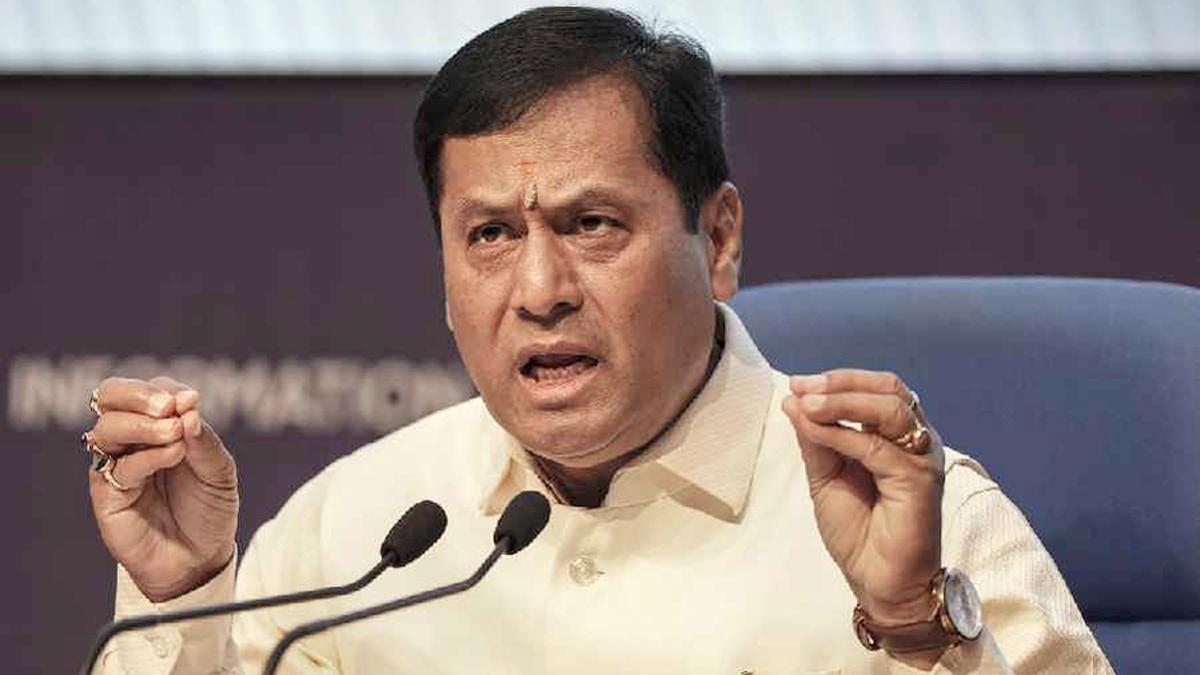
**New Delhi, November 18, 2024** – India has launched a bold “Maritime Vision 2047,” aiming to become the world’s leading maritime nation across all sectors, Ports, Shipping and Waterways Minister Sarbananda Sonowal announced today. This ambitious plan, backed by an ₹80 lakh crore investment, will focus on enhancing port capacity, shipping, shipbuilding, and inland waterways.
Key initiatives include the operationalization of the Chennai-Vladivostok Eastern Maritime Corridor, already transporting oil, food, and machinery between India and Far East Russia, reducing transit times by up to 16 days. The corridor utilizes existing ports in the Bay of Bengal, including Paradip and Vizag.
Furthermore, India and Greece will collaborate on the India-Middle East-Europe Economic Corridor (IMEEC), a 4,800 km route connecting India to Europe via the Middle East, incorporating both sea and rail links. This collaboration comes despite concerns regarding the volatile geopolitical situation in West Asia.
By 2047, India aims to achieve a port handling capacity of 10,000 million metric tonnes per annum. Major projects underway include the Vizhinjam international seaport, new mega ports at Vadhavan and Galathea Bay, and the national maritime heritage complex at Lothal. The government also plans to promote clean fuel shipbuilding, utilizing ammonia, hydrogen, and electricity.
Minister Sonowal highlighted significant improvements in Indian port turnaround times, citing a reduction from over 40 hours a decade ago to 22 hours, surpassing even advanced nations like the US and Singapore. He also emphasized the role of new and updated legislation in boosting growth within the maritime sector.
The announcement was made at the inaugural “Sagarmanthan: The Great Oceans Dialogue” summit, attended by over 1,700 participants from 60 countries. Greek Minister of Maritime Affairs and Insular Policy, Christos Stylianides, stressed the importance of sustainable maritime transport, encompassing environmental, social, and economic considerations.
 First Piper