
Fri Nov 15 08:26:13 UTC 2024: ## Navy Ignored Warnings, Blamed for Pearl Harbor Fuel Leak Poisoning Thousands
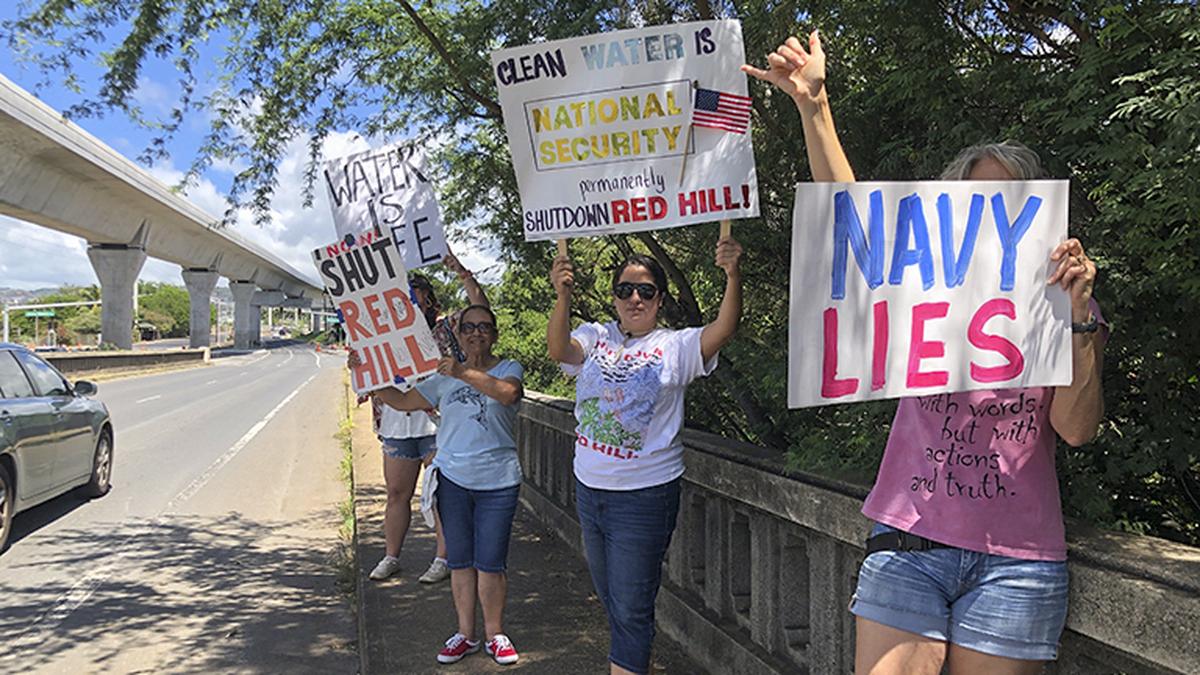
**Honolulu, Hawaii** – A scathing report released Thursday by the U.S. Department of Defense (DoD) Inspector General has revealed that Navy officials disregarded multiple warnings and failed to adequately assess the risks associated with storing massive fuel tanks above a drinking water well at Pearl Harbor. This negligence led to a catastrophic fuel leak in 2021 that poisoned over 6,000 people.
The report, stemming from a years-long investigation, details a series of failures by the Navy, including ignoring engineering drawings and environmental studies highlighting the risks. The DoD Inspector General, Robert P. Storch, stated, “The Navy must take action to ensure that tragedies like the one in November 2021 are not allowed to repeat.”
The Red Hill Bulk Fuel Storage Facility, built in the 1940s, housed 20 massive tanks, each capable of holding millions of gallons of jet fuel. Despite previous fuel leaks in 2014, and warnings from environmental groups, the Navy refused to relocate the tanks, claiming the island’s water was safe.
The 2021 spill, which originated from a ruptured pipe, released thousands of gallons of fuel into a drinking water well that supplied water to Joint Base Pearl Harbor-Hickam and over 90,000 residents. The leak forced thousands of families to evacuate their homes for months due to contaminated water, leading to the expenditure of millions of dollars in housing and cleanup efforts.
The report further revealed that the Navy failed to report the missing fuel after the initial leak, missed multiple opportunities to activate emergency response plans, and issued press releases claiming the water was safe despite lacking lab confirmation.
The Inspector General has recommended that the Navy reassess leak detection systems at other fuel facilities and take steps to prevent such incidents from occurring again. The Navy is now working to close the Red Hill facility in compliance with an order from Hawaii regulators. This incident underscores the importance of responsible environmental management and the potential consequences of ignoring safety warnings.
 First Piper