
Mon Nov 11 18:41:10 UTC 2024: ## Gulf States May Soon Replace Migrant Workers with Locals, Study Warns
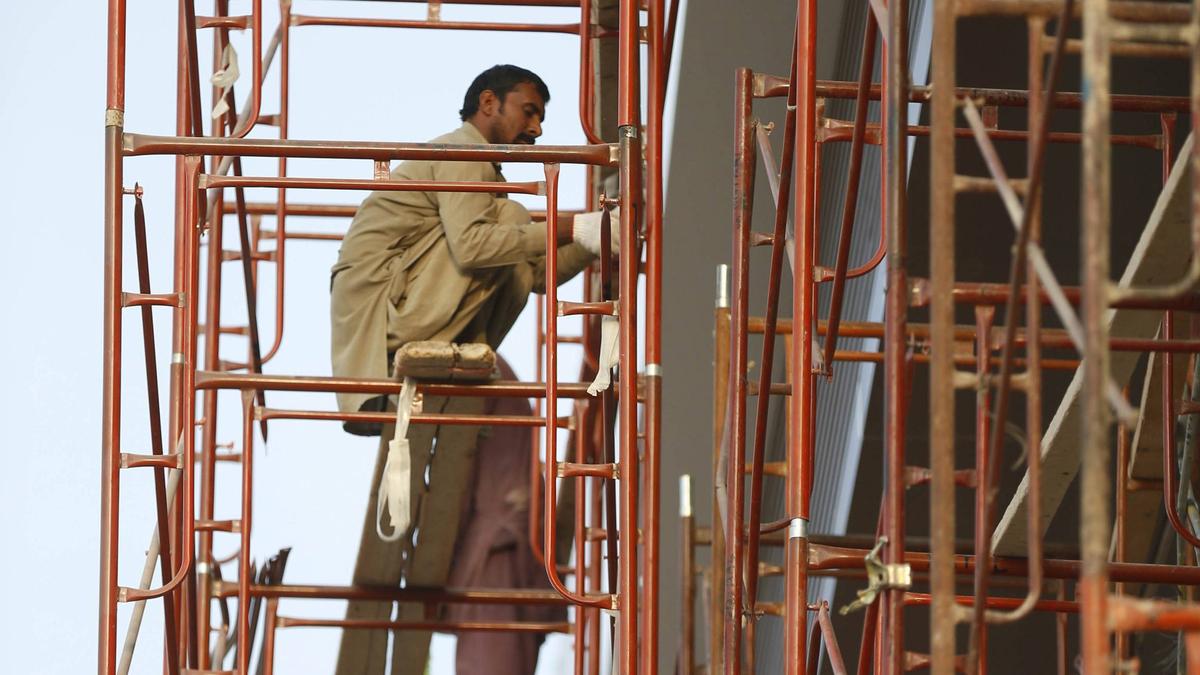
**New Delhi, November 12, 2024:** A new study has warned that Indian workers in Gulf countries like Kuwait and Saudi Arabia may face increasing job losses in the coming years. The research, published in the international journal “Structural Change and Economic Dynamics”, suggests that while currently middle-skilled jobs are being replaced by locals, high-skilled positions may also be impacted as the local workforce becomes more skilled.
According to the study, authored by Dr. Abdul A. Erumban and Abbas Al-Mejren, the reliance on expatriate labor, particularly for low-skilled jobs, will likely persist unless significant automation measures are implemented. However, the researchers emphasize that even these roles could eventually be replaced by technology.
Dr. Erumban, speaking to The Hindu, highlighted the potential long-term risk for countries like India, which send a significant number of workers to the GCC region. He advised that India should diversify employment opportunities abroad and strengthen domestic job creation to mitigate the potential impact.
The study also found that while migrant workers currently earn significantly lower wages than local workers in the GCC, this wage gap is mainly due to policy distortions rather than market forces. Migrant workers often exhibit higher productivity than locals, but lower wages contribute to a considerable unit labor cost difference, making it challenging for firms to replace them.
While the study acknowledges the difficulty of executing ambitious infrastructure and construction projects without migrant workers, it emphasizes the need for further research to assess the substitutability of migrant workers across various skill levels.
The study’s findings raise concerns about the future of Indian workers in the GCC region and underscore the need for India to proactively address potential shifts in labor demand and prepare its workforce for future challenges.
 First Piper