
Tue Nov 12 00:30:00 UTC 2024: ## German Government Collapses Amid Economic Crisis, Leaving Country in Political Limbo
**BERLIN -** In a dramatic turn of events, Germany’s ruling coalition government has collapsed, leaving the country facing a challenging economic outlook and a looming political crisis. The collapse comes just days after the US elected Donald Trump as its 47th President, highlighting the global uncertainty and instability facing major world powers.
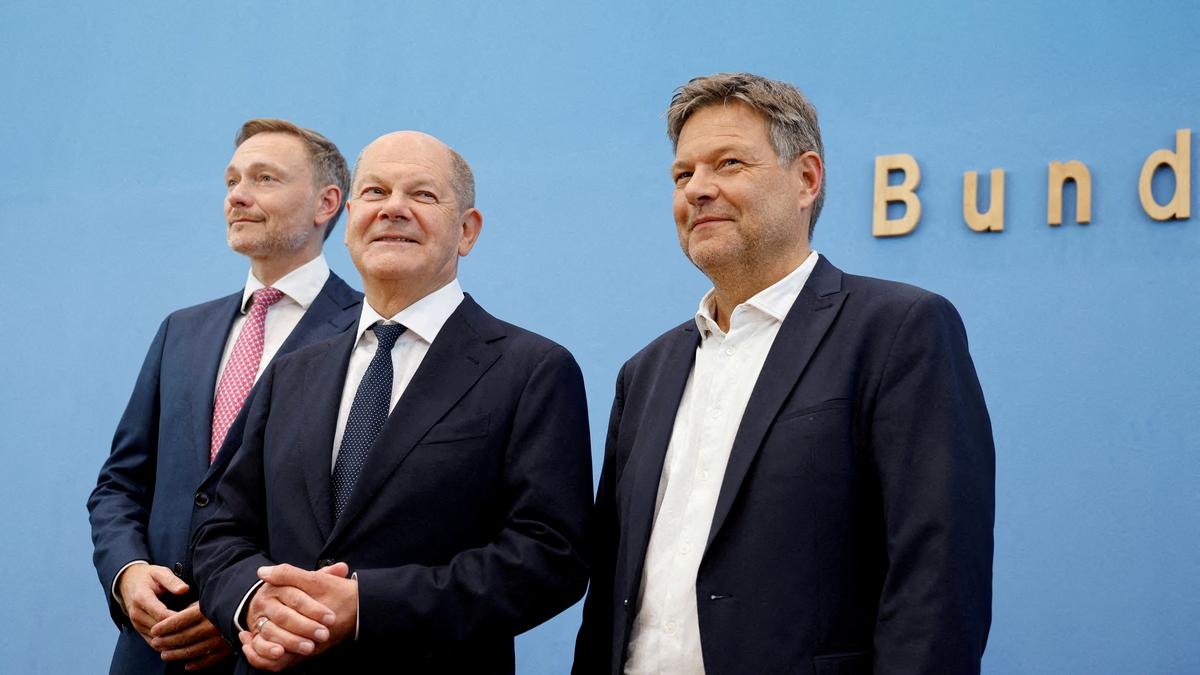
Chancellor Olaf Scholz dismissed Finance Minister Christian Lindner on November 6th, citing budget disagreements that have plagued the three-party coalition since last November. The Social Democrats (SPD) and Greens advocate for increased spending and debt, while the Free Democrats (FDP) insist on tax hikes and spending cuts.
The collapse comes at a critical juncture for Germany, as the country grapples with economic stagnation. The German economy is expected to shrink by 0.2% this year, marking a second consecutive year of contraction and making Germany the only G-7 country to experience economic decline.
Despite some positive signs in the third quarter of 2024, the German government predicts a return to growth in 2025, relying on a 49-point growth package aimed at revitalizing the economy. However, with Lindner’s dismissal, the implementation of these measures remains uncertain.
The economic challenges are multifaceted, with structural issues, including chronic underinvestment in public infrastructure, aging demographics, and dependence on traditional industries, playing a significant role. The war in Ukraine, which led to soaring energy prices, further exacerbated the situation.
The German auto industry, a major economic driver, is particularly vulnerable, facing increasing competition from Chinese electric car manufacturers. Volkswagen, a major auto giant, is considering plant closures in Germany and has requested pay cuts from its employees.
Experts believe that the energy-intensive sectors will shift production to regions with lower energy costs, leaving Germany to confront new industry structures. The services sector, the only bright spot in the current economy, faces challenges related to rising labor costs and a shortage of skilled workers.
The recent dismissal of the Finance Minister adds to the existing political turmoil in Germany. Chancellor Scholz is facing a vote of confidence in January, which could lead to early elections if he fails to secure a majority.
The political and economic turmoil facing Germany raises concerns about the country’s future stability and its ability to effectively navigate the challenges of a changing global landscape.
 First Piper