
Tue Nov 12 09:26:57 UTC 2024: ## Tiny Tweaks, Big Changes: New Studies Reveal Secrets of Bird Color Evolution
**New Delhi, India – November 12, 2024:** Two groundbreaking studies have shed light on the fascinating evolutionary mechanisms behind the vibrant colors of birds. Scientists discovered that subtle genetic changes, often involving just a single oxygen atom, can dramatically alter the pigment structure, leading to striking variations in plumage and beak colors.
The studies, published in *Current Biology* and *Science*, focused on parrots and finches. While both groups utilize pigments called carotenoids for color, they produce these pigments in vastly different ways. Parrots have evolved a unique way to synthesize the pigments, while finches rely on acquiring carotenoids through their diet.
One study, led by Dr. Daniel Hooper, focused on the long-tailed finch, a species found in northern Australia. They identified two key genes, CYP2J19 and TTC39B, which play a crucial role in converting yellow carotenoids to red. Mutations in these genes can effectively “switch off” red production, resulting in yellow beaks.
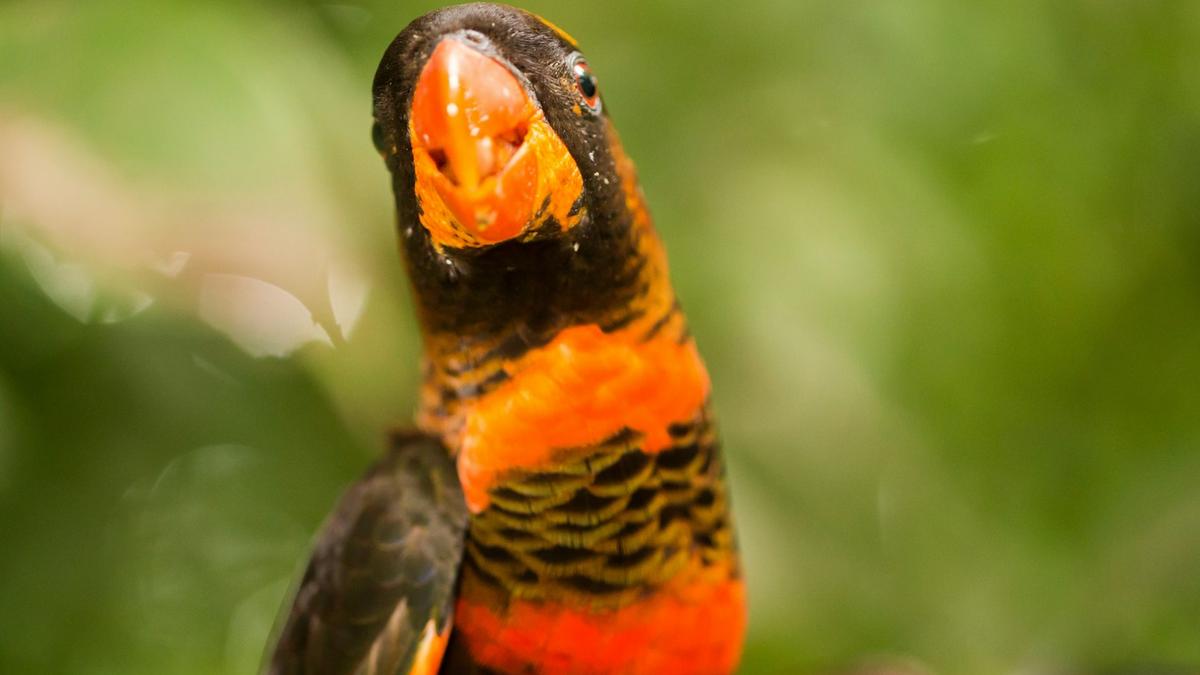
Meanwhile, the research team led by biologist Roberto Abore investigated the dusky lory, a parrot species native to New Guinea. Their findings revealed that an enzyme called ALDH3A2 acts as a “color switch.” The presence of this enzyme leads to the conversion of red pigments to yellow, explaining the yellow and red banding in the dusky lory’s feathers.
Remarkably, both studies show that these color-altering mutations don’t completely change the function of the involved enzymes but rather affect their activity in specific locations. This is akin to adjusting a dimmer switch, influencing the color output without removing the entire light fixture.
The researchers emphasized that these studies highlight the remarkable adaptability of nature. These subtle genetic changes, driven by natural selection, can lead to the evolution of new species. By understanding these mechanisms, scientists can gain valuable insights into how evolution shapes biodiversity and how we can better protect it for future generations.
 First Piper