
Mon Nov 11 18:11:49 UTC 2024: ## Cow Enzyme Holds Key to Breaking Down Deadly Bacteria’s Protective Barrier
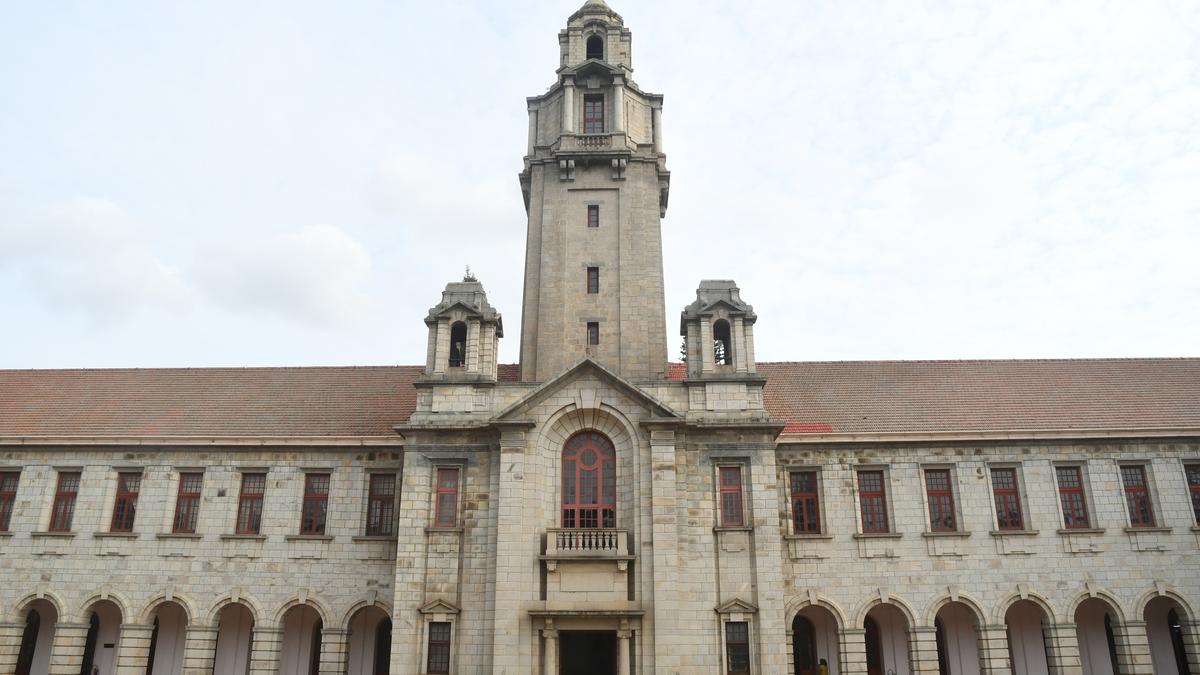
**Bengaluru, India -** Scientists at the Indian Institute of Science (IISc) have discovered a groundbreaking method for combating drug-resistant bacteria by breaking down their protective barriers. The team, led by Assistant Professor Debasis Das, has identified a specific enzyme from the cow’s digestive system that effectively disrupts the biofilms formed by the dangerous bacterium *Klebsiella pneumoniae*.
*K. pneumoniae*, a common cause of hospital-acquired infections like pneumonia, urinary tract infections, and meningitis, poses a serious threat due to its ability to develop resistance to antibiotics. This resistance stems from the bacterium’s production of a tough biofilm, a matrix-like layer made of sugars, fats, proteins, and DNA. The biofilm acts as a protective shield, blocking the entry of drugs.
The IISc team recognized the need for a biocompatible method to break down this barrier. Their research focused on the bovine gut, known to contain enzymes capable of digesting complex polysaccharides found in plant food. One particular enzyme, a glycoside hydrolase named GH-B2, found in the rumen (the cow’s largest stomach compartment), stood out. The team successfully synthesized this enzyme in the lab.
Tests conducted on four distinct strains of *K. pneumoniae* revealed that GH-B2 effectively disrupted the biofilms in all strains, demonstrating its broad-spectrum activity. This finding is significant because the different *K. pneumoniae* strains vary in their serotypes, making them difficult to target with conventional treatments.
This innovative research paves the way for developing new, targeted therapies against drug-resistant bacteria. The discovery of GH-B2 as a potent biofilm disruptor holds immense potential for improving patient outcomes and combating antibiotic resistance, a growing global health concern.
 First Piper