
Thu Nov 07 19:32:17 UTC 2024: ## Trump’s Rhetoric Fuels Divide Between Media and Public
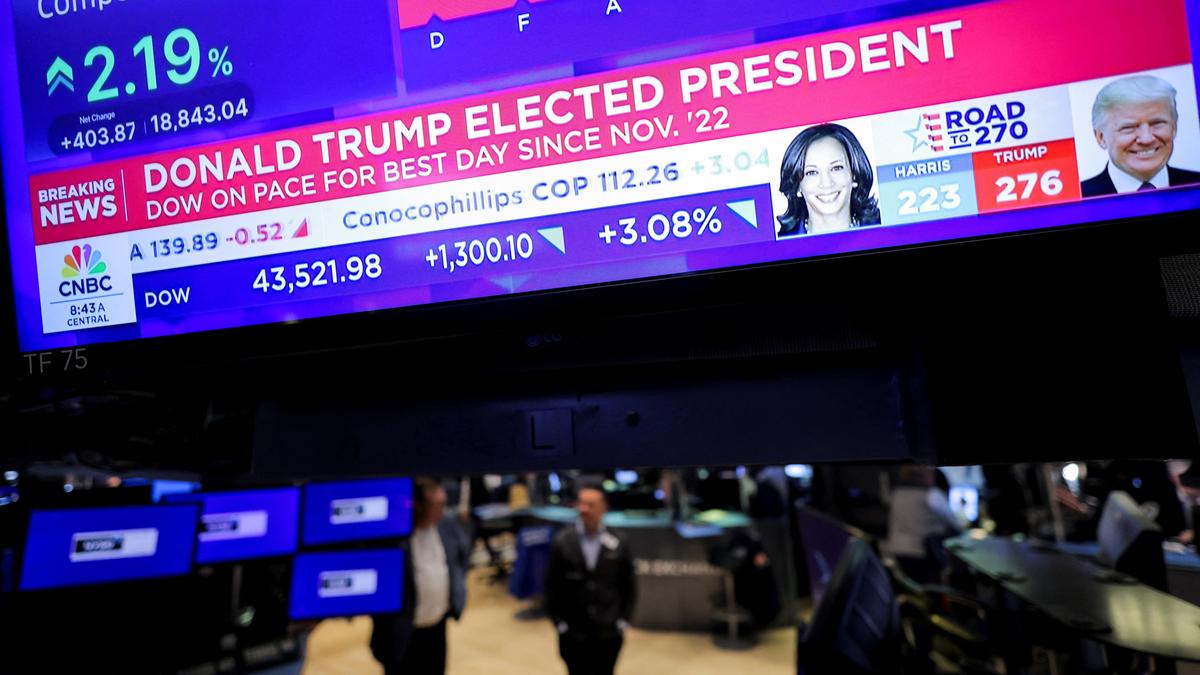
**New York, November 8, 2024** – The American media landscape is caught in a vortex of division, fueled by the ongoing tension between Donald Trump and the mainstream media (MSM). This conflict has reached a fever pitch, as evidenced by a recent CNN headline accusing Trump of inciting violence against his opponents.
The rise of Trump’s populism has fractured the once-cosy relationship between the media and the political establishment. Following the 2016 election, many journalists concluded that objective reporting was no longer achievable, citing concerns that critical coverage of Hillary Clinton may have contributed to Trump’s victory. This led to a shift in the MSM’s approach in 2020, with platforms consciously avoiding anything that could harm Joe Biden’s campaign. This approach resulted in the controversial decision to suppress the “Hunter Biden laptop episode,” a decision that raised serious questions about journalistic ethics.
The “laptop episode,” which involved leaks suggesting corrupt practices by Hunter Biden, was dismissed by many in the MSM as Russian disinformation. However, it has since been confirmed as genuine, further fueling accusations of bias within the media. This incident raises a fundamental question: should journalists report on public figures regardless of the consequences, even if it threatens democracy or national security?
Meanwhile, Trump continues to fuel the divide by routinely attacking the media, labeling them “fake news” and “scum.” This rhetoric has resonated with his supporters, further deepening the chasm between the media and the public.
Trump’s anti-war stance has further fueled the tensions. His criticism of American wars abroad has led to accusations of violence against his critics, such as Liz Cheney, who is labeled a “war hawk.”
The division between the media and the public is reflected in the declining public trust in mass media, which has reached a record low in 2024. This erosion of trust is a consequence of the ongoing political battles and the perception of media bias.
The current situation underscores the need for a critical examination of journalistic practices and the media’s role in a divided society. The question remains: how can the media regain the trust of the public while maintaining its integrity and independence in a highly polarized political landscape?
 First Piper