
Mon Nov 04 05:09:59 UTC 2024: ## Israeli Siege and Attacks on Gaza Hospitals Spark Outrage: 3 Hospitals Under Fire
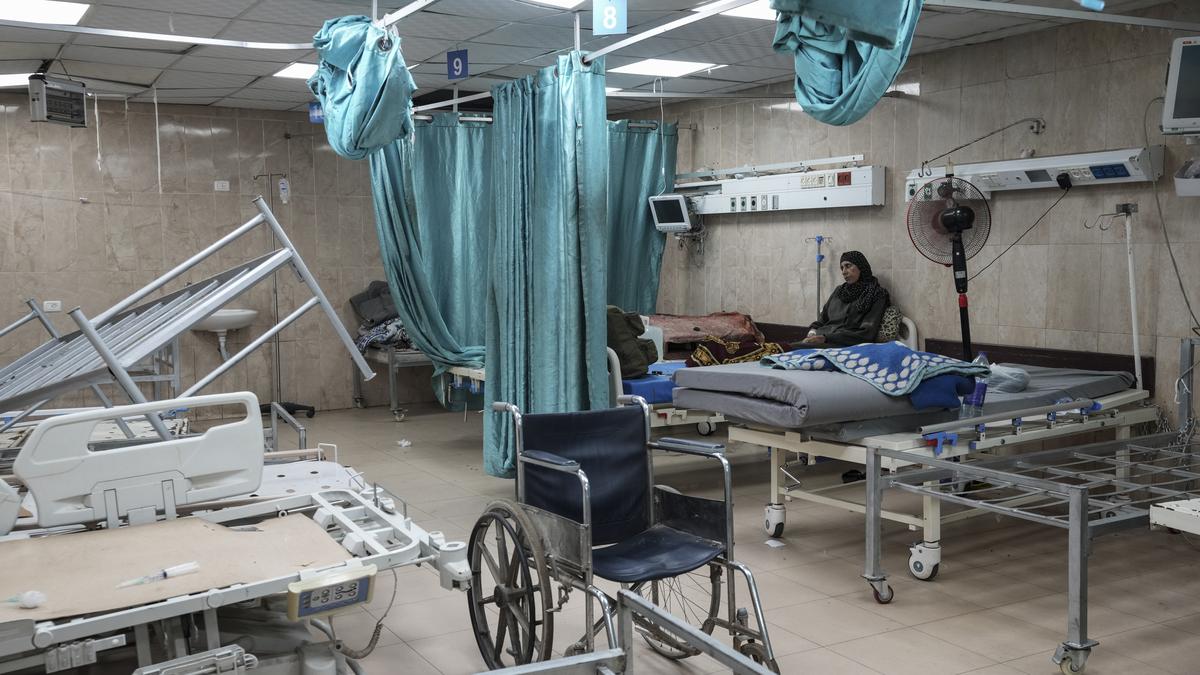
**Gaza City, November 4, 2024:** The ongoing conflict between Israel and Hamas has reached a new level of brutality, with three hospitals in northern Gaza facing relentless bombardment by Israeli forces. The Kamal Adwan, al-Awda, and Indonesian hospitals, already damaged from previous Israeli raids, are once again surrounded and under fire.
The situation mirrors the events of last year, when Israeli troops besieged and raided ten hospitals in Gaza, claiming they were being used by Hamas militants. Despite the hospitals being designated as protected zones under international law, Israel has justified its actions, stating that Hamas is using them for military purposes.
The al-Awda Hospital, specifically, has been paralyzed by the fighting near the Jabalia refugee camp. Director Mohammed Salha described the situation as a “reliving of nightmares,” with dwindling supplies, a shortage of doctors, and little hope for an end to the siege.
The Indonesian Hospital, too, has been targeted by Israeli artillery. While the military claims to have evacuated some patients, the hospital manager has vehemently denied any presence of Hamas within its walls.
The Kamal Adwan Hospital, a vital healthcare facility, is now facing a devastating fire ignited by Israeli shelling. This comes after the hospital was raided by Israeli troops, who detained most of the medical staff and claimed the hospital was harboring militants.
The UN has condemned Israel’s actions, calling them “collective punishment” and a “concerted policy to destroy the healthcare system of Gaza.” International organizations and human rights groups have expressed deep concern about the targeting of hospitals and the impact on civilians.
The current situation raises serious questions about the ethical conduct of the conflict and the consequences for civilians caught in the crossfire. As the fighting intensifies, the fate of the besieged hospitals and the safety of their patients remain a major concern.
 First Piper