
Sun Nov 03 23:30:00 UTC 2024: ## Aditya-L1 Mission Delivers First Scientific Breakthrough: Precisely Tracks Coronal Mass Ejection
**Bengaluru, India (November 4, 2024):** India’s first dedicated solar mission, Aditya-L1, has delivered its first scientific breakthrough, providing unprecedented insights into the behavior of the Sun. The mission’s primary payload, the Visible Emission Line Coronagraph (VELC), developed by the Indian Institute of Astrophysics (IIAp), successfully tracked the onset of a coronal mass ejection (CME) on July 16th, 2024.
CMEs are powerful explosions of plasma from the Sun that can disrupt communication networks and damage satellites. The VELC, uniquely equipped to observe CMEs close to the solar surface, provided crucial data on the event’s origin and evolution.
“This observation marks a significant step in our understanding of these powerful solar eruptions,” said Prof. R. Ramesh, the VELC’s Principal Investigator. He added that the instrument’s ability to study CMEs near the Sun’s surface is a game-changer, as traditionally, they are only observed in visible light when they have already propagated far from the Sun.
The study, led by Prof. Ramesh and a team of IIAp scientists, has been accepted for publication in the Astrophysical Journal Letters. It provides valuable insights into the thermodynamic properties of CMEs, crucial for understanding their origin and impact.
With the Sun approaching the peak of its current solar cycle, CMEs are expected to become more frequent. Continuous monitoring by the VELC will provide vital data for predicting and mitigating potential solar disruptions.
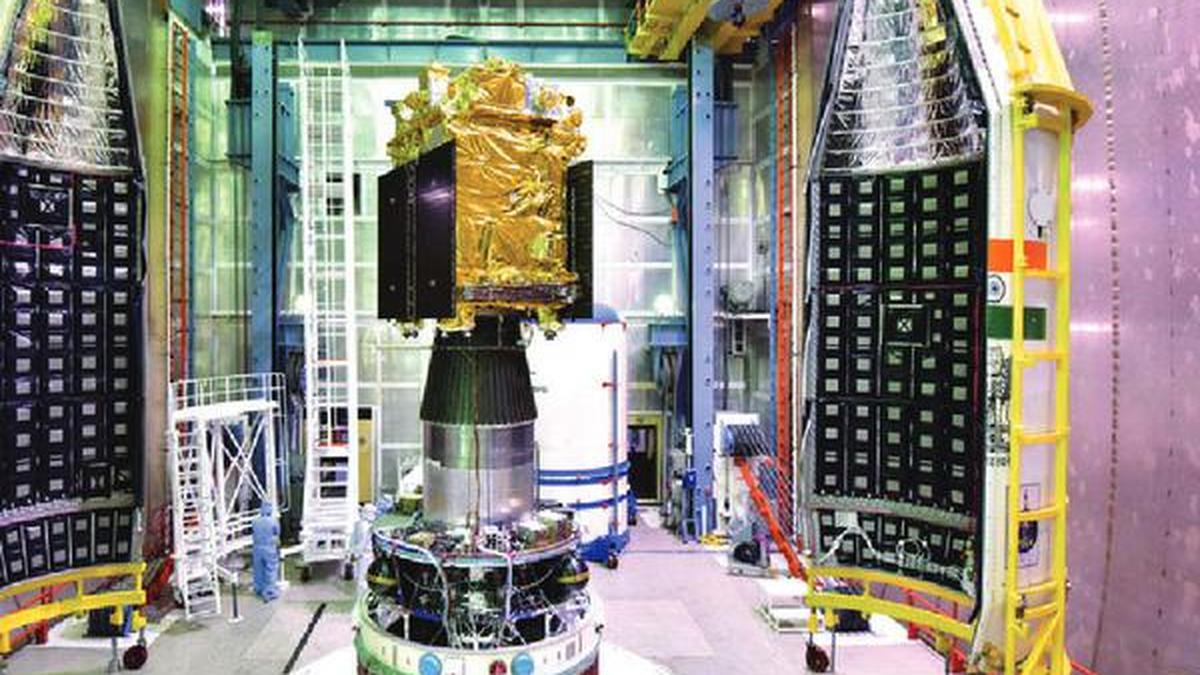
The Aditya-L1 spacecraft, launched on September 2, 2023, is stationed in a halo orbit around the first Lagrange point (L1) between the Earth and the Sun. It is expected to continue its mission for five years, providing scientists with a treasure trove of data about our Sun’s activity.
 First Piper