
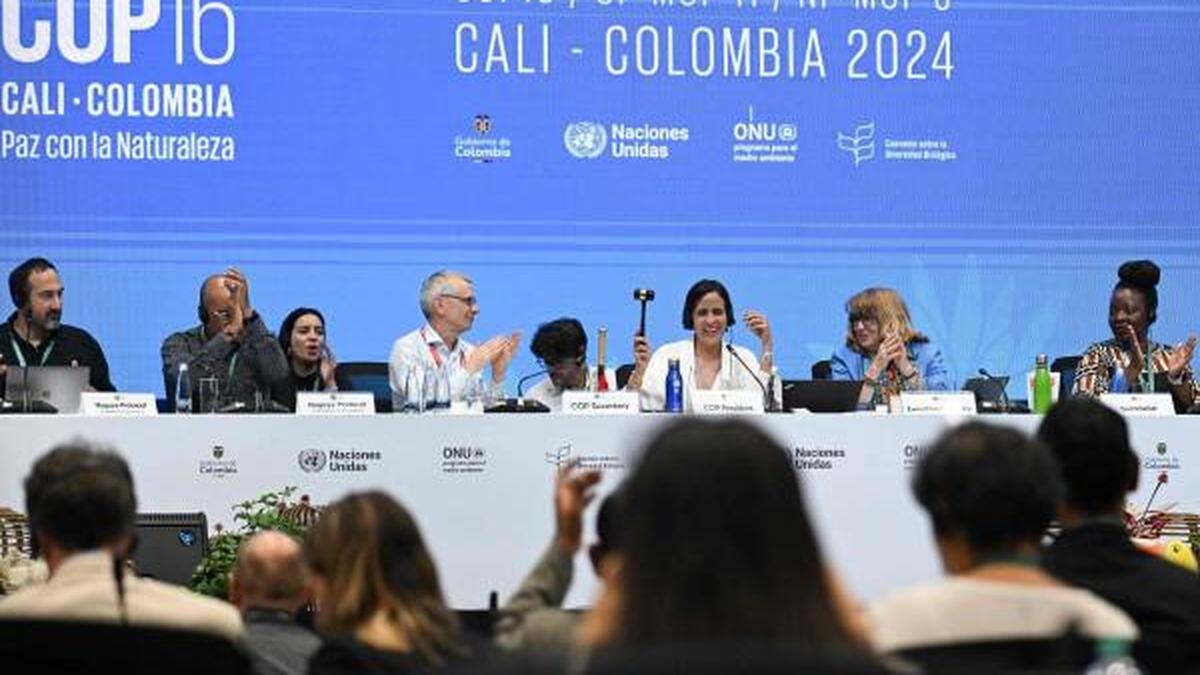
Sat Nov 02 23:14:56 UTC 2024: ## COP16 Biodiversity Talks Stall in Cali: No Agreement on Funding, Indigenous Inclusion Wins
**Cali, Colombia -** The 16th UN biodiversity talks in Cali, Colombia, concluded on Saturday without an agreement on a new fund for nature protection. While failing to reach a financial compromise, the conference did achieve significant progress on indigenous representation in biodiversity conservation.
The talks, which ran 12 hours past their scheduled end, saw negotiators depart to catch flights, forcing Colombian Environment Minister and COP16 President Susana Muhamad to suspend the session due to a lack of quorum. The date and location for the resumption of the conference remain unknown.
COP16 aimed to evaluate progress on the 2022 agreement in Canada to halt biodiversity loss, with increased funding for protection being a key focus. However, a stark divide emerged between wealthy nations hesitant to increase contributions and developing countries demanding more support to achieve biodiversity goals.
Despite the lack of a new funding mechanism, the conference saw several positive outcomes.
* **Indigenous Representation:** A subsidiary body was established to include indigenous peoples in future biodiversity discussions and decisions.
* **Genetic Data Sharing Fund:** A new global fund was agreed upon to share the benefits of digitally-sequenced genetic data from plants and animals with the communities of origin.
The Kunming-Montreal Global Biodiversity Framework (KM-GBF), adopted at COP15 in 2022, outlines 23 targets to be achieved by 2030, including protecting 30% of land and sea areas and restoring 30% of degraded ecosystems.
While developed countries pledged USD 200 billion annually for biodiversity protection by 2030, with USD 30 billion annually to be transferred to developing countries, actual contributions remain significantly lower.
Developing nations proposed a dedicated fund for nature, arguing that wealthy nations exert undue influence over the existing Global Environment Facility (GEF). However, this proposal faced resistance from countries including Canada, Japan, New Zealand, Australia, and members of the European Union.
Despite the lack of a financial agreement, some experts remain optimistic. Crystal Davis, global director for food, land and water at the World Resources Institute, highlighted the new fund for genetic data sharing and the establishment of a permanent body for indigenous participation as positive steps forward.
However, concerns remain regarding the voluntary nature of the genetic data fund and the need for companies to demonstrate impact.
The lack of progress on financial commitments sparked disappointment amongst conservationists. Patricia Zurita, chief strategy officer at Conservation International, emphasized the urgent need for action, lamenting the stalled progress due to political expediency.
The COP16 talks serve as a stark reminder of the ongoing challenges in securing the future of nature. While some positive steps were taken, the absence of a comprehensive financial agreement raises serious concerns about the ability to effectively address the biodiversity crisis.
 First Piper