
Thu Oct 17 14:15:37 UTC 2024: ## Hunter’s Moon to Light Up the Autumn Sky This Week
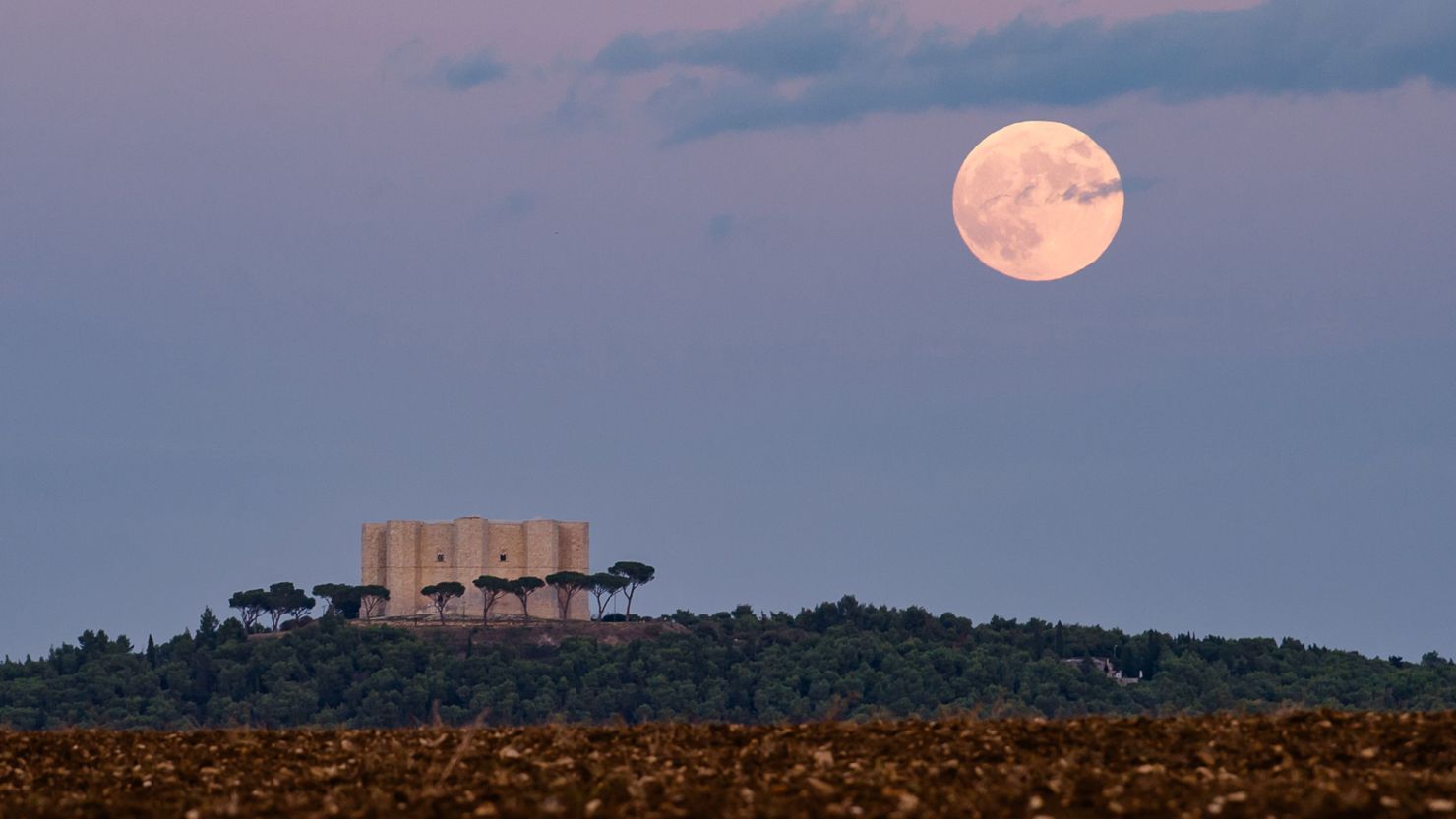
This week, skywatchers will be treated to a stunning celestial display: the closest supermoon of the year, known as the Hunter’s Moon. Reaching its peak fullness around 7:26 a.m. ET on Thursday, October 24th, the moon will appear full and bright from Wednesday evening through Friday morning.
The Hunter’s Moon is the third of four consecutive supermoons this year. This phenomenon occurs because the moon’s orbit is elliptical, meaning it’s sometimes closer to Earth (perigee) and sometimes farther away. When a full moon coincides with perigee, it appears larger and brighter than usual, making it a supermoon.
During this particular supermoon, the moon will be just 222,095 miles from Earth, making it the closest full moon of 2024. This will make it appear 8% larger and 16% brighter than a typical full moon.
While the Hunter’s Moon may appear orange as it rises, this is due to the way light interacts with Earth’s atmosphere and not a unique characteristic of the moon itself.
The Hunter’s Moon gets its name from indigenous cultures who relied on its bright light to hunt during the late autumn months. The fields were clear, making hunting easier, and the bright moon provided ample light for nighttime activities.
Joining the Hunter’s Moon in the sky will be Jupiter, the red giant star Aldebaran, and the star cluster Pleiades, visible Friday and Saturday night through dawn. Additionally, Comet C/2023 A3 (Tsuchinshan-ATLAS), visible in the west after sunset, will be making its closest pass of Earth this month, streaking across the sky until October 24th. This comet won’t return for another 80,000 years, making it a rare sight.
The Hunter’s Moon marks the changing of seasons and is just the first of many celestial events to look forward to in the coming months. Keep an eye out for the beaver moon (November 15th), the last supermoon of the year, and the cold moon (December 15th), the final full moon of 2024.
 First Piper