
Sat Sep 28 23:39:07 UTC 2024: ## Israel’s Assassination of Hezbollah Leader Sparks Regional Tensions
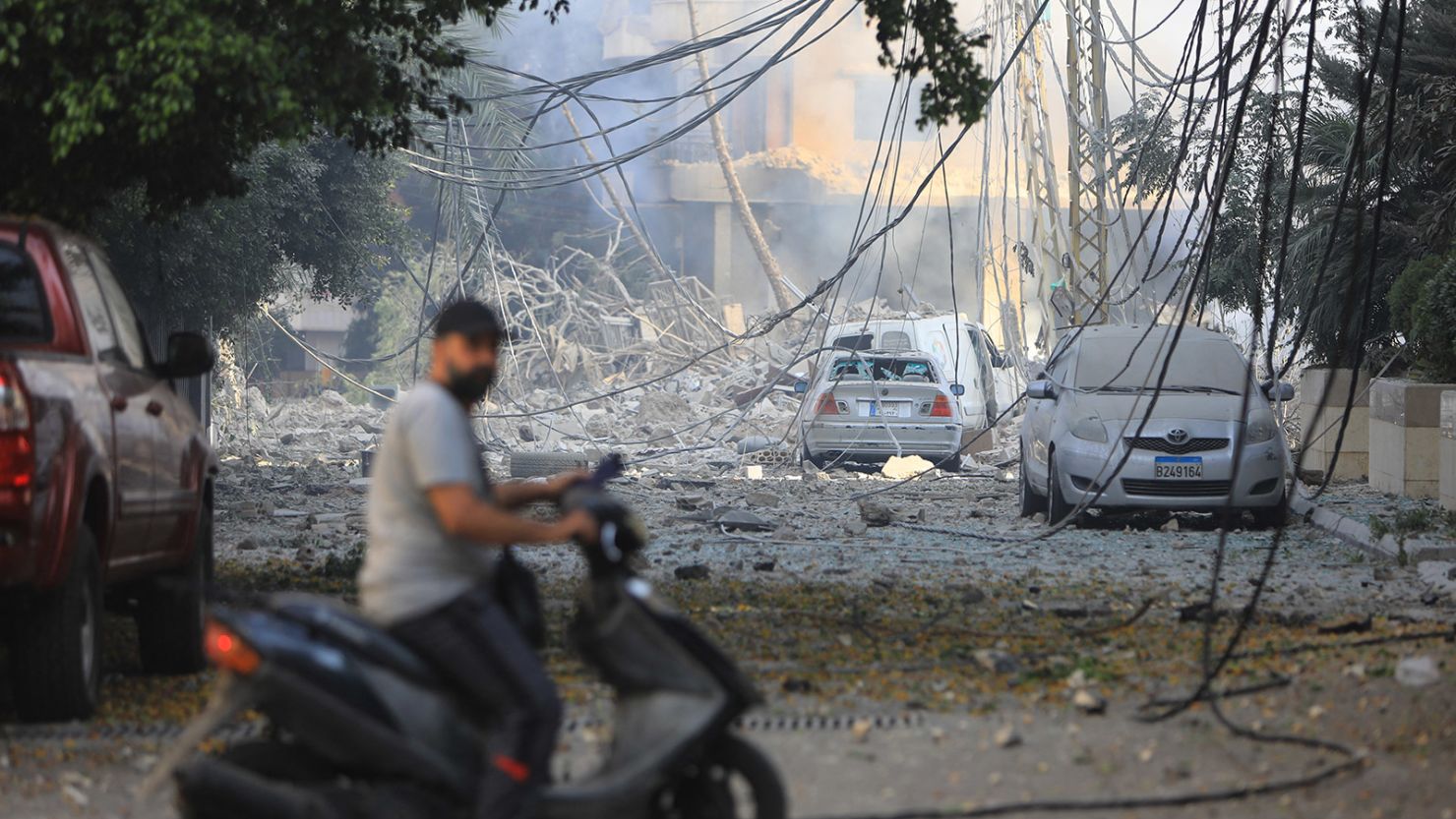
**BEIRUT/TEL AVIV** – Israel’s targeted killing of Hezbollah leader Hassan Nasrallah on Friday has sent shockwaves through the region, escalating the already intense conflict between Israel and the Lebanese militant group. Experts warn that Iran, Hezbollah’s key backer, may be forced to intervene, potentially drawing the US into the fray.
Israel has claimed to have dealt a crippling blow to Hezbollah’s military infrastructure, targeting command centers, communication networks, and top officials. However, despite these losses, Hezbollah retains significant military capabilities, including a vast arsenal of missiles capable of reaching deep into Israel.
While Nasrallah’s death is a major setback for the group, analysts believe Hezbollah will likely recover, drawing on its experience and resilience. Iran, meanwhile, faces a difficult dilemma. While it has publicly condemned Israel’s actions, its own calculations may be shifting as the situation worsens.
“If it becomes clear that Hezbollah cannot defend itself, then the Iranian justification for staying out of the war has collapsed,” said Trita Parsi, executive vice president of the Quincy Institute. “At that point, Iran’s credibility with its regional partners would be at risk.”
Iran is likely to provide support to Hezbollah in rebuilding its command structure and potentially engage in more direct action, including missile strikes, if the group’s capabilities are severely diminished. However, such a move would risk escalating the conflict to a broader regional war, potentially involving the US.
The timing of the current escalation is particularly fraught for Iran, as its new reformist president is seeking to improve relations with the West. Iran’s involvement in the conflict could further jeopardize its economic recovery and diplomatic efforts.
As the situation unfolds, the international community is on edge, with concerns mounting about the potential for a wider conflict in the Middle East. The focus now shifts to the response from both Iran and the international community, with the outcome potentially shaping the region’s political landscape for years to come.
 First Piper