
Thu Sep 26 13:30:17 UTC 2024: ## Xiaomi Embraces Google’s Ultra HDR, Enhancing Photo Sharing Across Android Devices
**BEIJING, CHINA –** Xiaomi, the world’s second-largest smartphone manufacturer, has announced support for Google’s Ultra HDR image format on its latest flagship devices. This move is a significant step towards improving photo sharing across Android devices, ensuring that high-quality HDR images can be shared and viewed in their full glory regardless of the recipient’s device.
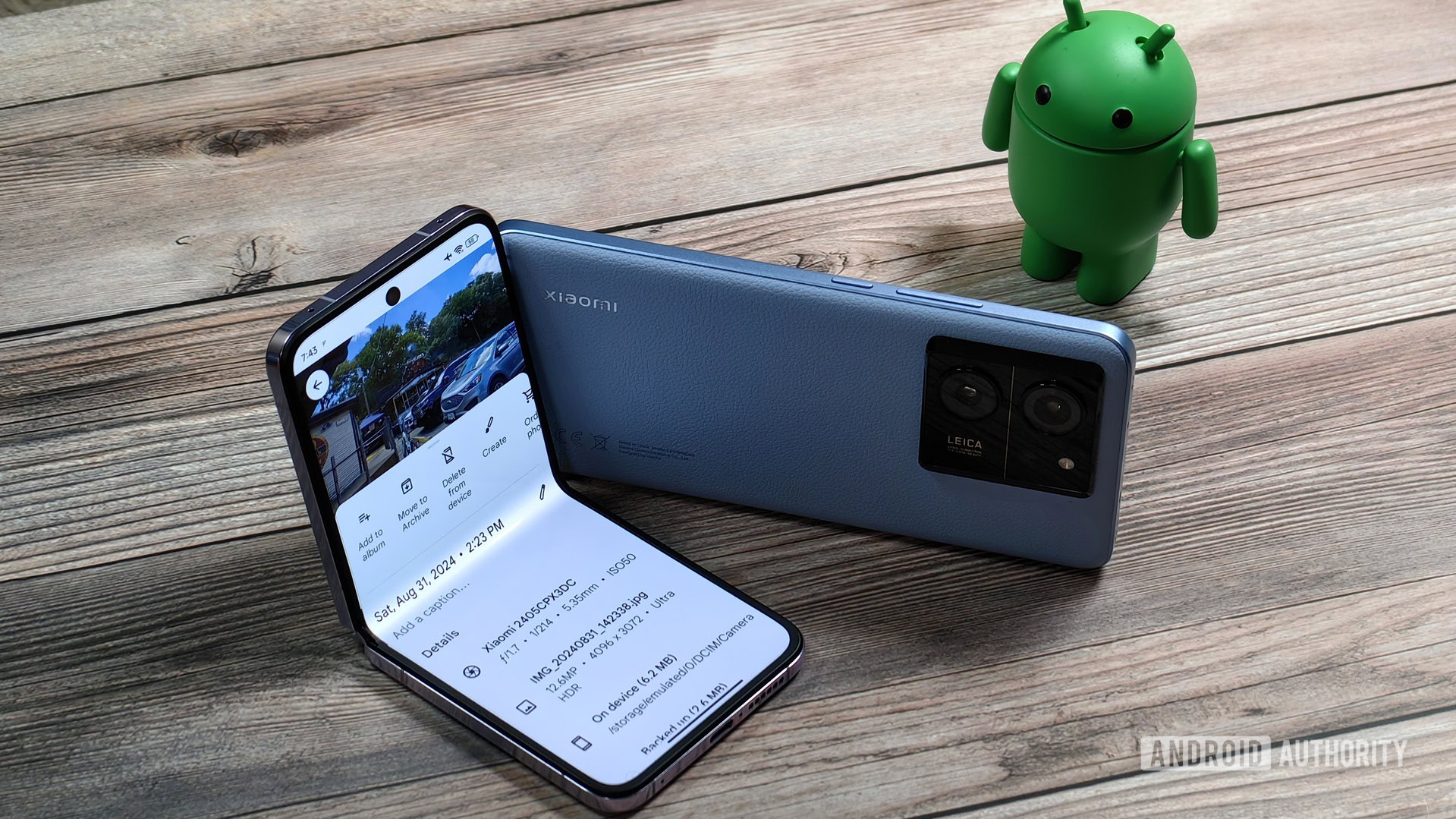
Ultra HDR, introduced in Android 14, preserves vibrant colors and dynamic range captured by modern smartphones while ensuring compatibility with older devices lacking HDR displays. Xiaomi’s support for the format extends to its flagship phones, including the Xiaomi 14 series, Xiaomi Mix Flip, Xiaomi Mix Fold 4, and the recently announced Xiaomi 14T series.
This means users of these devices can now share HDR photos that will be viewed in their full glory on other HDR-enabled Android smartphones like Google Pixel, Samsung Galaxy, OPPO, and OnePlus devices. The same applies in reverse, as Xiaomi phones can now display Ultra HDR images sent from these other devices.
While the adoption of Ultra HDR is promising, there are still some challenges to overcome. Currently, only the stock camera app on Xiaomi devices, the Hyper OS camera app, can capture Ultra HDR photos. While Google is working to bring support for Ultra HDR capture to third-party camera apps, this process will take time.
Furthermore, widespread app support for Ultra HDR is still lacking. Many messaging and social media platforms currently strip HDR metadata from images, resulting in standard JPEG files. While Instagram and Threads are the only major platforms currently supporting Ultra HDR, more are expected to follow suit.
Despite these challenges, Xiaomi’s embrace of Ultra HDR represents a significant step towards making photo sharing more vibrant and enjoyable across Android devices. With the support of the world’s leading Android smartphone manufacturers, Ultra HDR has the potential to become a standard feature, further enhancing the Android ecosystem.
 First Piper