
Thu Sep 26 12:29:00 UTC 2024: ## Taliban’s Ambitious Agricultural Plans Face Daunting Challenges
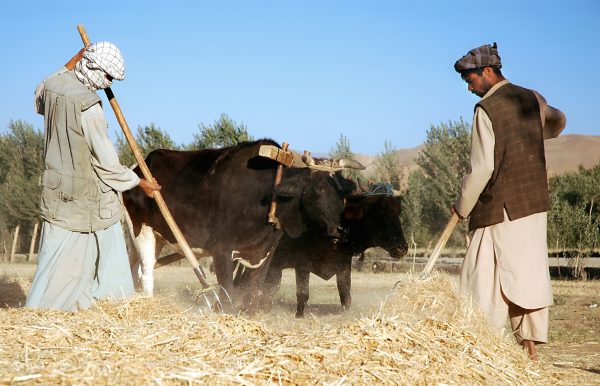
**KABUL, AFGHANISTAN** – Despite facing widespread food insecurity and a dire economic situation, the Taliban regime is pushing forward with ambitious agricultural plans. The Taliban’s aim is to diversify the Afghan economy, bolster revenue streams, and strengthen their control within the country. However, the plan faces substantial obstacles, including climate change, limited infrastructure, and a lack of international support.
The Taliban government, seeking to distance itself from its notorious past, has banned poppy and cannabis cultivation and launched a five-year plan to replace these crops with alternatives. The government has also attempted to increase agricultural exports to Central Asia, China, and India. However, these initiatives are hampered by numerous challenges.
**Challenges:**
* **Natural Disasters:** Afghanistan is grappling with persistent droughts and a series of weather events that have damaged crops, including locusts, untimely rains, and high winds.
* **Lack of Infrastructure:** Insufficient irrigation systems, poor storage facilities, and limited transportation infrastructure hinder agricultural development.
* **International Disputes:** Neighboring countries have raised concerns about the Taliban’s plans to divert water from transborder rivers for irrigation, raising fears of water security impacts.
* **Food Insecurity:** Despite the government’s efforts, over 18 million Afghans currently face severe food insecurity.
**Political Undertones:**
The Taliban’s agricultural policies are more than just economic plans, they are a tool for social control. The drug ban weakens the influence of local leaders and tribal leaders who have historically relied on poppy cultivation for income and power. The shift away from narcotics also aims to deflect international criticism and reduce dependence on international aid.
**Looking Ahead:**
While the Taliban’s agricultural plans appear ambitious, their success remains uncertain. The government’s ability to overcome the challenges of climate change, infrastructure limitations, and international opposition will determine the fate of these initiatives. The coming years will be crucial as the Taliban’s policies are tested against the harsh realities on the ground. The next few harvests will be a key indicator of whether the Taliban’s vision for a self-sufficient Afghanistan can become a reality.
 First Piper