
Thu Sep 26 15:03:51 UTC 2024: ## HBCUs: A Cradle of Music Legends
From the heart of the Black community, Historically Black Colleges and Universities (HBCUs) have played a pivotal role in shaping the landscape of American music. Not only do these institutions foster vibrant musical communities, but they have also served as launch pads for countless renowned artists.
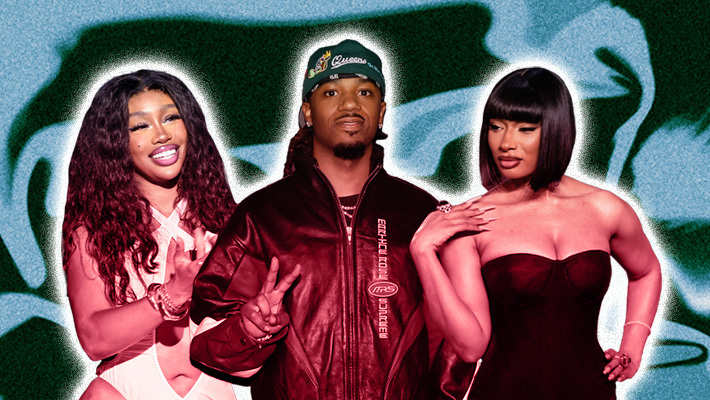
This year, ahead of homecoming season, we highlight ten musical stars with HBCU connections. Among them are:
* **Megan Thee Stallion:** Graduated from Texas Southern University with a degree in Health Administration, proving that education and music can coexist.
* **SZA:** Attended Delaware State University, showcasing her academic prowess before pursuing a successful music career.
* **Metro Boomin:** Briefly attended Morehouse College, demonstrating the commitment to music that ultimately led him to drop out and become a multi-platinum producer.
* **Rick Ross:** A former Albany State University football player, he eventually prioritized music, inspiring students with his entrepreneurial spirit.
* **2 Chainz:** A former basketball player at Alabama State University, he returned to finish his degree, despite a troubled past.
* **Wale:** Initially played football at Robert Morris University before transferring to Virginia State University, where his musical talents bloomed.
* **Killer Mike:** Attended Morehouse College, crediting his teacher for pushing him towards success, a factor leading to his Grammy-winning career.
* **Common:** A former student at Florida A&M University, he received a doctorate in fine arts, highlighting his commitment to both music and education.
* **Erykah Badu:** Studied theater at Grambling State University before embarking on her successful neo-soul journey.
* **Lionel Richie:** Grew up on the Tuskegee Institute campus and later graduated with a degree in economics, illustrating the influence of HBCUs on music legends.
These artists represent a diverse range of musical styles and backgrounds, proving the impact of HBCUs on contemporary music. Their stories showcase the vibrant culture, academic excellence, and unwavering support that HBCUs provide, not only for their students but for the broader music industry.
 First Piper