
Wed Sep 25 09:19:45 UTC 2024: ## Zachtronics Almost Made a Warhammer 40k Game: Here’s Why It Didn’t Happen
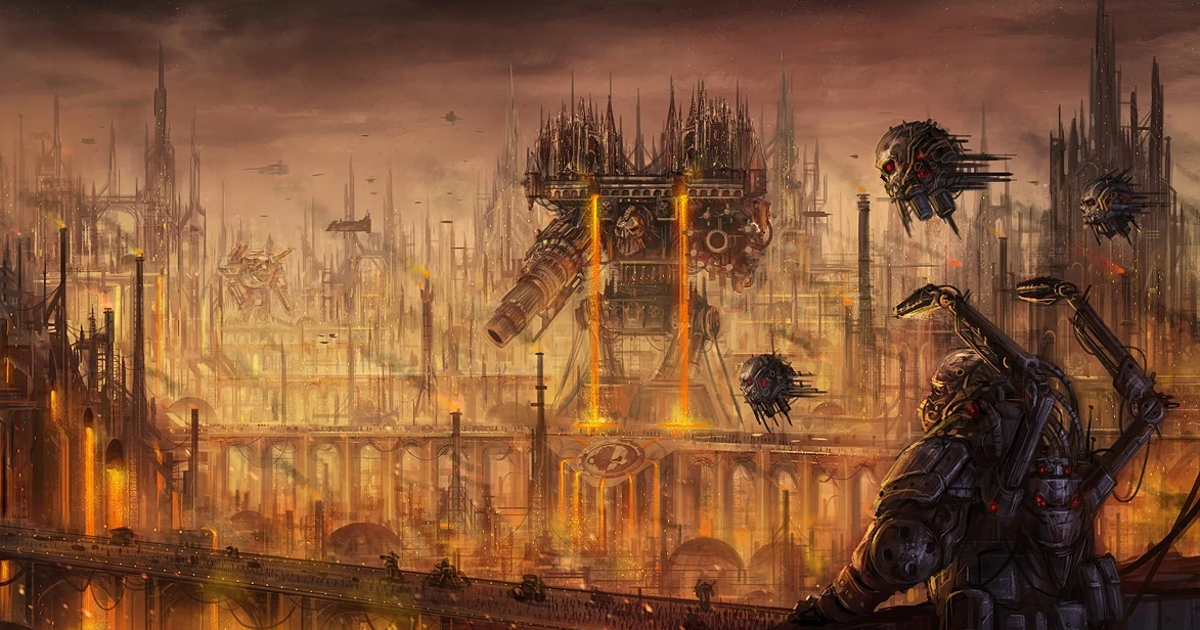
Zachtronics, the developers behind puzzle hits like *SpaceChem* and *Shenzen I/O*, nearly created a *Warhammer 40,000* game. Their vision, a factory-building sim set on a Forge World, promised a darkly humorous take on the grim darkness of the far future. However, licensing issues and creative concerns ultimately derailed the project.
Zach Barth, Zachtronics founder, revealed that the studio approached Games Workshop in 2017. The pitch, centered around building factories and producing weapons for the Adeptus Mechanicus, was initially well-received. Games Workshop, known for their open licensing policies, even offered favorable terms.
However, the hefty upfront licensing fee and concerns over creative control proved to be stumbling blocks. Zachtronics, known for their inventive puzzle designs and aversion to sequels, felt restricted by the limitations imposed by the *Warhammer 40,000* universe. Specifically, the setting’s emphasis on rigid tradition clashed with the studio’s desire to explore innovative and unorthodox technology.
Additionally, Barth expressed unease with the setting’s potential for misinterpretation. He worried that players, especially those unfamiliar with British humor, might misunderstand the game’s satirical tone. The potential for the game to be taken seriously, mirroring the grim and often fascist undertones of the *Warhammer 40,000* lore, was a major concern.
Ultimately, Zachtronics decided to pass on the project due to financial risks. The studio felt that the potential returns from a *Warhammer 40,000* game didn’t justify the large upfront investment, especially given their relatively modest success.
While a Zachtronics *Warhammer 40,000* game might never see the light of day, the story highlights the complexities of licensing deals and the creative challenges faced by developers when working within established universes. The project’s failure serves as a reminder that, even with seemingly perfect fits, the path to a successful licensed game is paved with obstacles and compromises.
 First Piper