
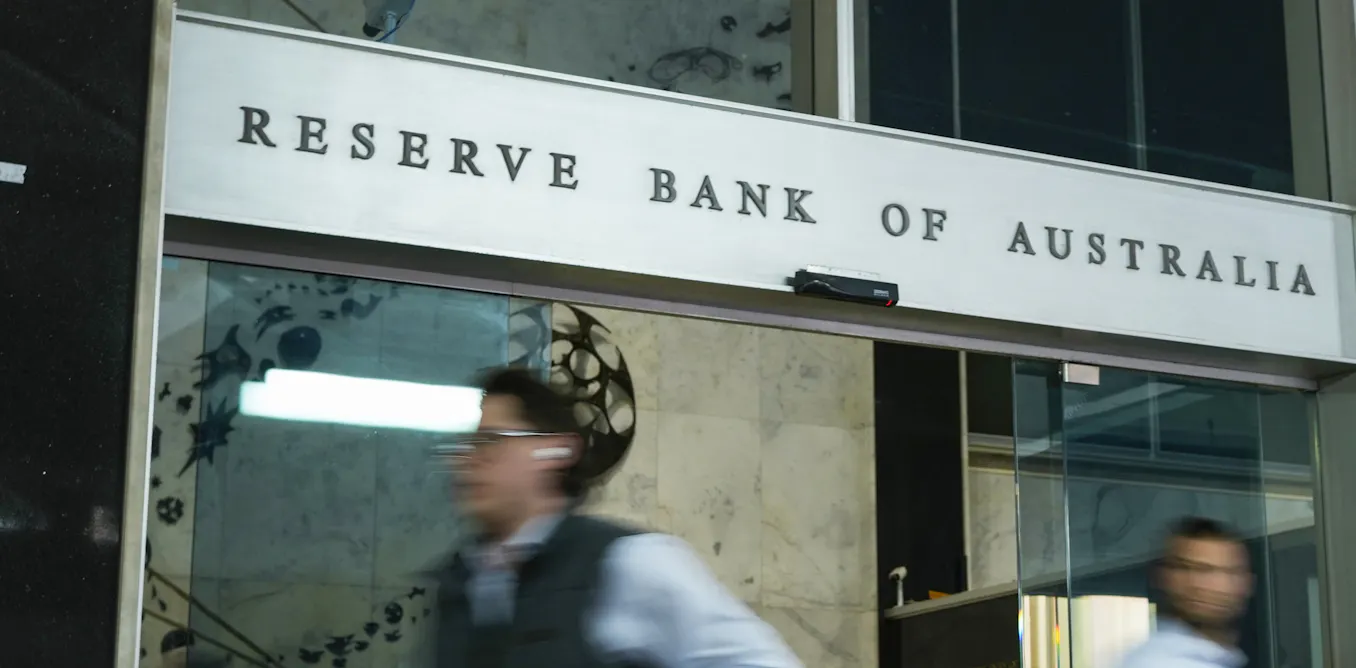
Wed Sep 25 02:19:42 UTC 2024: ## Greens’ Demand for Interest Rate Cut Threatens RBA Independence, Experts Warn
**Sydney, Australia** – Negotiations surrounding reforms to the Reserve Bank of Australia (RBA) took a dramatic turn this week when the Greens demanded the government use its reserve powers to immediately cut interest rates. This proposal, while seemingly appealing to mortgage holders struggling with the cost-of-living crisis, has sparked concerns from experts about undermining the long-standing principle of central bank independence.
The Greens’ demand comes after a year of stalled negotiations between the government and the opposition Coalition. Labor initially hoped to pass the reforms with Coalition support, but the two parties ultimately failed to reach an agreement.
Professor Henry Maher, a lecturer in Politics at the University of Sydney, highlights the historical significance of central bank independence. He argues that government control over interest rates could lead to detrimental economic consequences, as evidenced by the stagflation crisis of the 1970s.
“The idea of central bank independence has deep roots, dating back to David Riccardo’s warnings against government control of monetary policy,” Professor Maher said. “The 1970s stagflation crisis demonstrated the need for an independent institution to manage interest rates effectively, ensuring long-term economic stability.”
The Greens’ proposal, Professor Maher warns, could result in short-term electoral gains but ultimately damage the economy by:
* **Exacerbating inflation:** Government-driven interest rate cuts could create a cycle of inflationary pressure.
* **Fueling the housing crisis:** Reduced interest rates could further inflate house prices, making housing affordability even more difficult.
* **Undermining economic confidence:** The potential for political manipulation of monetary policy could erode confidence in the RBA’s ability to maintain stability.
While the Greens’ proposal has been met with skepticism, the Coalition’s initial concerns about Labor stacking the RBA board seem misplaced, as both the governor and board are already appointed by the current government.
Professor Maher suggests that a workable compromise can be found, one that strengthens the RBA while preserving its independence. “The proposed reforms recognize the delicate balance between political interests and economic stability,” he stated. “The Coalition should reconsider its position and return to the negotiating table to find a solution that benefits both the bank and the country.”
The future of the RBA reforms hangs in the balance as the government grapples with the potential impact of the Greens’ proposal. The debate over central bank independence, a crucial cornerstone of economic stability, is set to intensify in the coming weeks.
 First Piper