
Wed Sep 25 08:14:00 UTC 2024: ## Rising Seas Threaten Coastal Communities Worldwide
Global sea levels are rising at an alarming rate, posing an existential threat to low-lying islands and coastal cities worldwide. The United Nations Secretary-General, Antonio Guterres, recently warned of the impending crisis, highlighting the vulnerability of nations like Tonga in the South Pacific.
The accelerating rate of sea level rise, driven by global warming caused by greenhouse gas emissions, is pushing ocean temperatures to record highs. This leads to thermal expansion of the water, coupled with the melting of ice sheets and glaciers, causing a significant increase in ocean volume.
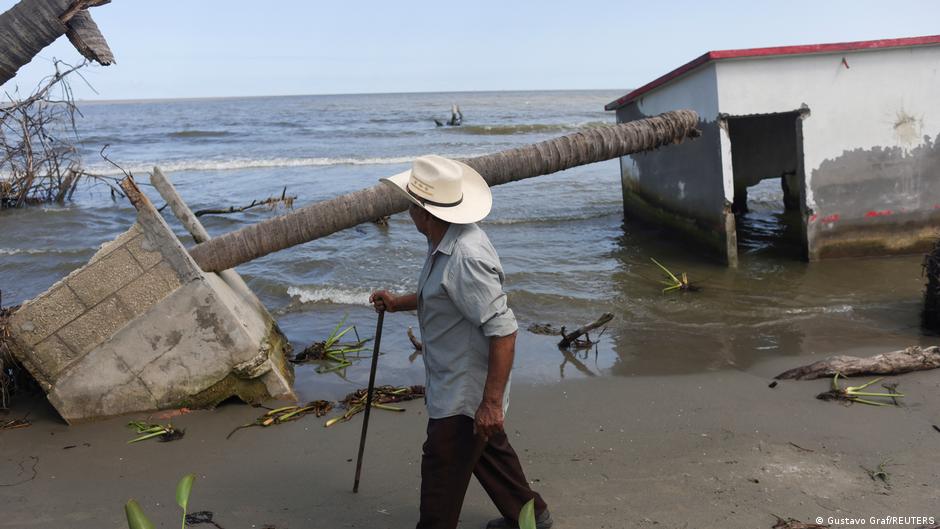
While the impact is felt globally, the southwestern Pacific is experiencing sea level rise at almost twice the global average. This translates to increased coastal erosion, saltwater intrusion, and more destructive floods and storms, impacting infrastructure, livelihoods, and lives.
The severity of future sea level rise hinges on global efforts to curb greenhouse gas emissions. Limiting global warming to 1.5 degrees Celsius, as outlined in the Paris Agreement, could see a rise of 38 centimeters by 2100. However, current projections indicate a rise of 56 centimeters with a 2.7 degrees Celsius warming scenario.
Coastal megacities such as Cairo, Lagos, Los Angeles, Mumbai, Buenos Aires, and London are all facing serious impacts from rising sea levels. Some of the most vulnerable areas include river deltas, often home to major port cities.
While mitigation efforts are critical to slowing down the rise, adaptation measures are also necessary. Countries are employing a range of solutions, from building seawalls and storm surge barriers to implementing nature-based strategies like mangrove regeneration and wooden stake reinforcement of beaches.
For small island nations, adaptation measures include relocating entire villages to higher ground, building floating cities, and reclaiming land from the sea.
The threat of rising sea levels is a global concern, impacting the lives of millions and requiring urgent action. The urgency for global cooperation to reduce emissions and implement effective adaptation strategies is paramount to avert the devastating consequences of unchecked climate change.
 First Piper