
Wed Sep 25 07:22:42 UTC 2024: ## Australia’s Pandemic Response: Mixed Results and a Grim Economic Outlook
**Canberra, Australia:** While the COVID-19 pandemic is now a distant memory for many Australians, its lasting impacts, particularly on the economy, continue to linger. A new book, “Australia’s Pandemic Exceptionalism,” by economists Steven Hamilton and Richard Holden, examines Australia’s handling of the COVID crisis, highlighting both successes and failures in economic and health policies.
Professor Richard Holden, co-author of the book, spoke with The Conversation, offering insights into Australia’s current economic outlook and the potential for future interest rate hikes.
The book finds that while Australia excelled in its economic response to the pandemic, its performance on vaccine procurement and rapid antigen (RAT) provision was less impressive. Holden argues that the Treasury provided sound economic advice, but the government’s handling of the health response was “quite poor at times,” citing the government’s initial dismissal of the urgency of vaccine acquisition.
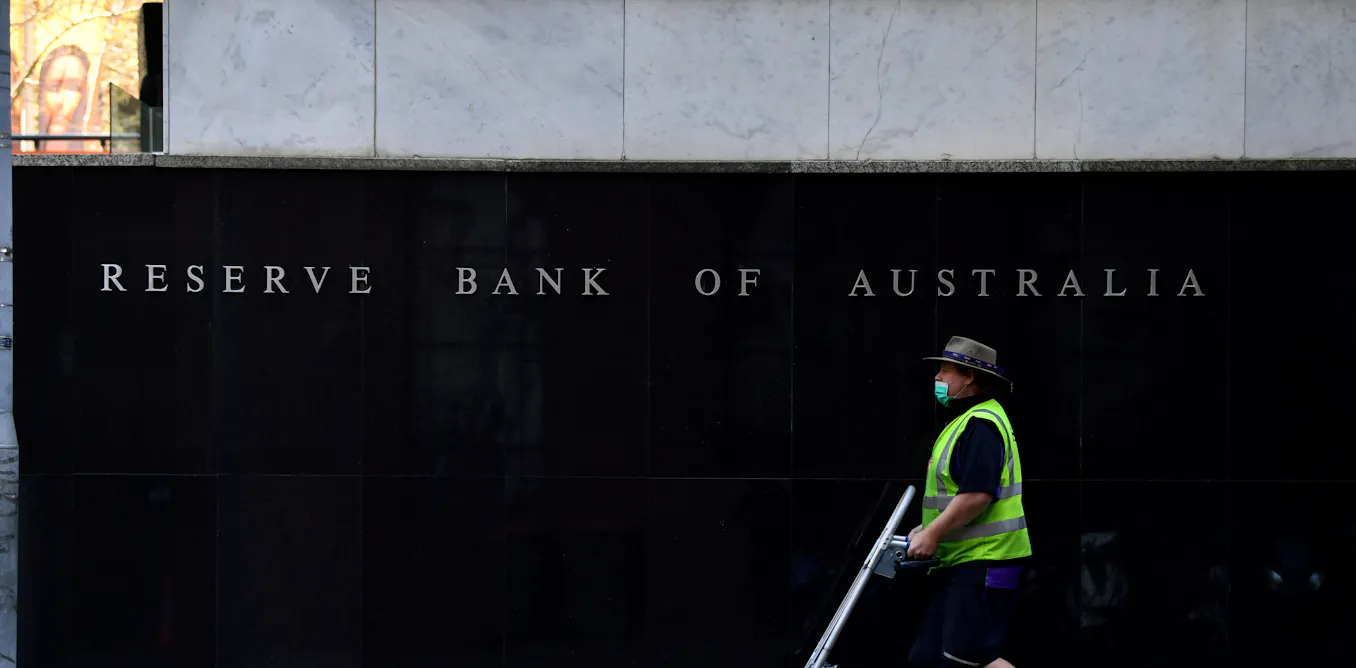
Looking ahead, Holden expresses concern about the Reserve Bank of Australia’s (RBA) strategy on inflation. He believes that the RBA should have raised interest rates earlier and more aggressively to curb inflation, mirroring the approach taken by other developed economies. While the RBA has chosen a more gradual approach, Holden fears this could lead to prolonged inflation and ultimately result in a delayed and painful interest rate hike.
He anticipates that interest rates will likely remain elevated until late 2025, meaning Australians will continue to face financial pressure for some time.
Holden also criticizes the RBA Governor’s recent comments on future interest rate movements, warning against providing specific forward guidance, citing past mistakes that led to confusion and market volatility.
The book also explores the potential impact of changes to negative gearing, a controversial tax policy that allows investors to deduct losses on rental properties from their taxable income. Holden believes that abolishing negative gearing would create a more level playing field for first-time home buyers, ultimately benefitting those looking to enter the property market. However, he acknowledges that the policy also benefits renters by keeping rental prices lower, resulting in a complex trade-off.
The economic landscape in Australia remains uncertain, with the impacts of the pandemic and the RBA’s policy decisions continuing to shape the country’s financial future. Holden’s insights provide a sobering assessment, emphasizing the need for proactive measures to address inflation and navigate the challenges ahead.
 First Piper