
Wed Sep 25 09:00:02 UTC 2024: ## Anti-Immigrant Think Tanks Shift the American Immigration Landscape
**By Gaby Del Valle**
**WASHINGTON, D.C.** – A once-marginalized network of anti-immigrant think tanks and advocacy groups has dramatically reshaped the American immigration debate, influencing both Republican and Democratic policies. The shift, fueled by the rise of Donald Trump and a decades-long campaign by these groups, has led to a national focus on “securing the border” at any cost.
This movement finds its roots in the work of John Tanton, an ophthalmologist who founded the Federation for American Immigration Reform (FAIR) in 1979. Tanton believed unchecked immigration threatened American culture and resources, and he spent decades building a network of organizations like the Center for Immigration Studies (CIS) and NumbersUSA.
These groups effectively leveraged grassroots activism, fearmongering, and media influence to create a public perception of a “crisis” at the border. They pushed for policies like English-only laws and Proposition 187, which sought to restrict undocumented immigrants from accessing public services. Their messaging, often tinged with racist undertones, resonated with a public increasingly concerned about demographic changes and economic anxieties.
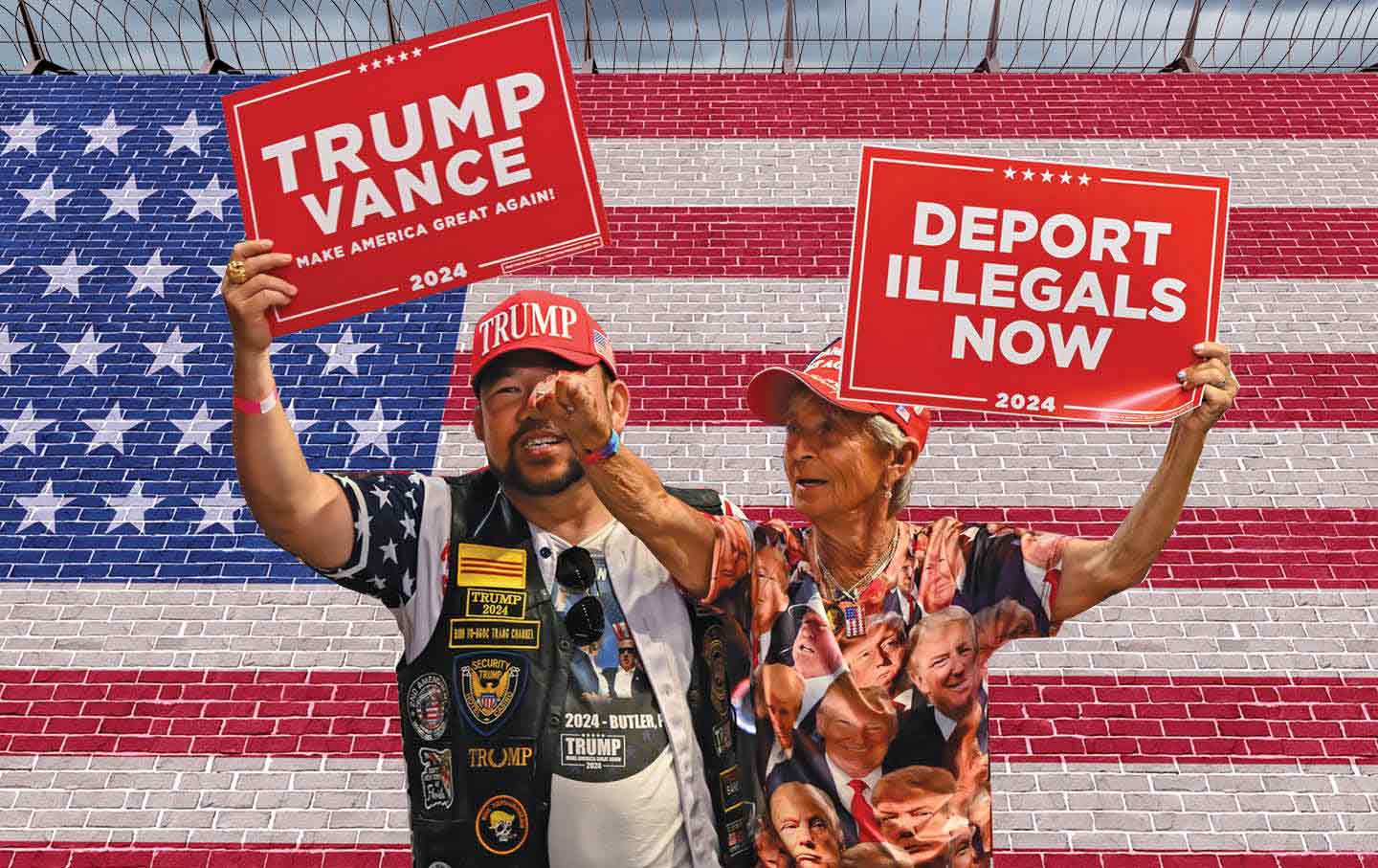
The rise of Trump, who adopted their rhetoric and policies, further propelled their agenda. Trump appointed figures from this network to key positions in his administration, including Stephen Miller, a former staffer for Senator Jeff Sessions, who became a staunch advocate for hardline immigration policies.
The impact of this movement is evident in the policies of both the Trump and Biden administrations. While Biden reversed some of Trump’s harshest policies, he has been pressured by Republicans and, increasingly, by a public swayed by the anti-immigrant narrative, to adopt restrictive measures.
The movement has even influenced the Democratic Party, with Vice President Kamala Harris campaigning on a platform of border security and a tougher stance on immigration.
The future of immigration in America is now deeply intertwined with the success of these organizations and their long-term goals. They aim to further limit legal immigration by reducing visas for foreign students, implementing stricter naturalization processes, and eliminating programs like the diversity visa lottery and family-based immigration.
John Tanton, the architect of this movement, died in 2019. But his legacy, characterized by a blend of environmentalism, cultural anxieties, and racial prejudice, continues to shape the American political landscape. The question now is whether the country will break free from the grip of this influential network or succumb to its vision of a more restrictive and less welcoming nation.
 First Piper