
Wed Sep 25 09:13:05 UTC 2024: ## EU’s De-Risking Strategy: A Balancing Act Between China and the US
The European Union, despite its growing economic reliance on China, is navigating a delicate path towards “de-risking” its relationship with the Asian giant. While the US remains the EU’s most important economic partner overall, China has emerged as a significant supplier for strategic goods, raising concerns about potential economic and geopolitical vulnerabilities.
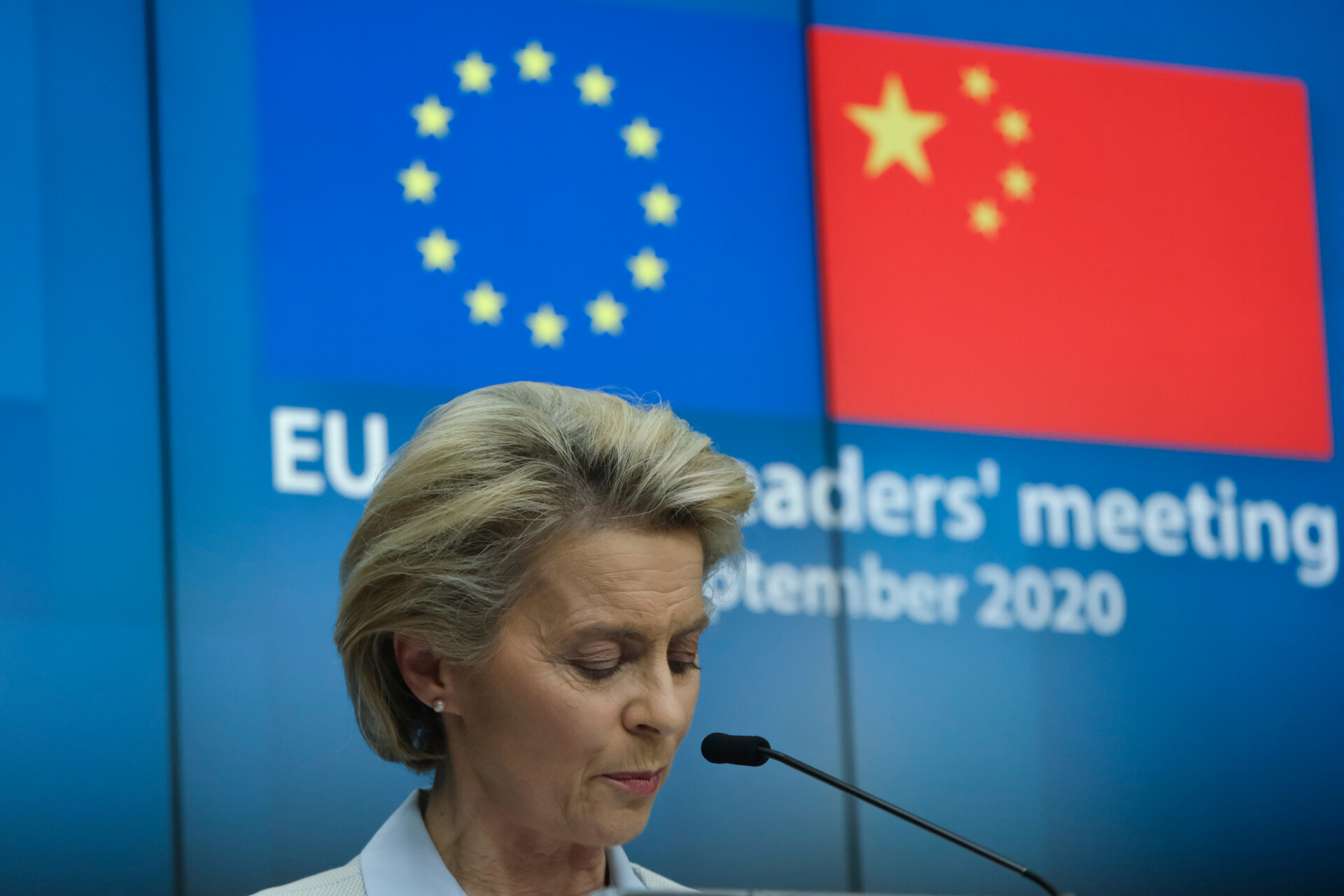
The EU’s “de-risking” approach, first proposed by Ursula von der Leyen, aims to reduce dependency on single suppliers and diversify supply chains while maintaining trade relations. This strategy contrasts with the US’s calls for “decoupling,” which seek a complete separation from China.
China, however, views the EU’s strategy as “de-Chinaization,” arguing that it unfairly targets their country and hinders global supply chains. The EU, on the other hand, emphasizes the need to mitigate risks and ensure economic security, which includes diversifying suppliers and investing in domestic production.
The debate surrounding the EU’s “de-risking” strategy highlights a key challenge for the global economy: balancing economic interdependence with national security concerns. While the EU seeks strategic autonomy, it remains heavily dependent on both the US and China for trade and investment. This dependence, coupled with increasing tensions between the US and China, creates a complex geopolitical landscape for the EU.
The impact of the EU’s “de-risking” strategy on global trade remains to be seen. While some experts warn of potential economic fragmentation and a slowdown in global trade, others believe that it can be implemented in a way that benefits both the EU and China.
Ultimately, the EU’s success in “de-risking” its relationship with China will depend on its ability to find a balance between maintaining economic ties and addressing national security concerns. The EU’s commitment to multilateralism and collaboration will be crucial in ensuring that “de-risking” does not lead to a global economic crisis.
 First Piper