
Wed Sep 25 09:00:34 UTC 2024: ## The Rise of AI “Slop” is Flooding the Internet
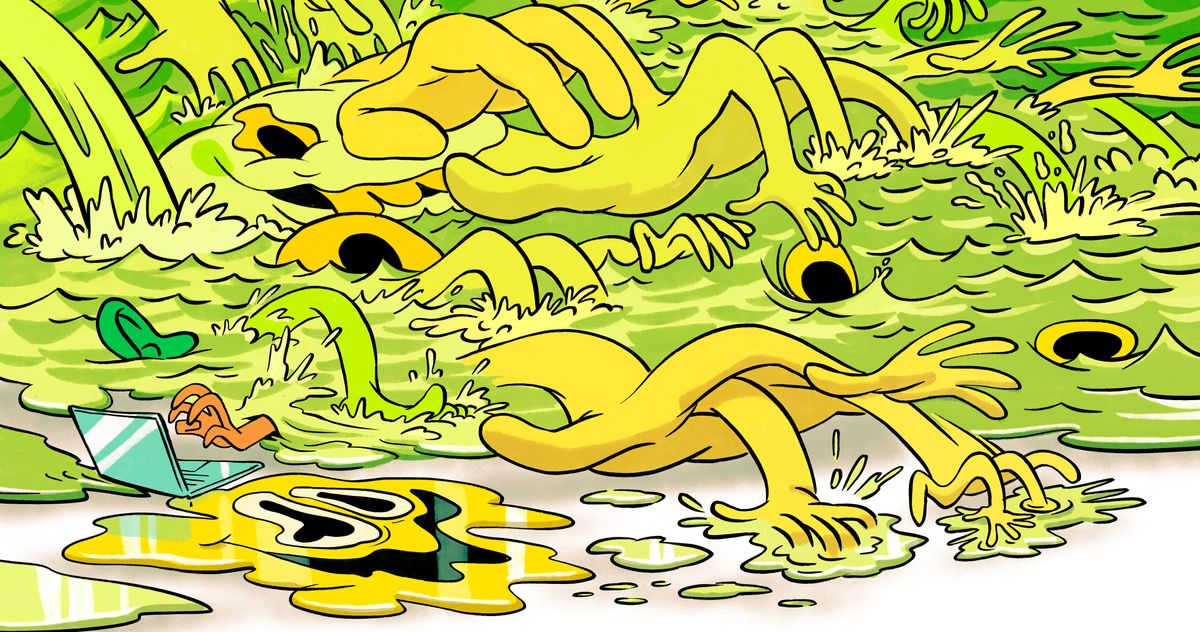
The internet is being inundated with a new kind of digital pollution: “slop”, AI-generated content that is often low-quality, repetitive, and even dangerous. This article explores the origins and consequences of this growing phenomenon, highlighting the economic drivers, the impact on various online platforms, and the potential threat to the integrity of information.
**The Problem:**
* AI-generated content is becoming increasingly prevalent, ranging from low-rent fiction to bizarre images on social media, fake scholarly articles, and even misleading mushroom identification guides.
* This “slop” threatens the internet’s functionality by clogging search results, overwhelming small institutions, and polluting the information ecosystem.
* It also raises concerns about the reliability of large language models (LLMs), which are trained on internet data, potentially becoming ineffective as they ingest more “slop”.
**The Economics of Slop:**
* The demand for content on platforms like Facebook and TikTok is enormous, and generative AI tools like ChatGPT and Midjourney offer a cheap and readily available supply.
* This has created a gray market economy of “sloppers” who exploit AI to generate content at scale and earn money through various methods, such as selling AI-generated books on Amazon or gaming Facebook’s engagement bonus system.
* Influencers play a key role in promoting these schemes, often teaching others how to “get rich quick” with AI-generated content.
**The Impact:**
* The spread of AI-generated content is impacting various online platforms, from social media to scientific journals, creating a distorted and often misleading online experience.
* Libraries are facing the challenge of sorting through AI-generated books, while researchers grapple with the growing number of AI-authored academic papers, which can undermine the credibility of scientific research.
* Even seemingly harmless AI-generated content, like low-quality images on Facebook, can exploit the algorithms of social media platforms to gain undue attention and reach.
**The Future:**
* The internet is increasingly becoming a battleground between human-generated content and AI-generated “slop”.
* Users are facing a growing burden in sorting through the noise and identifying authentic information.
* This raises questions about the future of the internet, where AI-generated content is rapidly becoming ubiquitous, and the implications for how we consume and understand information online.
**The author concludes that the internet is becoming a “good enough” platform, prioritizing convenience and cheapness over quality, and that the rise of “slop” is a symptom of this trend.** We are now faced with the challenge of discerning truth from AI-generated falsehoods, requiring a more critical and discerning approach to online information.
 First Piper