
Mon Sep 23 21:15:00 UTC 2024: ## Typhoon Yagi Devastates Southeast Asia, Leaving Hundreds Dead and Billions in Damages
**HANOI, VIETNAM –** Typhoon Yagi, which rapidly intensified over the South China Sea, ravaged Southeast Asia in September, causing widespread devastation and leaving over 750 people dead. The powerful storm, which briefly reached Category 5 intensity, brought heavy rains, high winds, and destructive floods to Vietnam, Laos, Thailand, and Myanmar.
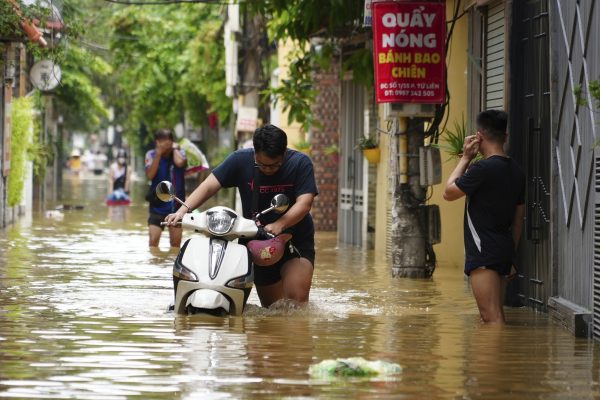
**Vietnam** was particularly hard-hit, suffering its most destructive storm in decades. The typhoon’s 149 kph winds battered the port city of Haiphong, a major export hub in the Red River Delta, causing significant damage to buildings and infrastructure. In Ha Long Bay, a popular tourist destination, over 20 tour boats sank and 2,250 aquaculture facilities were destroyed.
While coastal areas experienced extensive property damage, the mountainous northwest saw a higher number of fatalities. Flash floods wiped out the remote hamlet of Lang Nu, with one resident describing the terrifying experience of seeing “a huge amount of land coming towards me.”
**Laos and Thailand** also witnessed historic downpours, leading to widespread flooding. In northern Thailand, some areas suffered their worst flooding in 80 years, requiring the use of jet skis to rescue flood victims.
**Myanmar**, however, faced the highest death toll in the region, with 384 fatalities reported. Flash floods ravaged the Mandalay Region, and the capital Naypyidaw suffered unprecedented damage to its infrastructure. The military government’s request for foreign aid highlighted the severity of the humanitarian crisis, with estimates suggesting the casualty count could exceed 1,000.
Despite the destruction, the remnants of Typhoon Yagi brought “beneficial” showers to drought-prone states in **India**, marking a rare meteorological event and the end of an extraordinary journey from the Pacific Ocean to the foothills of the Himalayas.
The storm’s impact underscored the importance of robust disaster preparedness measures, as countries with better preparations were able to mitigate the damage. Yagi’s legacy serves as a stark reminder of the vulnerability of Southeast Asia to extreme weather events and the need for regional collaboration to address the growing threat posed by climate change.
 First Piper