
Mon Sep 23 23:11:24 UTC 2024: ## US Navy Rejects Smaller Carriers: A History of Supercarrier Dominance
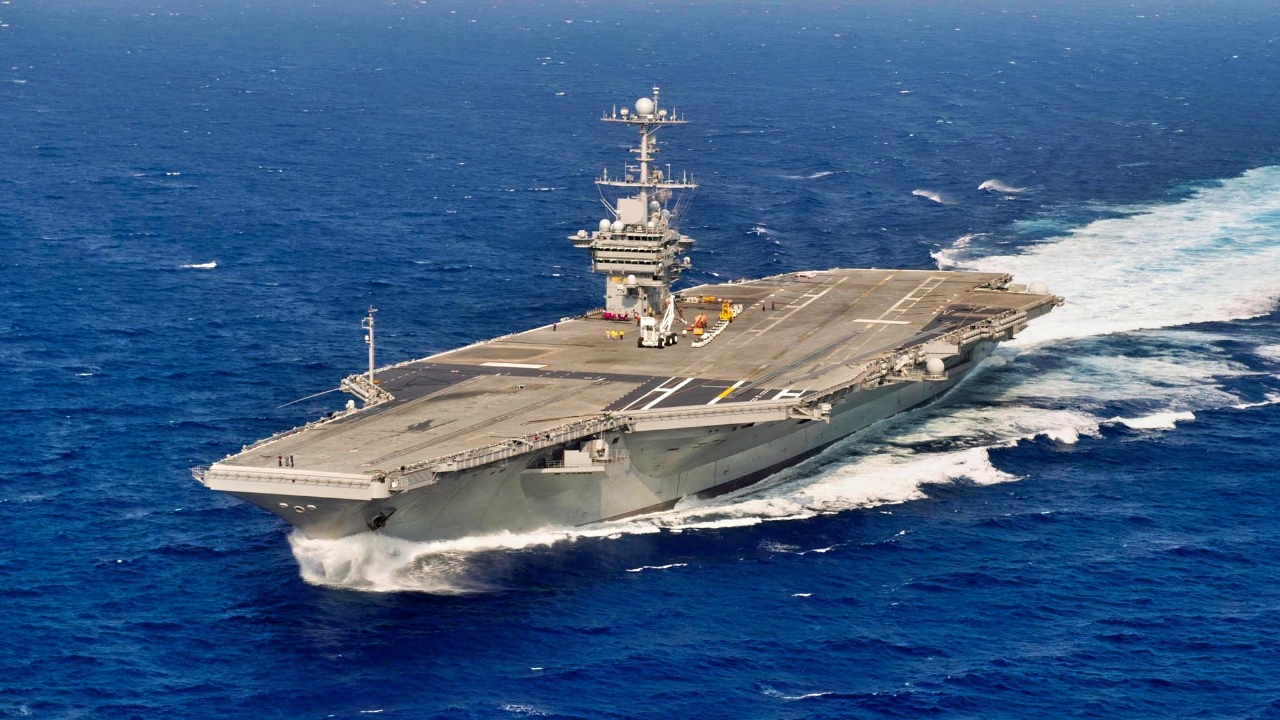
**Washington, D.C. -** The United States Navy has long been synonymous with its massive aircraft carriers, a global force that has become the hallmark of American naval power. While other nations deploy more conventionally-sized “medium” carriers, the US has remained committed to building supercarriers like the Nimitz and Gerald R. Ford classes.
The decision to focus solely on supercarriers dates back to the 1970s, when a program to build smaller, more cost-effective “medium” carriers was proposed. The Aircraft Carrier (Medium) (CVV) program, championed by Presidents Ford and Carter, aimed to complement the supercarrier fleet and enhance strategic flexibility.
However, the program faced several obstacles. Concerns about maintenance costs and manpower requirements led the Navy to favor the larger, more capable supercarriers. This shift was further solidified under President Reagan, who prioritized a robust defense budget, ultimately leading to the abandonment of the CVV program in favor of additional supercarriers.
While some experts argue that medium carriers could have offered cost savings and greater flexibility for day-to-day missions, others believe that the supercarrier strategy has proven its worth. They point to the significant logistical and maintenance burdens associated with smaller vessels and the limited tactical advantage they provide.
Despite the historical debate, the US Navy currently has no plans to integrate medium-sized carriers into its fleet. The supercarrier remains the undisputed cornerstone of American naval power, projecting force and securing global dominance. However, the debate over the optimal size and composition of the carrier fleet continues to simmer, fueled by evolving strategic considerations and ever-present budget constraints.
 First Piper