
Mon Sep 23 18:17:04 UTC 2024: ## Iran’s New President Signals Openness to Nuclear Deal Amidst Regional Tensions
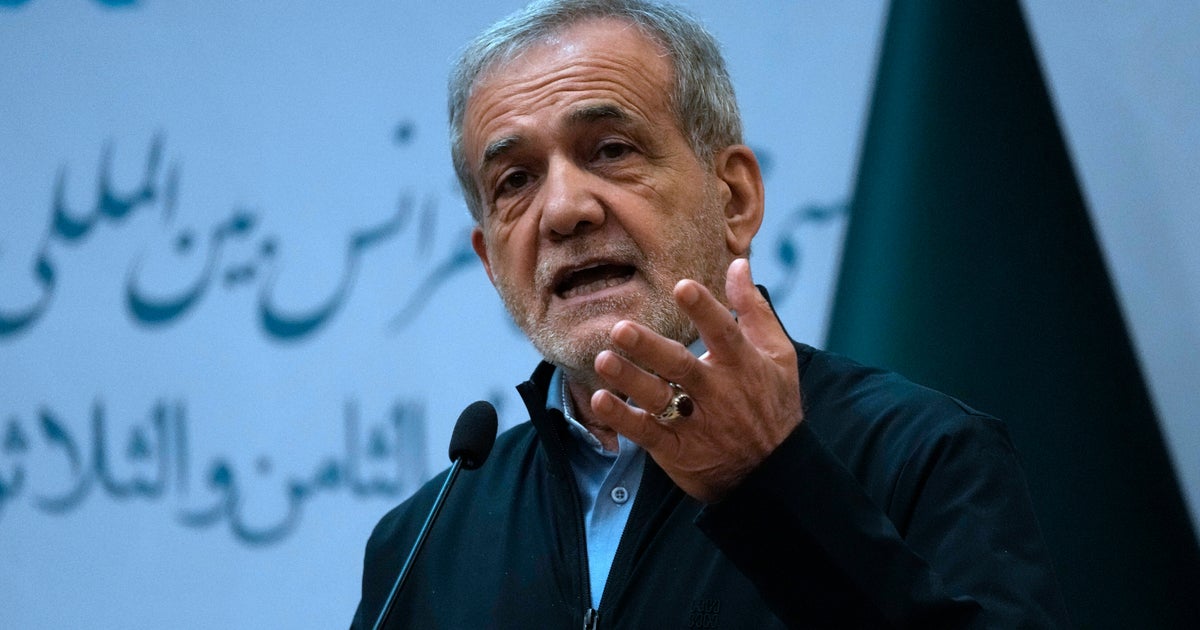
**UNITED NATIONS** – In his first major press engagement since assuming office, Iranian President Masoud Pezeshkian expressed openness to a new nuclear deal while condemning the U.S. for its support of Israel’s actions in the Middle East. Speaking to a select group of journalists at the United Nations General Assembly, Pezeshkian repeatedly stated Iran’s desire for stability and its commitment to not seeking conflict.
The comments come amidst escalating tensions in the region, with Israel and Iran-backed Hezbollah engaged in a tit-for-tat exchange of strikes following the recent conflict between Israel and Hamas. The situation has raised concerns of a wider regional conflagration.
Pezeshkian acknowledged the concerns surrounding Iran’s nuclear program and highlighted the country’s willingness to reach a new agreement, emphasizing that Iran did not leave the 2015 nuclear deal but was forced out by former President Donald Trump. However, he did not directly address whether talks are realistic during the current administration or the possibility of a Trump return hindering negotiations.
The Iranian president stressed the need for the U.S. to restore trust after Trump withdrew from the nuclear deal and imposed sanctions, claiming that the U.S. has repeatedly failed to uphold its commitments. He also highlighted the growing distrust within Iran’s leadership towards the U.S., citing the lack of trust in Washington’s promises and the potential influence of this distrust on Supreme Leader Ayatollah Ali Khamenei’s decision-making process.
Regarding the ongoing conflict, Pezeshkian accused Israel of laying “traps” to provoke a major war, referencing the recent assassination of Hamas leader Ismail Haniyeh in Iran. He stated that Iran will retaliate, but only at the appropriate time and place.
He also defended Iranian support for regional forces like Hezbollah, stating that Iran supports any group defending their rights, while downplaying the impression that Iran is orchestrating opposition to the U.S. and its allies. He denied sending missiles to Russia since taking office and clarified that Iran’s support for Russia in the Ukraine war is not an endorsement of Russian aggression.
Analysts believe that the renewed openness to a nuclear deal could pave the way for a less-comprehensive agreement following the U.S. election, with a focus on securing greater Iranian cooperation with the International Atomic Energy Agency and potentially easing sanctions in exchange for a commitment to transparency.
The situation remains fluid, with the expiration date of the “snapback” mechanism for restoring U.N. sanctions on Iran looming in 2025. The potential for a broader regional conflict remains a significant concern, adding further complexity to the delicate dance of diplomacy amidst escalating tensions.
 First Piper