
Mon Sep 23 22:08:22 UTC 2024: ## Hydrogen-Centered Mechanism Found to Cause Degradation in Electric Vehicle Batteries
**Argonne National Laboratory, IL** – Scientists have uncovered a new mechanism that explains how lithium-ion batteries, crucial for powering electric vehicles, degrade over time. The research, published in the journal *Science*, reveals a hydrogen-centered process called “cathode hydrogenation,” which contributes to the phenomenon of “self-discharge.” This discovery could lead to advancements in battery design and significantly extend the life of electric car batteries.
Self-discharge occurs when a battery loses energy even when not in use. This is a common problem in all rechargeable batteries, but it significantly impacts the lifespan of EV batteries. Scientists have long debated what causes this degradation, with the prevailing theories focusing on lithium loss or oxygen release from the cathode.
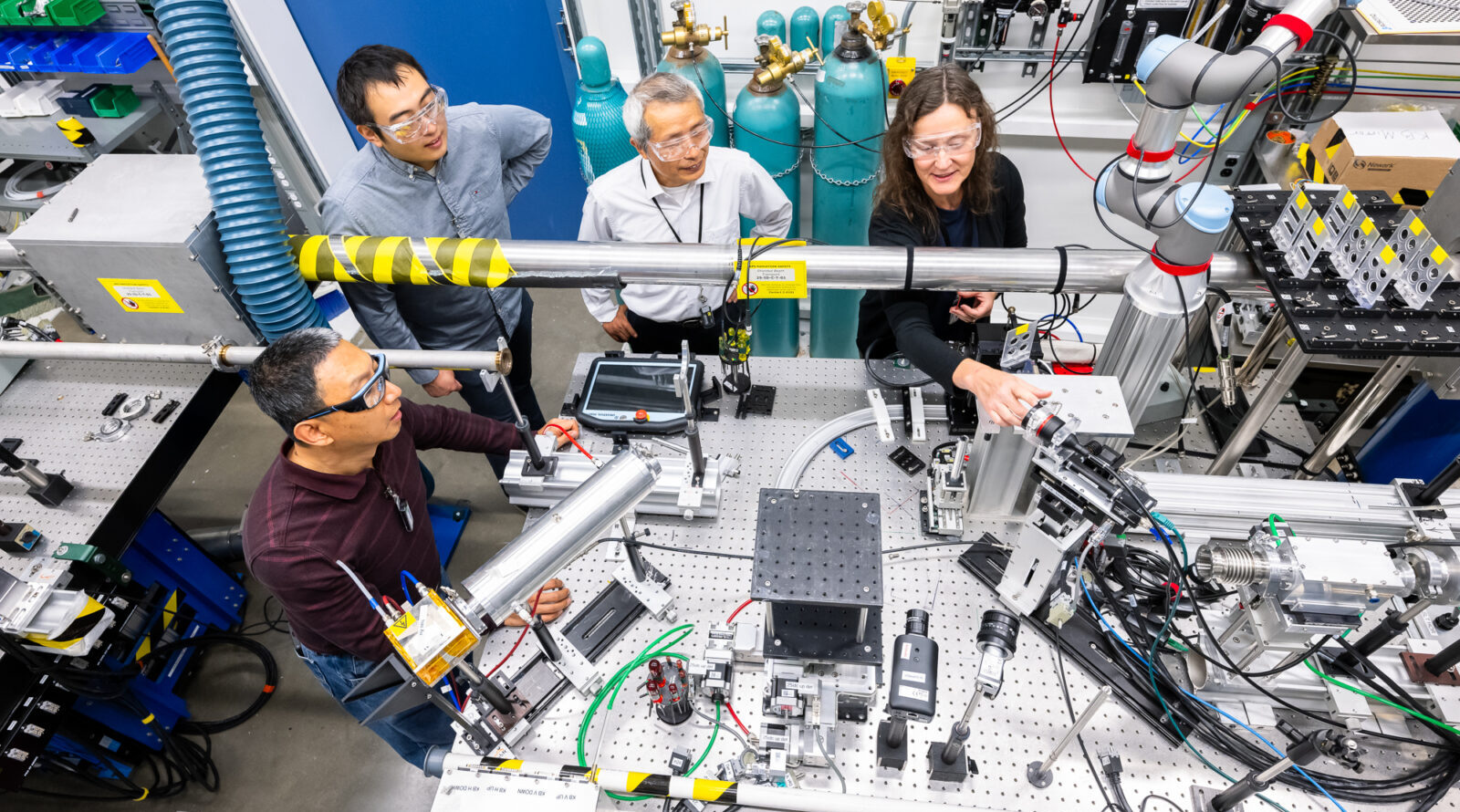
The new research, a collaboration between Argonne National Laboratory, Stanford University, the U.S. Army Research Laboratory, and SLAC National Accelerator Laboratory, used advanced X-ray techniques at Argonne’s Advanced Photon Source to study the process at the atomic level.
Their findings revealed that hydrogen ions from the electrolyte migrate to the cathode, a crucial component in battery energy storage, causing the cathode to degrade. This hydrogenation process leads to the formation of undesirable side products on the cathode surface, contributing to self-discharge and reducing the battery’s overall lifespan.
“We are deeply grateful to the state-of-art X-ray facilities and support available at the Advanced Photon Source,” said lead author Gang Wan of Stanford University. “It is the ideal pairing of the X-ray studies and electrochemistry that enables our discoveries on how cathode hydrogenation occurs in lithium-ion batteries and impacts self-discharge.”
This discovery is a significant step toward understanding battery degradation, which could lead to the development of batteries with longer life and higher performance. Scientists believe that by mitigating self-discharge, they can create smaller, lighter, and cheaper batteries without compromising performance.
The research team is now working on developing strategies to prevent cathode hydrogenation and minimize self-discharge. The advancements made in this study provide hope for a future where electric vehicles can offer longer range and greater longevity, contributing to the transition away from fossil fuel-powered cars.
 First Piper