
Mon Sep 23 21:28:11 UTC 2024: ## Robot Wingmen Take Flight: Air Force Unveils Collaborative Combat Aircraft at Conference
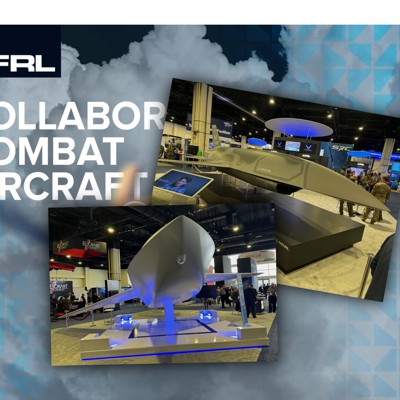
**Washington, D.C.** – The future of air warfare is taking shape with the debut of full-scale mockups of collaborative combat aircraft (CCAs) at the Air, Space & Cyber conference. These autonomous drones, designed to fight alongside fighter jets, are a key part of the Air Force’s vision for future air superiority.
Two companies, Anduril Industries and General Atomics, were awarded development contracts earlier this year after beating out defense giants Lockheed Martin, Northrop Grumman, and Boeing. The Air Force hopes to see flying prototypes as early as next year and will decide in 2026 whether to build one or both of the companies’ designs as “increment one,” the first tranche of CCAs.
Anduril’s offering is the Fury drone, while General Atomics is presenting a version of its Gambit family of aircraft. The two designs differ in size and stealth capabilities, with the Fury potentially being less stealthy than the Gambit.
The first CCAs will primarily function as missile trucks, carrying air-to-air missiles for manned fighters. Future iterations, however, will incorporate additional missions like electronic attack, resilient sensing, and different types of weapons, along with potential for independent takeoff and landing capabilities.
A key consideration in the development of these drones is survivability while maintaining affordability. The Air Force aims to keep costs under $30 million, about one-third the cost of an F-35, while ensuring the drones can reach their target and deliver their payloads.
Lockheed Martin, whose design was not selected for the first tranche, argued that non-stealthy designs are unlikely to survive combat, making them a costly investment. They are now proposing a more expendable design at a lower price point for the second tranche.
The Air Force, however, remains confident in the survivability of their chosen designs and is focusing on developing a robust sustainment pipeline that can operate in combat zones without relying on long supply chains.
Virtual testing is already underway to assess how the drones will integrate with manned fighters. An experimental operations unit will be set up at Nellis Air Force Base, Nevada, and the CCAs will be incorporated into the Joint Simulation Environment, a next-generation flight simulator.
The first CCAs are expected to be delivered to Creech Air Force Base, known for its drone operations, where further testing will take place. As the Air Force moves towards deploying these robotic wingmen, the future of air warfare is poised to enter a new era.
 First Piper