
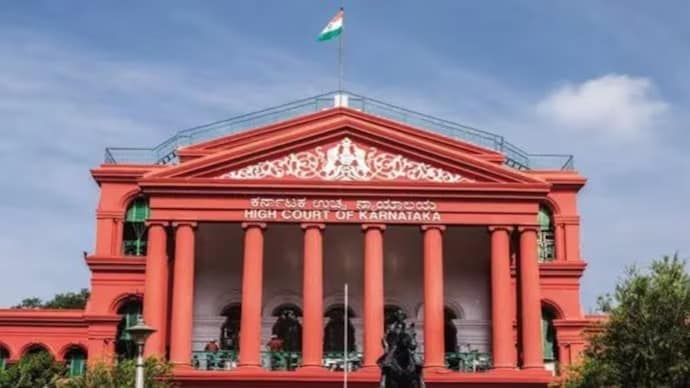
Tue Sep 24 09:52:18 UTC 2024: ## Karnataka High Court Bans Public Sharing of Live-Streamed Proceedings
**Bengaluru, India:** In a move aimed at curbing the misuse of live-streamed court proceedings, the Karnataka High Court has banned the public from sharing or uploading videos of court proceedings on social media. This decision follows the recent controversy surrounding viral clips featuring Justice V Srishananda making controversial remarks.
The court issued the order after the Advocates’ Association of Bengaluru filed a petition expressing concern over the editing, morphing, and illegal use of live-streamed footage. The petition also sought the removal of any videos or reels created using footage from the court’s live-streams from platforms like YouTube, Facebook, and X.
Justice Hemant Chandangoudar, who heard the case, directed social media platforms and individuals to remove any videos already uploaded in violation of court rules. While acknowledging the potential impact on lawyers’ morale, the judge stressed that the solution was not to stop live-streaming but to address misuse through established complaints mechanisms.
The controversy arose after two video clips featuring Justice Srishananda went viral. In one clip, he referred to a Muslim-majority neighborhood in West Bengaluru as “Pakistan,” while in another, he made a gender-insensitive comment towards a woman lawyer. These remarks sparked widespread criticism and prompted the Advocates’ Association to request the suspension of live-streaming until clear guidelines on courtroom conduct are established.
The Supreme Court also took notice of the controversy and requested a report from the Karnataka High Court Registrar General. Justice Srishananda later expressed regret for his comments.
The High Court’s decision emphasizes the need for responsible use of live-streaming technology while upholding the sanctity of court proceedings. The court believes that existing mechanisms can effectively address misuse, thereby ensuring transparency without compromising the integrity of the judicial process.
 First Piper