
Mon Sep 23 14:42:42 UTC 2024: ## Hate Crime Hearing Descends into Partisan Bickering, Exposing Deep Divisions in US Politics
**Washington, DC** – A Senate Judiciary Committee hearing aimed at tackling the rise of hate crimes in America instead devolved into a heated and unproductive exchange, revealing the deep partisan divisions plaguing the nation. The hearing, titled “A Threat to Justice Everywhere: Stemming the Tide of Hate Crimes in America”, was intended to examine the alarming increase in hate crimes and propose a comprehensive government strategy to address the issue.
The hearing featured expert witnesses, including Kenneth Stern, Director of the Bard Center for the Study of Hate; Maya Berry, Co-chair of the Hate Crimes Task Force at the Leadership Conference on Civil and Human Rights (LCCHR) and Executive Director of the Arab American Institute; and Rabbi Mark Goldfeder, Director of the National Jewish Advocacy Center. While Democrats invited Stern and Berry, Republicans selected Goldfeder.
The hearing was marred by partisan bickering from the outset. Republicans, seemingly focused on a narrow definition of antisemitism, dismissed the hearing’s broader focus on hate crimes impacting all vulnerable communities. They criticized Stern, despite his past contributions to combating antisemitism, for his recent critiques of how the International Holocaust Remembrance Alliance (IHRA) definition has been used.
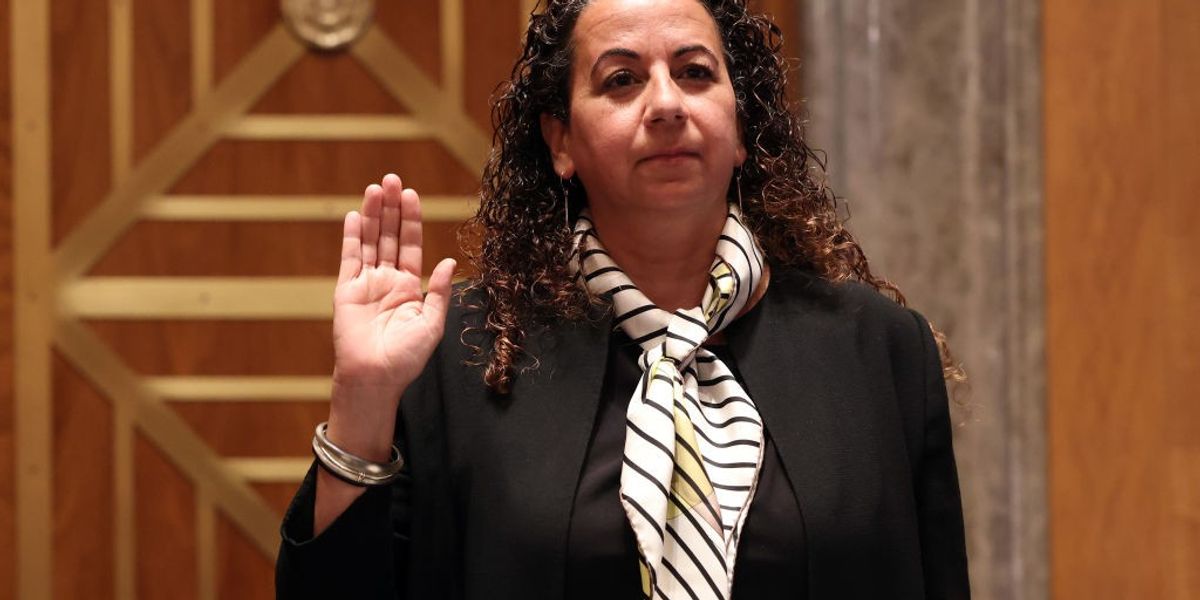
Berry, a leading expert on hate crime data and advocate for improved reporting, found herself the target of Republican attacks. Her expertise and advocacy for all communities were seemingly disregarded as she faced accusations based on her Arab American heritage and her criticism of Israeli policies.
Democrats, on the other hand, argued for a holistic approach, emphasizing the rising tide of hate crimes across various groups, including Black, Latino, Asian, Arab, Jewish, Muslim, LGBTQ, and people with disabilities. Berry presented compelling statistics on the increase in hate crimes and outlined recommendations for improving reporting and enforcement of existing hate crime legislation.
The hearing ultimately descended into a spectacle of partisan grandstanding. Republican senators engaged in inflammatory rhetoric, accusing US students protesting the Israeli-Palestinian conflict of being funded by Hamas, Hezbollah, and Iran. They relentlessly pressured Berry to denounce Hamas and agree with their interpretation of certain phrases as calls for genocide against Jews.
The unproductive nature of the hearing left the audience, largely composed of Arab and Jewish Americans, feeling disillusioned and frustrated. Instead of gaining a deeper understanding of the rise of hate and the urgency of combating it, they witnessed a stark demonstration of the partisan gridlock paralyzing the nation.
The hearing tragically highlighted a chasm between those who seek to understand and address the problem of hate and those who seem more interested in exploiting it for political gain. As Berry aptly stated, the hearing served as a “regrettable disappointment” and a stark “indication of the danger to our democratic institutions.”
 First Piper