
Sun Sep 15 17:46:42 UTC 2024: ## Climate Change’s Silent Killer: Everyday Impacts We Overlook
**By Steve Hanley**
While the world focuses on the dramatic consequences of climate change, like melting glaciers and rising sea levels, a new wave of research highlights the less obvious, yet equally devastating, everyday impacts on human health, education, and even crime rates.
**From Placentas to Ladders: The Subtle Toll of Climate Change**
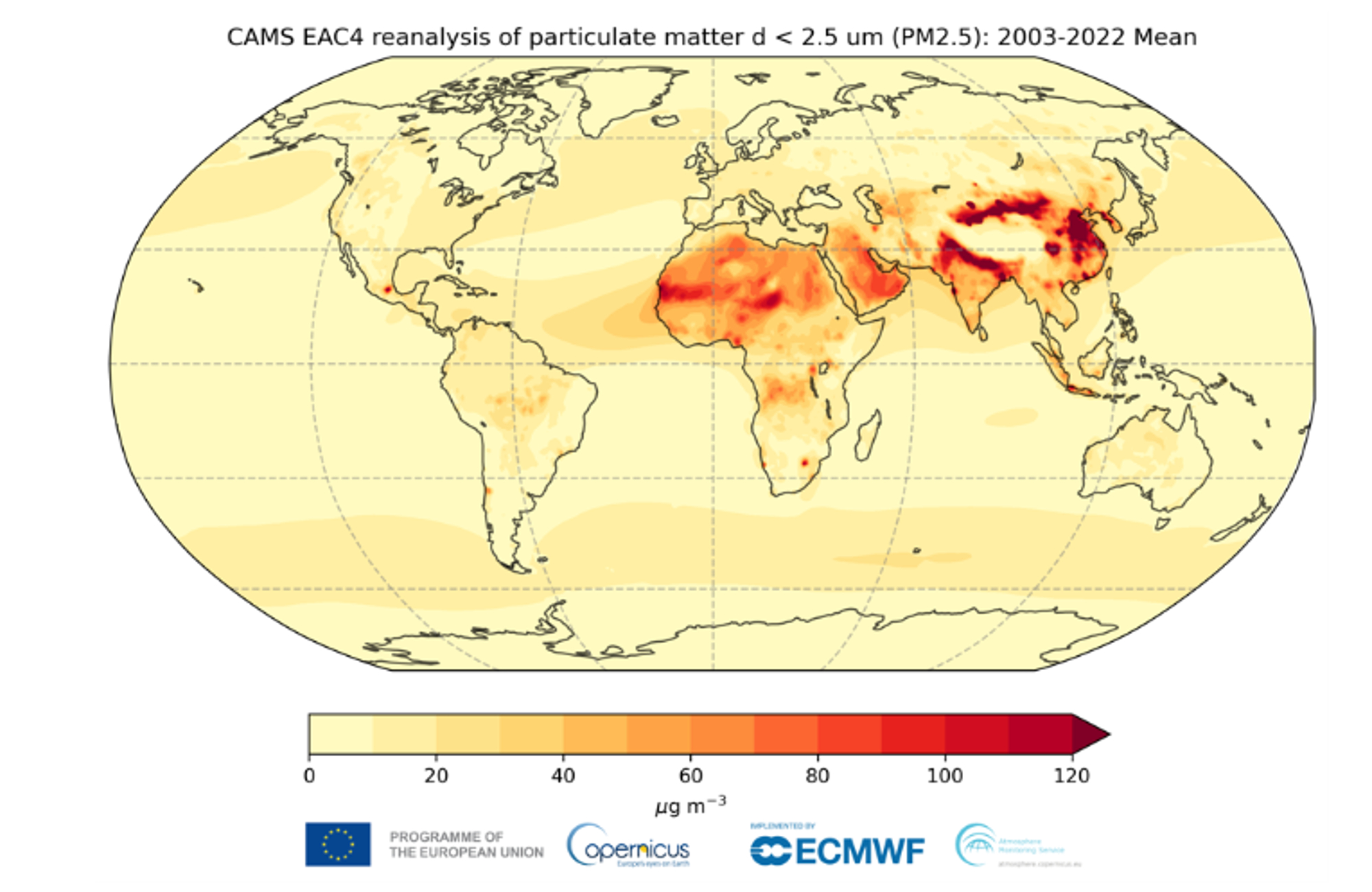
Recent studies reveal that the harmful effects of climate change extend beyond the expected. Fine particulates, emitted by fossil fuel burning, are being detected in the placentas of pregnant women, impacting fetal development. Even on a mundane level, warmer temperatures are causing an increase in ladder-related accidents, suicide rates, and crime, while simultaneously hindering student learning and performance.
**Ignoring the Silent Suffering**
The focus on apocalyptic scenarios has diverted attention from these everyday consequences. Economist R. Jisung Park emphasizes the overlooked impact on education, highlighting that hotter temperatures could reduce student learning by 10% annually, particularly affecting Black and Latino students. The link between wildfire smoke and increased mortality is often obscured, mistakenly attributed to other causes.
**The Need for a Shift in Focus**
Experts like Nicholas Kristof and Steve Hanley argue that the “climate catastrophe framing” may be misleading, neglecting the real, everyday harm caused by warming temperatures. The focus should be on holding polluters accountable for the pollution they generate, regardless of the specific source – be it fossil fuels or other harmful emissions.
**A Call for Action**
The author urges readers to vote wisely and elect leaders who prioritize environmental protection over political gain. He emphasizes that our survival depends on addressing pollution and holding polluters accountable for the damage they inflict on our planet. It’s time to move beyond the rhetoric of the “climate catastrophe” and focus on the everyday consequences of climate change that are impacting our lives now.
 First Piper