
Sun Sep 15 10:00:00 UTC 2024: ## Pandemic Lessons: A Former NIH Director Reflects on Trust, Science, and the Cost of Disinformation
**Washington, D.C.** – In his new book, “The Road to Wisdom,” former National Institutes of Health (NIH) Director Francis S. Collins reflects on the profound lessons learned during the COVID-19 pandemic, highlighting the erosion of trust in science and the dire consequences of misinformation.
Collins, a physician and geneticist, details the unprecedented efforts to develop vaccines and treatments in record time. He acknowledges the significant successes, such as the development of vaccines in just 11 months, which prevented millions of hospitalizations and deaths. However, he also paints a stark picture of the pandemic’s impact on public trust, particularly in the early months when fear and uncertainty were rampant.
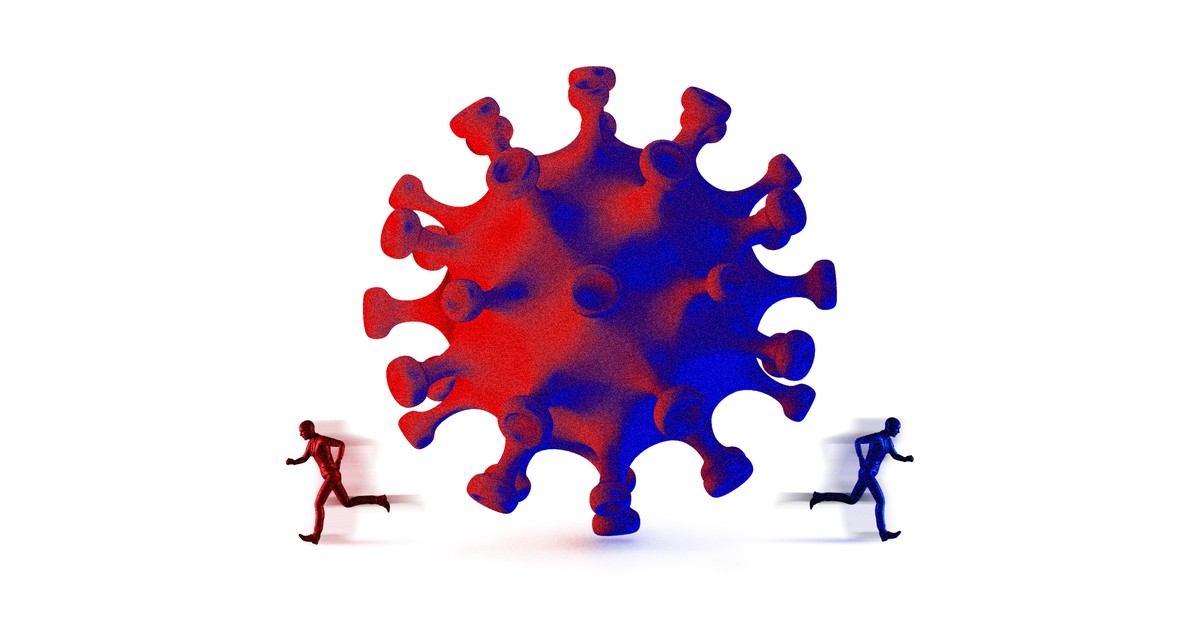
The initial public health measures aimed at “flattening the curve,” including school closures and business restrictions, while effective in reducing transmission, also contributed to a sense of unease and division. Collins argues that the mixed messaging from government officials, particularly the former president’s downplaying of the virus and promotion of unproven treatments, further fueled mistrust.
The emergence of misinformation and conspiracy theories, especially on social media, also played a significant role in shaping public opinion. Collins notes that the lack of clarity in communication from scientists and public health officials contributed to the spread of false claims, leading to vaccine hesitancy and avoidable deaths.
Collins goes on to emphasize the critical role of faith communities and political affiliations in exacerbating vaccine hesitancy, leading to a higher mortality rate among certain demographics. He acknowledges the mistakes made by scientists in their communication, calling for a more transparent and nuanced approach to conveying scientific information, emphasizing the evolving nature of scientific knowledge and the need for honest acknowledgement of uncertainties.
“We urgently need to learn from what happened here,” Collins writes. “The pandemic should have energized and unified us, but instead, it tore us apart.”
He concludes by advocating for a renewed commitment to truth, science, faith, and trust, arguing that these values are essential not only for navigating future pandemics but also for addressing other critical challenges facing humanity, such as climate change and democratic backsliding.
“To give up on them would be to give up on humanity’s potential,” Collins writes. “To fight for them would be not just to fight against divisiveness and ignorance, but to fight for a brighter future for us all.”
 First Piper