
Sun Sep 15 11:00:00 UTC 2024: ## Harvard Astrophysicist Bets on Ocean Debris and Space Trash to Find Alien Life
Harvard astrophysicist Avi Loeb is taking a radical approach to the search for extraterrestrial intelligence, arguing that the traditional hunt for radio signals has overlooked a wealth of potential evidence right here in our solar system. Instead of listening for alien messages, Loeb believes we should be looking for physical evidence of alien technology, potentially in the form of debris from interstellar objects or remnants of ancient civilizations.
Loeb’s recent expedition to the Pacific Ocean, where he and his team dredged up tiny metal spheres thought to be remnants of an interstellar meteor, is just one example of his unconventional approach. While some in the scientific community have criticized his methods, Loeb remains undeterred, arguing that the potential rewards of finding alien artifacts outweigh the risk of skepticism.
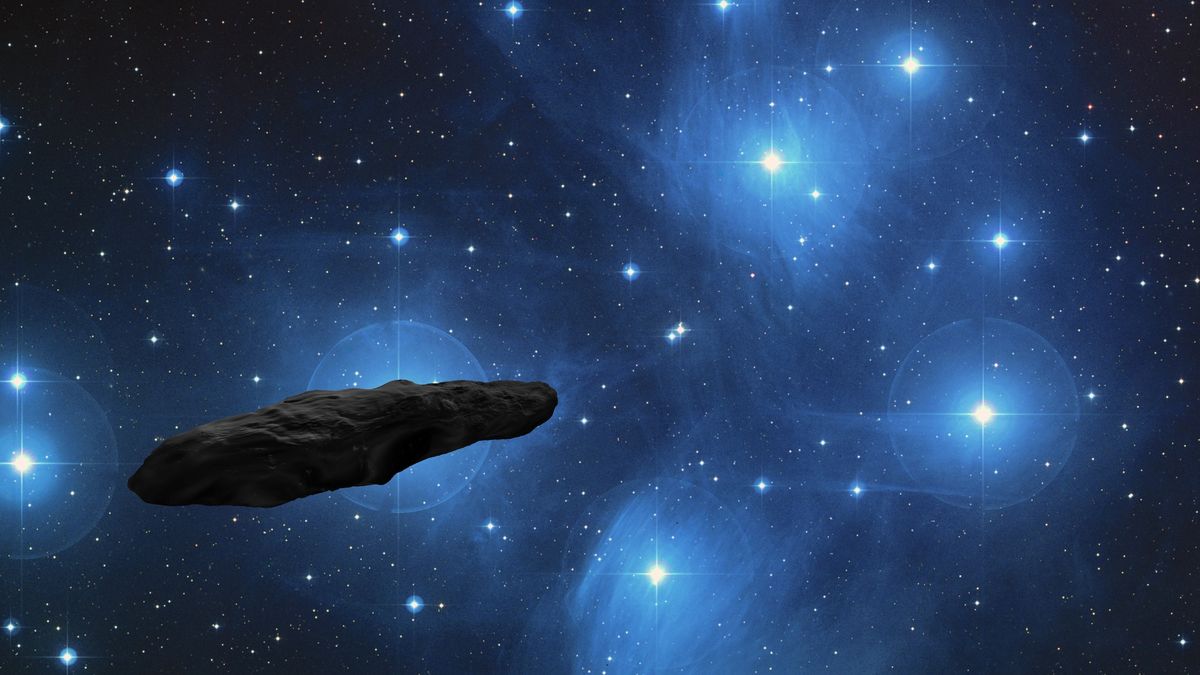
Loeb is not content with just studying ocean debris. He also advocates for a more comprehensive search for interstellar objects, many of which are smaller than a meter in size and currently undetectable by existing telescopes. He believes that these objects could hold the key to understanding alien technology, be it space trash or functional devices. He hopes that future telescopes like the Vera C. Rubin Observatory will help identify these objects.
Loeb is confident that we are on the verge of a breakthrough in the search for alien life. He believes that the unconventional approach of searching for physical evidence of alien technology, particularly through the study of interstellar objects, offers a more promising path than the traditional search for radio signals. With upcoming expeditions to the Pacific Ocean and a growing number of researchers focused on the study of interstellar objects, Loeb is optimistic that we may soon discover evidence of alien civilizations, and perhaps even unlock the secrets of their advanced technologies.
 First Piper