
Thu Sep 12 18:56:00 UTC 2024: ## Sri Lanka’s Presidential Election: A Nation at a Crossroads
**Colombo, Sri Lanka** – Sri Lanka’s upcoming presidential election, scheduled for [date], presents a critical juncture for the nation. As the country navigates an unprecedented economic crisis, voters are faced with a complex choice among a field of candidates, each with their own baggage and promises for the future.
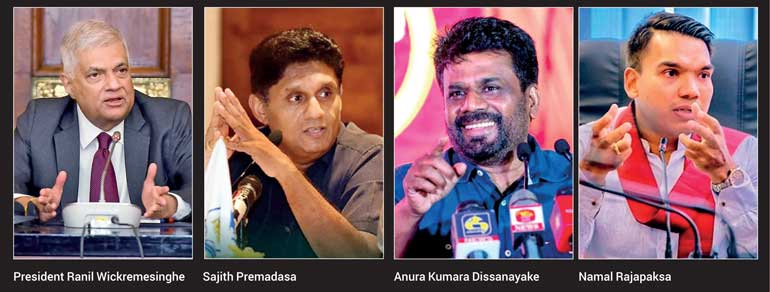
The top contenders include **Ranil Wickremesinghe**, the incumbent President, whose long political career has been marked by both achievements and controversies. His past association with the Rajapaksa family, who are largely blamed for the current economic crisis, could cost him votes. **Sajith Premadasa**, the leader of the opposition, presents himself as a viable alternative, boasting a strong economic team and a focus on national recovery. However, concerns remain regarding his ability to maintain his previous support base and his past association with certain individuals.
**Anura Kumara Dissanayake** stands as a symbol of change, promising a clean break from the corrupt political establishment. His team boasts strong credentials but faces challenges due to limited public sector and international experience. **Namal Rajapaksa**, the youngest son of former President Mahinda Rajapaksa, is making his political debut, drawing comparisons to figures like Bongbong Marcos. His lack of experience and skills pose a major challenge, and many believe he is unlikely to secure the top position.
Other candidates, like business magnate **Dilith Jayaweera**, are seen as potential disruptors. His connections to former President Gotabaya Rajapaksa and his history of self-serving behavior during the COVID-19 pandemic raise concerns among voters.
The election is likely to be a close race, with no single candidate expected to secure a majority in the first round. The final outcome will hinge on voters’ second and third preferences, introducing an element of uncertainty into the results.
**A Call for Objectivity and Unity**
This election calls for a nuanced and objective approach from voters. While emotions may run high, it is crucial to make decisions based on candidates’ capabilities and their potential to address the country’s pressing challenges. A unified approach, with collaboration between the winning parties, is paramount to tackling the crisis.
The author of this article advocates for a new political culture where the highest vote-getter becomes President and the runner-up assumes the role of Prime Minister, fostering cooperation between their respective teams. This, they argue, would allow for a shared vision and a more effective response to the country’s multifaceted challenges.
Sri Lanka’s future hangs in the balance. The outcome of this election will determine whether the nation can emerge from its current crisis or succumb to further instability. The call for objectivity and unity is a beacon of hope in a time of uncertainty and despair.
 First Piper