
Thu Sep 12 00:16:50 UTC 2024: ## Nvidia CEO Reassures Investors on Blackwell GPU Delays, AI ROI
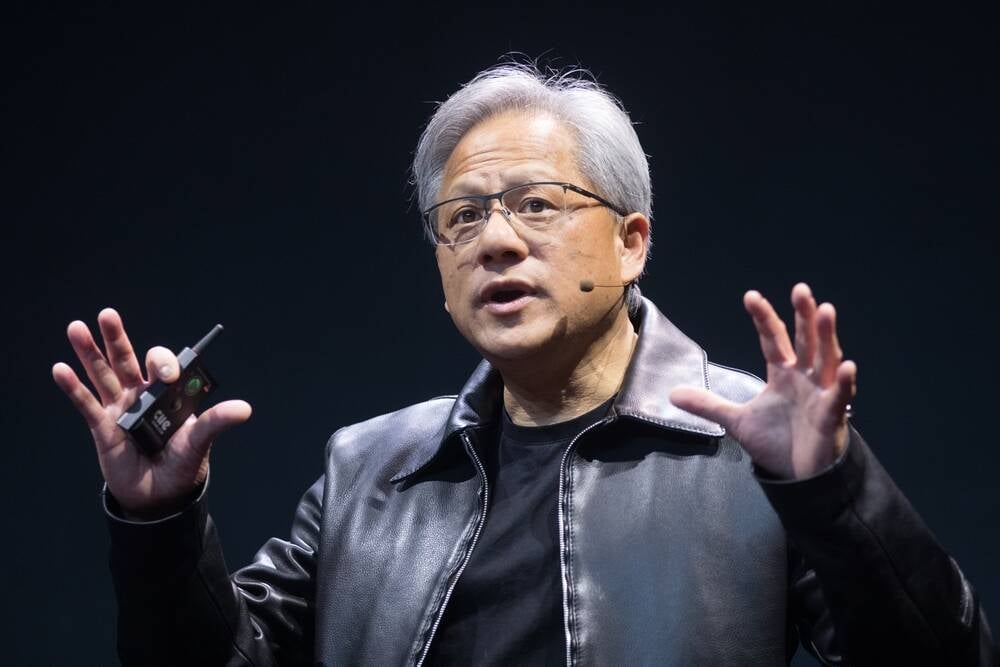
**Santa Clara, CA** – Nvidia CEO Jensen Huang has moved to calm investor concerns regarding the delayed release of the Blackwell GPU architecture and questions about the return on investment (ROI) for AI investments.
Huang, speaking at the Goldman Sachs Tech Conference on Wednesday, acknowledged the intense demand for Nvidia’s components and technology, which directly impacts customer revenues and competitiveness. While acknowledging a manufacturing defect leading to a mask change, he reiterated that Blackwell chips are in full production and will begin shipping in Q4 2024.
The Blackwell architecture, unveiled at Nvidia’s GTC conference earlier this year, promises significant performance gains and increased memory capacity compared to its predecessor, the H100. Despite Huang’s reassurance, reports of delays and other factors, including a potential DOJ subpoena and a patent suit from DPU vendor Xockets, have caused fluctuations in Nvidia’s stock price.
Huang attributed the heightened demand for Blackwell to the surging popularity of generative AI, exceeding even that of the previous generation Hopper products. He emphasized that while the upfront cost of GPU systems may be high, the performance gains far outweigh the expense. Using the example of the Spark data processing engine, Huang claimed acceleration can lead to a 20:1 speed-up, resulting in a 10x savings even with doubled infrastructure costs.
Furthermore, Huang highlighted the strong ROI associated with generative AI, stating that every dollar spent by service providers on Nvidia’s technology translates to $5 in revenue.
He also addressed concerns about the ROI on AI applications and services, emphasizing Nvidia’s use of custom AI code assistants and the application of generative AI in computer graphics, citing its DLSS technology.
While acknowledging the high cost of AI hardware, Huang suggested that smarter datacenter design, such as Nvidia’s modular SuperPODs, could drive down costs. He emphasized the need for denser, liquid-cooled datacenters to address the heat generated by high-performance systems.
Nvidia’s Blackwell architecture is designed for liquid cooling, aligning with Huang’s vision for more efficient datacenter design. The company’s success in driving this datacenter modernization remains to be seen. However, Huang’s statements offer a glimpse into Nvidia’s strategy for navigating the complexities of the AI landscape and addressing investor concerns regarding its technology and its impact on the future of computing.
 First Piper