
Mon Sep 09 14:56:35 UTC 2024: ## Air Force Reconsiders Costly NGAD Program, Eyes F-22 Upgrade with Drones Instead
**WASHINGTON D.C.** – The U.S. Air Force is taking a hard look at its ambitious Next Generation Air Dominance (NGAD) program, a potential sixth-generation fighter jet, and may be shifting gears toward a more practical approach. This comes amidst growing concerns about the program’s cost and complexity, coupled with the U.S.’s looming debt crisis.
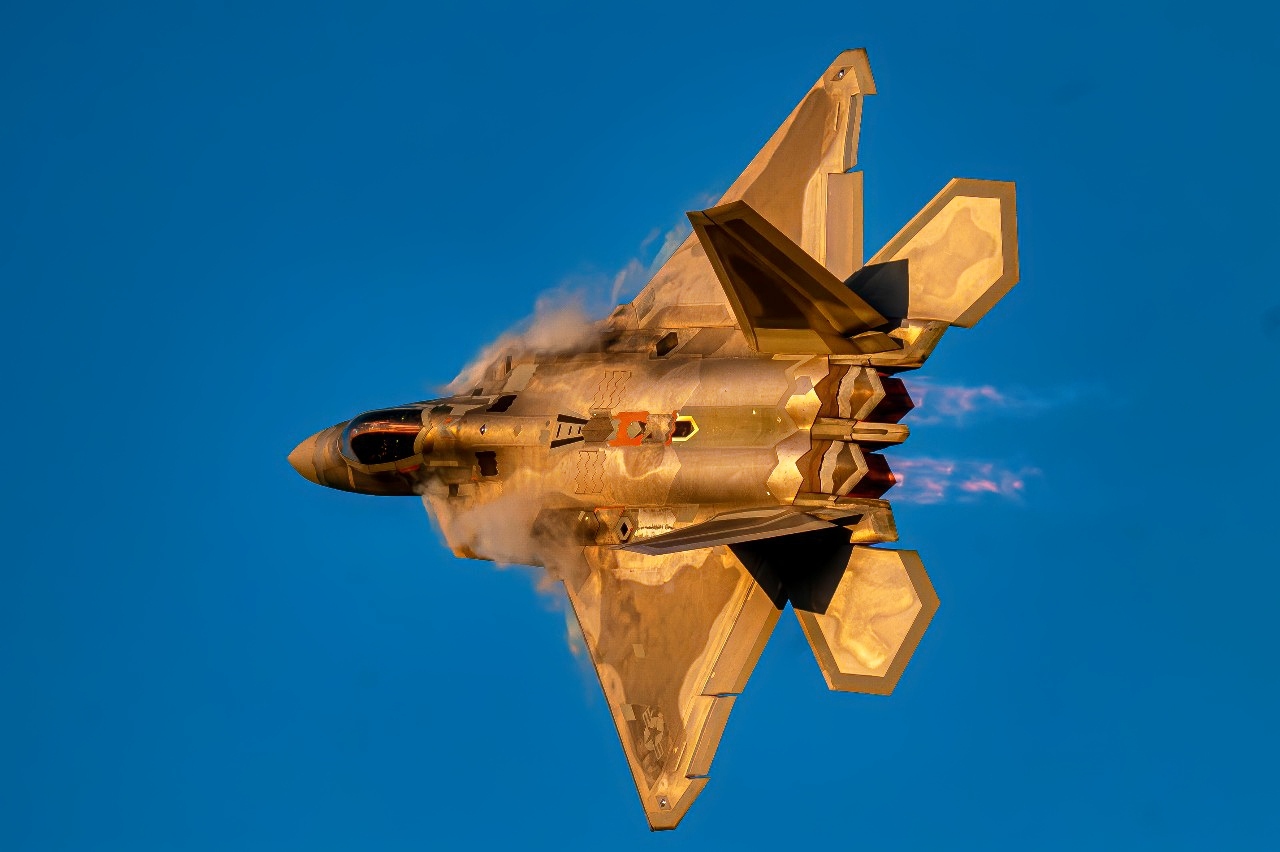
Air Force Secretary Frank Kendall has expressed reservations about the NGAD, suggesting that the existing F-22 Raptor fleet, currently one of the world’s most advanced warplanes, could be upgraded with drone technology, known as “loyal wingmen,” to enhance its combat capabilities.
This alternative approach, Kendall argues, would be significantly more cost-effective than developing a completely new aircraft like the NGAD.
“We are taking another look at the [Next Generation Air Dominance, or NGAD] platform itself, and before we make the commitment that we’re close to making, we want to make sure we get the right design concept here,” Kendall stated at the Royal International Air Tattoo show in July.
The F-22 remains superior to competitors like China’s J-20, which, while mass-producible, is untested and likely less capable.
The proposed NGAD’s unique feature is its ability to integrate with advanced Collaborative Combat Aircraft (CCA) drones, which function as “loyal wingmen” and can be deployed in swarms to enhance combat lethality.
These drones are seen as a relatively affordable way to boost the F-22’s capabilities, and are being developed with advanced artificial intelligence systems that aim to make them operate as if piloted by humans.
“Kendall is right to embrace this reality check that his service simply cannot afford the much-ballyhooed NGAD plane,” stated Brandon J. Weichert, a national security analyst. “The Air Force should instead work to adapt the existing F-22 fleet with the capability to launch advanced drones to serve as loyal wingmen.”
The move away from the NGAD represents a significant shift in the Air Force’s thinking and reflects the growing pressure to prioritize cost-effectiveness and maintain America’s technological edge amidst budgetary constraints.
 First Piper